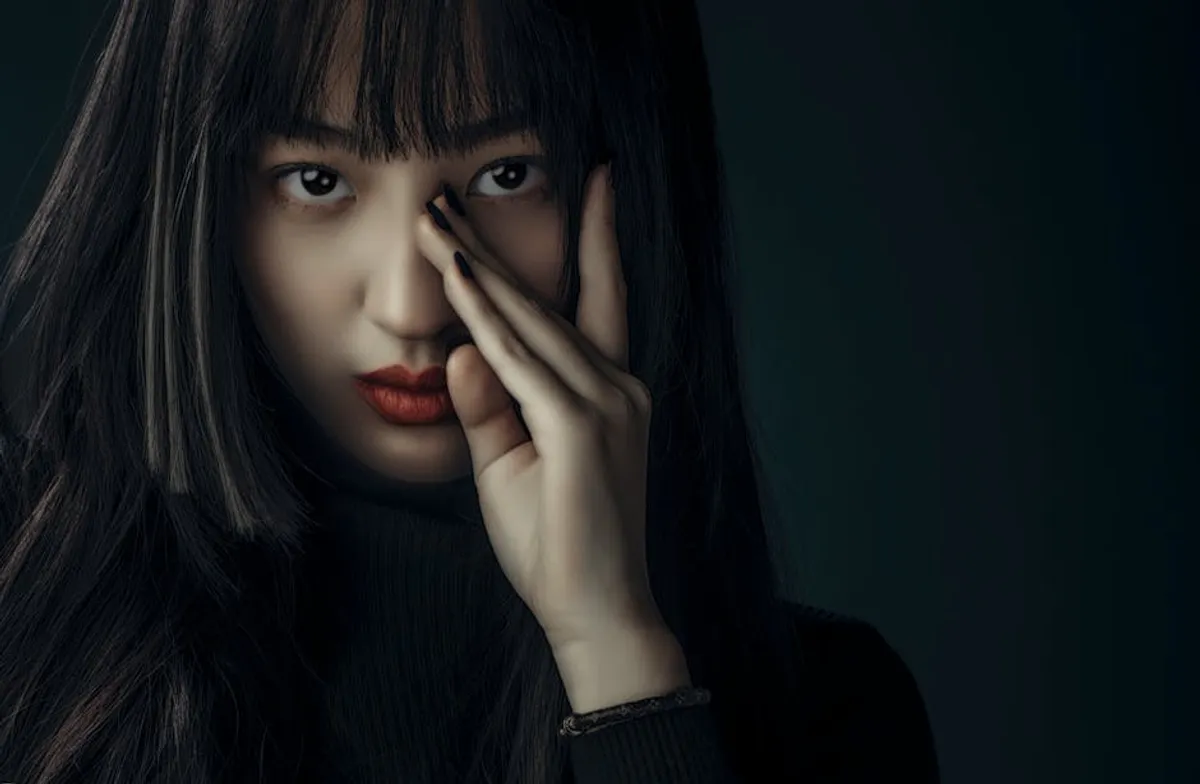
Selecting the right bang style can significantly alter facial perception, emphasizing or softening features based on cut, length, and texture. The decision extends beyond aesthetic preference; it requires a practical assessment of face shape, hair type, and daily maintenance commitment. An ill-suited bang can disrupt facial harmony, while a well-chosen style enhances natural contours and personal expression. This guide details various bang styles, aligning them with specific face shapes and practical considerations to inform a precise selection.
What to Consider When Choosing Bangs
Before committing to a bang style, evaluate several factors that influence both appearance and upkeep. Face shape is primary, as bangs can either balance or exaggerate existing proportions. Hair texture—straight, wavy, curly, fine, or thick—dictates how a bang will lay and behave, impacting styling effort. Lifestyle also plays a role; high-maintenance bangs require daily styling, which may not suit every routine. Finally, consider your desired aesthetic outcome: do you aim to soften strong angles, add volume, create a focal point, or simply refresh an existing cut?
1. Curtain Bangs
Curtain bangs are characterized by their longer length, parting down the middle, and sweeping outwards to frame the face on both sides. This style typically hits around the cheekbones or jawline, offering a soft, feathery look that blends seamlessly into the rest of the hair. Their versatility allows for growth without awkward stages, making them a popular choice for those seeking a low-commitment fringe.
Best for: Oval, Round, Square, Heart, and Long face shapes. They soften strong jawlines and foreheads, while adding width to narrow faces and shortening long ones.
Pros: Highly adaptable to various hair textures; low maintenance compared to blunt bangs; grow out gracefully; create a flattering frame for the face; can be styled in multiple ways (parted, swept back, or as full bangs).
Cons: May require frequent trimming to maintain optimal length for face framing; can look greasy quickly if hair is fine or prone to oiliness; less impactful for those seeking a dramatic, bold change.
Verdict: An excellent entry-level bang style, offering significant aesthetic impact with minimal styling demands, particularly effective at softening angular features and adding a touch of elegance.
2. Wispy Bangs
Wispy bangs are light, sparse, and often slightly textured, designed to fall delicately across the forehead without heavy density. They are cut with varying lengths and often thinned out at the ends, creating a soft, ethereal appearance that doesn't overwhelm the face. This style provides the illusion of bangs without the commitment of a full, heavy fringe.
Best for: Oval, Round, Heart, and Square face shapes. They soften a broad forehead or strong jawline without adding bulk, and can subtly narrow a round face.
Pros: Require less hair than other bang styles, making them suitable for finer hair; offer a softer introduction to bangs; easy to sweep aside or pin back; provide a youthful, airy aesthetic; minimal daily styling.
Cons: May appear too thin or sparse on very thick hair; can easily get lost or pushed aside by wind; less impactful for those desiring a defined, structured bang line.
Verdict: Ideal for individuals seeking a subtle facial frame and a light, romantic touch, especially beneficial for those with finer hair or a preference for low-maintenance styling.
3. Blunt Bangs
Blunt bangs are cut straight across the forehead, typically ending just above or at the eyebrows, creating a strong, solid line. This style is characterized by its uniform length and density, providing a bold, graphic statement. It draws immediate attention to the eyes and is often associated with a chic, sophisticated, or edgy aesthetic.
Best for: Oval and Long face shapes, as they can shorten the appearance of a high forehead and balance elongated features. Can work for Heart-shaped faces if styled with slight layering at the temples.
Pros: Create a striking, fashion-forward look; emphasize the eyes and cheekbones; can make fine hair appear thicker due to the solid line; offer a clear, defined facial frame.
Cons: High maintenance, requiring frequent trims to maintain the sharp line; can make round or square faces appear wider or boxier; challenging for wavy or curly hair due to the need for daily straightening; can look heavy on small features.
Verdict: A high-impact choice for those committed to precise styling and regular maintenance, best suited for oval or long face shapes seeking a bold, architectural element to their hairstyle.
4. Side-Swept Bangs
Side-swept bangs are cut at an angle, typically starting longer on one side and gradually shortening as they sweep across the forehead to the other side. This style offers a soft, asymmetrical frame that can be adapted to various lengths and densities. It's a classic choice for its versatility and ability to complement a wide range of face shapes and hair textures.
Best for: All face shapes, particularly Round, Square, and Heart-shaped faces, as they soften angles and create an illusion of length. Also effective for Oval and Long faces by adding interest without shortening.
Pros: Universally flattering and adaptable; low maintenance and grow out easily; soften strong facial features; add asymmetry and movement to a hairstyle; can be styled casually or formally.
Cons: May require some daily styling to maintain the sweep, especially for straighter hair; can fall into eyes if not trimmed regularly; less dramatic than full, blunt bangs.
Verdict: A reliable and flattering option for almost anyone, providing a soft, adaptable frame that enhances features without demanding excessive styling or commitment.
5. Choppy Bangs
Choppy bangs are characterized by their uneven, textured ends, achieved through point cutting or razor cutting. This style creates a playful, edgy, and modern aesthetic, often appearing lighter and more dynamic than blunt bangs. They can vary in length, from short micro-bangs to longer, brow-grazing fringes, but always maintain their signature irregular texture.
Best for: Oval, Long, and Square face shapes. The texture softens strong lines and adds width to narrow faces, while the unevenness can break up a long forehead. Can work for Heart faces when kept longer.
Pros: Add texture and movement to hair; create a youthful, modern look; can be less high-maintenance than blunt bangs as they don't require a perfectly straight line; versatile in styling, from messy to slightly more defined.
Cons: May require specific styling products to enhance texture; can appear disheveled if not styled properly; less suitable for those seeking a polished, classic aesthetic; may not suit very fine hair, as the choppiness can make it look even thinner.
Verdict: An excellent choice for individuals desiring a contemporary, textured look that injects personality and movement, particularly effective for softening angular features.
6. Baby Bangs (Micro Bangs)
Baby bangs, also known as micro bangs, are cut significantly shorter than traditional bangs, typically ending in the middle of the forehead or even higher. This bold, avant-garde style exposes a larger portion of the forehead, making a strong statement. They are often cut blunt, but can also be textured for a softer effect.
Best for: Oval and Heart face shapes, as they highlight the upper face and brow area. Can also work for Long faces by visually shortening the forehead, but require careful consideration of forehead height.
Pros: Create a unique, high-fashion, and edgy look; draw attention to the eyes and eyebrows; can make a long face appear shorter; require minimal styling time due to their short length.
Cons: Extremely high commitment due to their short length and slow grow-out; highlight the forehead and brow area, which may not be desired by all; require frequent trims to maintain precise length; less forgiving for those with uneven hairlines or cowlicks.
Verdict: A daring, high-impact style for those confident in showcasing their forehead and brow, best suited for oval or heart-shaped faces and a willingness for frequent salon visits.
7. Arched Bangs
Arched bangs are cut to follow the natural curve of the eyebrows, creating a soft, rounded shape across the forehead. Unlike blunt bangs, they are not cut in a straight line; instead, they are slightly longer at the sides and gradually shorten towards the center. This style offers a softer, more feminine frame for the face.
Best for: Oval, Long, and Square face shapes. The arch softens a broad forehead and strong jawline, while adding a gentle curve to elongated features.
Pros: Provide a soft, elegant frame for the face; complement the natural curve of the brows; can soften angular features without being too heavy; offer a polished, classic aesthetic.
Cons: Require precise cutting to achieve the perfect arch; may need regular trims to maintain the shape; less suitable for very curly or wavy hair without significant styling; can appear too rounded on already round faces.
Verdict: An elegant option for those seeking a soft, feminine frame that highlights the eyes and brows, particularly effective for balancing angular or elongated face shapes.
8. Textured Bangs
Textured bangs are similar to wispy or choppy bangs but focus more on creating natural movement and separation within the fringe. They are cut with varying lengths and often thinned out to prevent a heavy, blocky appearance. The goal is to achieve a lived-in, effortless look that complements natural hair texture.
Best for: Oval, Heart, and Long face shapes. The texture can add width to narrow faces and soften strong features. Also good for Round and Square faces when kept longer and swept.
Pros: Enhance natural hair texture; less demanding for daily styling compared to blunt cuts; provide a soft, modern look; grow out gracefully; add volume and movement without heaviness.
Cons: May require specific styling products to define texture; can look unkempt if not maintained; less suitable for those desiring a sleek, polished finish; may not be distinct enough for those seeking a dramatic change.
Verdict: An adaptable and low-maintenance choice for individuals who prefer a natural, effortless aesthetic, working well with various hair types to add soft movement and frame the face.
9. Shaggy Bangs
Shaggy bangs are characterized by their layered, feathered appearance that seamlessly blends into the rest of the hair, often with longer pieces framing the face. They are typically longer than traditional bangs, hitting around the cheekbones or jawline, and are cut with a lot of internal layering to create volume and movement. This style embodies a relaxed, rock-and-roll aesthetic.
Best for: Oval, Heart, and Long face shapes. The layering adds width and softness, balancing strong lines and shortening elongated features. Can also work for Square faces by softening the jawline.
Pros: Low maintenance and grow out beautifully; add significant volume and texture to the hair; create a relaxed, effortless, and modern look; versatile in styling, from messy to slightly more defined.
Cons: May require some texturizing products to enhance the shaggy effect; less suitable for those seeking a very polished or formal look; can feel too heavy on very fine hair if not cut precisely.
Verdict: An excellent option for those desiring a voluminous, textured, and low-maintenance style that blends harmoniously with layered haircuts, particularly effective for adding movement and softening features.
10. Brow-Grazing Bangs
Brow-grazing bangs are a classic style cut to fall just at or slightly below the eyebrows, providing a full, dense frame for the eyes. They can be cut blunt or with a slight texture, but their defining characteristic is their length that consistently skims the brow line. This style offers a timeless appeal and can be adapted to various hair types.
Best for: Oval and Long face shapes. They effectively shorten a high forehead and draw attention to the eyes. Can also work for Heart and Square faces if slightly textured to avoid harshness.
Pros: Draw significant attention to the eyes; create a classic, polished look; can make fine hair appear fuller; offer a strong facial frame; versatile enough to be styled sleek or with slight texture.
Cons: High maintenance, requiring frequent trims to maintain the precise length; can feel heavy or hot on the forehead in warmer climates; may require daily styling to keep them from falling into the eyes, especially for wavy hair.
Verdict: A sophisticated and eye-emphasizing choice for those committed to regular maintenance, best suited for oval or long face shapes seeking a classic, defined fringe.
11. Asymmetrical Bangs
Asymmetrical bangs are characterized by an intentional imbalance in length, often starting very short on one side and gradually lengthening across the forehead, or featuring distinct varying lengths throughout. This style is bold and modern, designed to create a unique focal point and add an edgy, artistic touch to a hairstyle.
Best for: Round, Square, and Heart face shapes. The asymmetry breaks up strong lines and adds visual interest, drawing the eye diagonally. Can also work for Oval faces seeking a more avant-garde look.
Pros: Create a distinctive, fashion-forward statement; add visual interest and an edgy aesthetic; can soften strong facial features by disrupting symmetry; versatile in length and angle, allowing for personalization.
Cons: Require precise cutting to achieve the desired asymmetry; may need more frequent trims to maintain the specific shape; can be challenging to style consistently, especially for those with cowlicks; less suitable for a very traditional or conservative aesthetic.
Verdict: A high-impact, artistic choice for individuals seeking to make a bold statement and introduce dynamic lines, particularly effective for balancing and softening symmetrical or strong facial features.
12. Feathered Bangs
Feathered bangs are cut with soft, graduated layers that create a light, airy, and blended effect around the face. Unlike blunt or choppy styles, feathered bangs aim for a delicate, almost invisible transition into the rest of the hair, often sweeping to the sides. They add softness and movement without the commitment of a heavy fringe.
Best for: All face shapes, especially Round, Square, and Heart-shaped faces, as they soften angles and create a delicate frame. Also good for Oval and Long faces to add movement without shortening.
Pros: Universally flattering and adaptable; add softness and movement to the face; grow out gracefully with minimal awkward stages; less demanding for daily styling; provide a subtle, elegant frame.
Cons: May not provide enough impact for those seeking a bold, defined bang; can get lost in very thick or curly hair if not cut with sufficient layering; less suitable for creating a strong, architectural line.
Verdict: A versatile and gentle option for those desiring a soft, blended frame that enhances features without overwhelming them, particularly beneficial for softening strong lines and adding subtle movement.
Selecting the Right Bangs for Your Face Shape
Choosing the optimal bang style involves a strategic alignment of your face shape with the bang's inherent characteristics. For instance, if you have a round face, styles that add vertical length or asymmetry, like side-swept or curtain bangs, can create an illusion of elongation. Conversely, a long face benefits from blunt or brow-grazing bangs that visually shorten the forehead. Square faces often benefit from softer, textured styles like wispy or feathered bangs, which de-emphasize angular jawlines. Heart-shaped faces can embrace a variety, though curtain or shaggy bangs can balance a wider forehead with a narrower chin. Oval faces, being naturally balanced, can typically carry off most styles, allowing personal preference to dictate the choice. Always consider your hair's natural texture and your willingness for daily styling and maintenance; a style that fights your hair's natural tendencies will lead to daily frustration.
Frequently Asked Questions About Bangs
How often do bangs need to be trimmed?
Most bang styles require trimming every 2-4 weeks to maintain their intended shape and length. Blunt and baby bangs, due to their precise lines, often need more frequent attention, sometimes every 2 weeks. Softer styles like curtain or side-swept bangs can typically go 3-4 weeks between trims.
Can bangs work with curly or wavy hair?
Yes, bangs can absolutely work with curly or wavy hair, but the cut needs to be adapted to the hair's natural texture. Curly bangs are often cut longer and with more layers to allow for shrinkage and enhance the curl pattern. Wispy, textured, or shaggy bangs are generally more forgiving for curly hair than blunt styles, which require significant daily heat styling.
What if I have a cowlick?
Cowlicks can present a challenge for bangs, as they cause hair to grow in an unruly direction. For cowlicks, side-swept or curtain bangs are often the most manageable options, as they work with the hair's natural flow rather than against it. Heavier, blunt bangs can be difficult to style over a cowlick without significant heat and product, often requiring daily effort to train the hair.
How do I style bangs to avoid them looking greasy?
Bangs can appear greasy more quickly than the rest of the hair due to contact with forehead oils and styling products. To mitigate this, use dry shampoo specifically on the bangs between washes. Avoid heavy styling products directly on the roots. You can also wash just your bangs in the sink between full hair washes to refresh them without wetting your entire head.
Are bangs a good idea if I wear glasses?
Bangs and glasses can be a stylish combination. The key is to choose a bang length and style that complements your frames. Brow-grazing bangs can work with glasses, but ensure they don't constantly rub or get caught in the frames. Side-swept or curtain bangs often pair well with glasses as they frame the face without directly interfering with the eyewear, offering a balanced look.