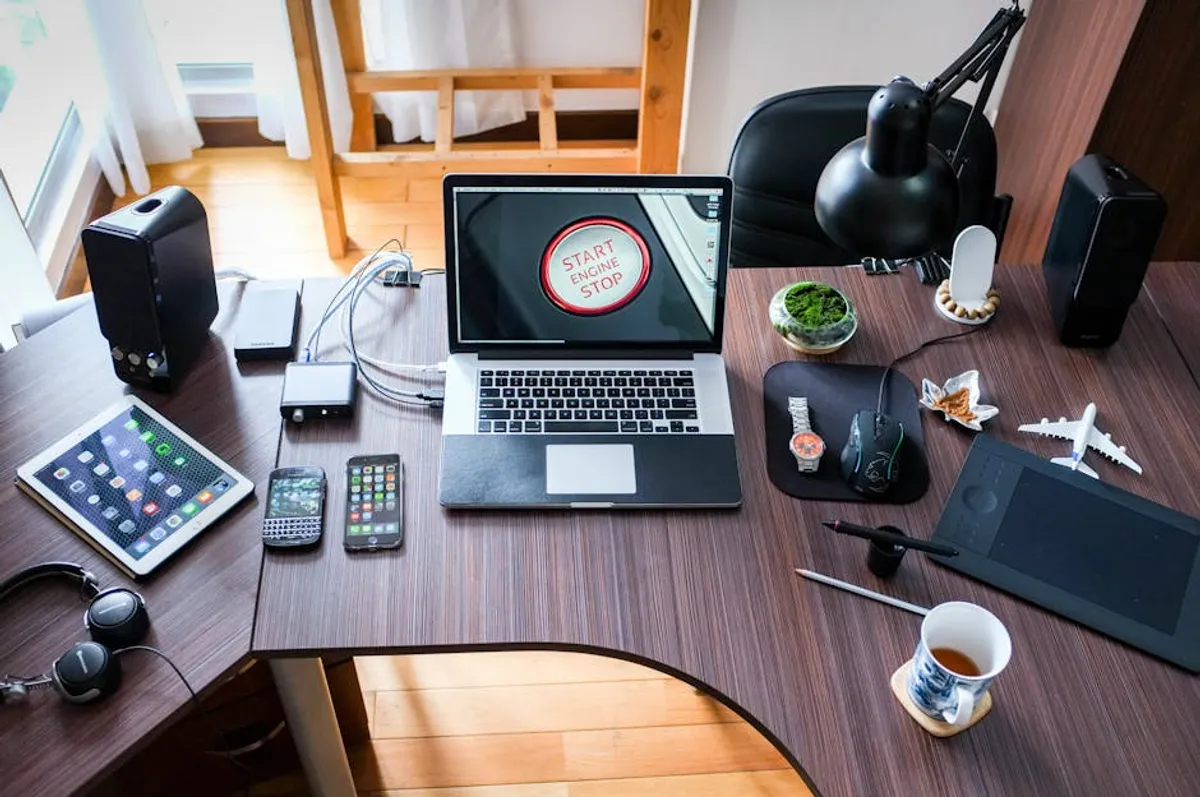
Beginning the journey into home organization offers more than just tidier spaces; it's an investment in daily efficiency, reduced stress, and increased productivity. For many, the sheer volume of possessions or the lack of clear systems can feel paralyzing. This guide provides a structured approach to transform overwhelming clutter into functional, aesthetically pleasing environments, focusing on actionable steps that yield tangible results. Understanding that effective organization isn't about perfection but about creating sustainable systems tailored to your lifestyle is the first critical step.
Understanding Your Organizational Goals
Before moving a single item, clarify what you aim to achieve. Without a defined objective, effort can be scattered and ineffective.
Identifying Pain Points
Pinpoint the specific areas or items that cause the most frustration. Is it the overflowing kitchen counter, the perpetually messy home office desk, or the closet where clothes disappear? Listing these pain points provides a clear starting line. For example, if finding matching socks is a daily struggle, your goal might involve a more efficient drawer system. If meal prep is hampered by a disorganized pantry, that becomes a priority.
Defining Your Ideal Outcome
Visualize what "organized" looks like for you in those problem areas. Is it a clear countertop with only essential appliances? A filing system where documents are retrievable in seconds? This vision acts as a blueprint, guiding decisions on what to keep, where to store items, and which organizational tools to acquire. Focus on functionality and ease of use rather than just aesthetics.
Setting Realistic Expectations
Home organization is a process, not a one-time event. Expecting immediate, flawless results across an entire home can lead to burnout. Start with one small, manageable area, like a single drawer or a shelf. Success in a small zone builds momentum and provides valuable learning for larger projects. Recognize that systems will evolve as your needs change, requiring periodic adjustments.
The Core Principles of Effective Organization
Successful organization relies on foundational principles that apply universally, regardless of the room or items involved.
Decluttering First
This is the most crucial initial step. Attempting to organize items you no longer need, use, or love is counterproductive. Decluttering reduces volume, making subsequent organization simpler and more effective. Employ a systematic approach:
- The Four-Box Method: Label four boxes: "Keep," "Donate/Sell," "Trash/Recycle," and "Relocate." As you go through items, immediately place them into the appropriate box.
- One-In, One-Out Rule: For categories prone to accumulation (e.g., clothing, books, kitchen gadgets), commit to removing one item for every new item brought into the home.
- Question Every Item: Ask: "Have I used this in the last year?" "Does this bring me joy or serve a practical purpose?" "Do I have a designated space for this?"
Pro Tip: When decluttering, remove the "Donate/Sell" and "Trash/Recycle" boxes from your home immediately upon completion. Allowing them to linger can lead to second-guessing and reintroducing items back into your space.
Categorization and Grouping
Once decluttered, group similar items together. All cleaning supplies belong in one area, all stationery in another, and all medications in a designated spot. This ensures efficiency when searching for items and simplifies the return process. Think logically about how items are used together or where they are most frequently accessed.
Assigning a Home
Every item needs a permanent, designated "home." When an item is used, it should be returned to this specific spot. This eliminates surface clutter and reduces decision fatigue. For instance, keys have a hook by the door, mail has a tray, and charging cables have a drawer. Consistency is key to making this system automatic.
Utilizing Vertical Space
Often overlooked, vertical space on walls, inside cabinets, and within closets offers significant storage potential. Incorporate shelves, wall-mounted organizers, tiered drawer inserts, and stackable bins to maximize storage capacity without expanding your footprint. This strategy is particularly effective in smaller living spaces.
Containment Solutions
Once items are categorized and assigned homes, containment solutions help maintain order. These range from simple drawer dividers to specialized pantry organizers.
Best for:
- Clear Bins: Ideal for pantries and refrigerators, allowing visual access to contents.
- Drawer Dividers: Essential for organizing cutlery, office supplies, and clothing.
- Baskets: Excellent for corralling items on open shelves, like blankets in a living room or toiletries in a bathroom.
- Magazine Files: Perfect for organizing important documents, instruction manuals, or thin cutting boards.
- Label Makers: Crucial for identifying contents of opaque containers or for clear filing systems, ensuring everyone can find and return items correctly.
Implementing Organization Room by Room
Apply the core principles to specific areas of your home, tailoring solutions to each room's function.
Kitchen
Focus on creating zones: a cooking zone near the stove, a prep zone near the sink, and a storage zone for pantry items. Utilize drawer organizers for utensils, clear containers for dry goods in the pantry, and vertical racks for pot lids. Keep countertops as clear as possible, reserving space only for frequently used small appliances.
Bedroom
Address clothing, personal items, and linens. Implement a folding system for drawers (e.g., file-folding) to maximize space and visibility. Use closet dividers, shoe racks, and jewelry organizers. Keep nightstands clear, with only essentials like a lamp, book, and charger. Regularly review clothing for items that no longer fit or are worn out.
Home Office/Desk
Prioritize a clear workspace. Use file cabinets or desktop organizers for papers, digitalize documents where possible, and employ cable management solutions to reduce visual clutter. Group similar office supplies in drawer organizers. A well-organized office directly impacts focus and productivity.
Maintaining Your Organized Space
Organization is an ongoing practice. Establish routines to prevent clutter from accumulating again.
Daily Habits
Implement short, consistent tidying habits. A "five-minute tidy" before bed, returning items to their homes, or wiping down surfaces can prevent small messes from becoming overwhelming. Make it a routine to put things away immediately after use.
Weekly Reset
Dedicate 30-60 minutes once a week for a deeper reset. This might involve clearing accumulated papers, tidying high-traffic areas, or refreshing your pantry. Use this time to prepare for the week ahead, ensuring your organized systems are functioning effectively.
Seasonal Decluttering
Twice a year (e.g., spring and fall), perform a more thorough decluttering session. Review seasonal items, clothing, and less-used possessions. This prevents accumulation and ensures your systems remain relevant to your current needs and lifestyle.
Sustaining Your Organized Environment
Long-term home organization hinges on consistency and adaptability. The systems you establish should serve your lifestyle, not dictate it. Regularly assess if your current methods are still effective and be willing to adjust them as your needs, family size, or routines change. Embrace the process as an ongoing journey towards a more peaceful and efficient living space, recognizing that minor adjustments are part of maintaining order. The goal is to create a home that supports your daily life, reduces mental load, and provides a sense of calm.
Frequently Asked Questions
How do I start when I'm completely overwhelmed by clutter?
Begin with a very small, contained area, such as a single drawer, a shelf, or your bedside table. Completing a small project provides a sense of accomplishment and builds momentum for larger tasks. Don't try to tackle an entire room at once.
What if I don't have much storage space in my home?
Maximize existing space by utilizing vertical storage (shelves, wall organizers), under-bed storage, and multi-functional furniture. Prioritize decluttering rigorously to reduce the sheer volume of items needing storage, as less stuff requires less space.
How often should I declutter my entire home?
A full-home decluttering session is typically beneficial twice a year, often coinciding with seasonal changes. However, daily and weekly maintenance habits are crucial to prevent significant re-accumulation between these larger efforts.
What are the most common mistakes beginners make in home organization?
Common mistakes include organizing before decluttering, buying too many storage containers before knowing what needs to be stored, attempting to organize an entire home at once, and not assigning a permanent "home" for every item.