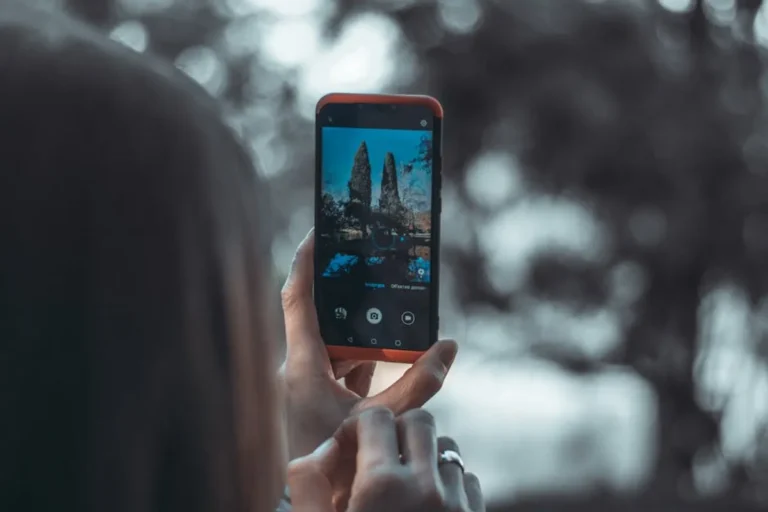
Budget travel extends beyond merely finding the lowest price; it involves maximizing value and experience within a defined financial framework. The objective is not to sacrifice quality for cost, but to identify destinations where local economies, favorable exchange rates, and abundant free or low-cost activities naturally align with a more conservative spending plan. This approach allows for deeper immersion, longer stays, and access to authentic experiences often overlooked by those solely focused on luxury or convenience. For those focused on lifestyle, maximizing value and experience means aligning travel choices with personal interests and well-being.
The selection of an appropriate budget travel destination hinges on several key economic factors. These include the average cost of accommodation, daily food expenses, local transportation networks, and the prevalence of free cultural or natural attractions. Additionally, external factors such as flight accessibility, visa requirements, and the stability of the local currency against major global currencies significantly influence the overall affordability of a trip. By meticulously evaluating these elements, travelers can pinpoint locations that deliver rich experiences without demanding a premium price point.
Key Considerations for Budget Travel Destinations
When evaluating potential budget travel destinations, a systematic approach helps filter options effectively:
- Cost of Living: Research average prices for daily essentials like meals, local transport, and basic accommodation (hostels, guesthouses, budget hotels). A destination with a low cost of living allows your travel budget to stretch further.
- Flight Accessibility and Cost: While a destination might be cheap once you arrive, expensive or infrequent flights can negate savings. Look for locations with multiple airline routes, especially from budget carriers, and consider traveling during shoulder seasons for better airfare deals.
- Visa Requirements: Some countries require costly visas or have complex application processes that can add significant expense and planning overhead. Prioritize destinations with visa-free access or affordable, straightforward e-visa options.
- Exchange Rate: A favorable exchange rate means your home currency buys more local currency, directly increasing your purchasing power for everything from meals to souvenirs.
- Free and Low-Cost Activities: Destinations rich in natural parks, free museums, public markets, religious sites, or extensive walking tours provide ample entertainment without constant spending.
- Local Transportation: An efficient and affordable public transport system (buses, trains, subways) reduces reliance on taxis or ride-shares, which can quickly inflate daily costs.
- Food Culture: Countries with vibrant street food scenes or affordable local eateries allow for authentic culinary experiences at a fraction of restaurant prices.
- Safety and Infrastructure: While focusing on budget, ensure the destination has a stable political climate and adequate infrastructure to support safe and comfortable travel.
1. Vietnam
Vietnam consistently ranks as a top budget destination due to its remarkably low cost of living, vibrant culture, and diverse landscapes. From the bustling street food scene of Hanoi and Ho Chi Minh City to the serene rice paddies of Sapa and the limestone karsts of Ha Long Bay, the country offers a wealth of experiences. Accommodation, local transportation, and especially food are exceptionally inexpensive, allowing travelers to enjoy extended stays and deeper exploration without financial strain. The extensive bus and train network makes inter-city travel affordable, while motorbikes offer a cheap way to navigate locally.
Best for: Backpackers, food enthusiasts, culture seekers, and those looking for extended travel in Southeast Asia.
Pros: Extremely low daily expenses (meals often under $5, hostels under $10); rich history and diverse natural beauty; efficient and affordable public transport; friendly locals; strong coffee culture.
Cons: Long-haul flights from Western countries can be costly; traffic in major cities can be chaotic; language barrier outside tourist hubs.
Verdict: An outstanding choice for immersive, long-term budget travel, particularly for those who prioritize culinary exploration and cultural depth.
2. Portugal
While a Western European country, Portugal offers significantly more value than its neighbors, especially outside of peak summer months. Cities like Lisbon and Porto provide historic charm, stunning architecture, and lively nightlife at prices considerably lower than Paris or Rome. The country boasts beautiful coastlines, historic towns, and delicious food and wine. Public transportation is efficient and affordable, particularly within cities and between major hubs via train or bus. Accommodation, from hostels to boutique guesthouses, remains accessible, and dining out, especially for local dishes, is economical.
Best for: European explorers on a budget, food and wine lovers, surfers, and those seeking a blend of city and coastal experiences.
Pros: Affordable high-quality food and wine; excellent public transport; rich history and culture; beautiful beaches; favorable exchange rate for non-Euro visitors; strong hostel network.
Cons: Lisbon and Porto can be crowded during peak season; flights from outside Europe can be expensive; some remote areas require a car.
Verdict: A compelling option for experiencing Western European culture and natural beauty without the typical high price tag, especially during shoulder seasons.
3. Colombia
Colombia has emerged as a vibrant and increasingly popular budget destination in South America. Its diverse geography ranges from Caribbean beaches to Andean peaks and Amazonian rainforests. Cities like Medellín and Bogotá offer modern amenities alongside colonial history, while Cartagena provides a colorful coastal experience. The cost of living is low, with inexpensive local food, affordable hostels, and a comprehensive inter-city bus system. Many natural attractions, such as coffee plantations and national parks, are accessible without excessive expense.
Best for: Adventure travelers, salsa dancers, coffee lovers, and those seeking a dynamic South American experience.
Pros: Very low cost of living; diverse landscapes and climates; rich cultural experiences; friendly and welcoming locals; affordable domestic flights and bus travel.
Cons: Safety concerns, though significantly improved, still require vigilance in certain areas; language barrier for non-Spanish speakers; some tourist areas can be overpriced.
Verdict: An excellent choice for adventurous budget travelers willing to navigate a Spanish-speaking environment for deep cultural and natural exploration.
4. Northern Thailand (Chiang Mai, Chiang Rai)
While popular, Northern Thailand, particularly cities like Chiang Mai and Chiang Rai, offers a significantly more budget-friendly experience than the southern islands. This region is a hub for cultural tourism, featuring ancient temples, vibrant night markets, and ethical elephant sanctuaries. Accommodation ranges from budget guesthouses to affordable boutique hotels. Street food is legendary and incredibly cheap, often serving full meals for under $2. Local transport via songthaews (red trucks) or scooters is also economical.
Best for: Culture enthusiasts, foodies, digital nomads, and those seeking a relaxed pace with access to nature and spirituality.
Pros: Exceptionally cheap food and accommodation; rich Lanna culture and numerous temples; access to ethical animal encounters and trekking; affordable local transport.
Cons: Can be crowded during peak season (November-February); smoky season (March-April) due to agricultural burning; domestic flights can add up if visiting multiple regions.
Verdict: An ideal budget destination for those prioritizing cultural immersion and culinary exploration in a relaxed, scenic setting.
5. Mexico (Oaxaca, Guanajuato)
Beyond the resort towns, Mexico offers incredible value, particularly in cultural heartlands like Oaxaca and Guanajuato. These cities are renowned for their colonial architecture, vibrant arts scenes, and exceptional regional cuisine. Oaxaca, a UNESCO World Heritage site, is celebrated for its mole dishes, mezcal, and indigenous crafts. Guanajuato offers colorful alleyways and underground tunnels. Both cities provide affordable guesthouses and hotels, and street food or local market meals are consistently inexpensive. Inter-city bus travel is comfortable and economical.
Best for: Culture and history buffs, foodies, art lovers, and travelers seeking authentic Mexican experiences away from tourist traps.
Pros: Rich cultural heritage and vibrant local traditions; world-class cuisine at budget prices; beautiful colonial architecture; affordable accommodation and transport; strong sense of local identity.
Cons: Flights to Mexico can be expensive depending on origin; Spanish proficiency is beneficial; some areas require awareness of local safety conditions.
Verdict: An excellent choice for immersing in authentic Mexican culture, art, and gastronomy without a significant financial outlay.
6. Hungary (Budapest)
Budapest stands out as one of Europe's most beautiful and budget-friendly capital cities. Its stunning architecture, thermal baths, ruin bars, and rich history offer a compelling travel experience. Accommodation, especially hostels and Airbnb apartments, is significantly cheaper than in Western European capitals. Public transportation is extensive and affordable, making it easy to explore. Traditional Hungarian cuisine is hearty and inexpensive, particularly at local eateries and markets. Many key attractions, like the Chain Bridge or Fisherman's Bastion, can be enjoyed for free or at a low cost.
Best for: City breakers, history enthusiasts, spa-goers, and those looking for an affordable yet culturally rich European capital experience.
Pros: Affordable accommodation and dining; excellent public transport system; numerous free or low-cost attractions; vibrant nightlife; unique thermal bath culture.
Cons: Flights into Budapest can be higher than major Western European hubs; English is not universally spoken outside tourist areas; can be very crowded in summer.
Verdict: A top-tier choice for a budget-conscious European city break, offering a blend of history, culture, and relaxation at an accessible price point.
7. Cambodia
Cambodia offers an incredibly affordable travel experience, primarily drawing visitors to the magnificent temples of Angkor Wat near Siem Reap. Beyond Angkor, the country provides a glimpse into a resilient culture, with bustling markets, serene countryside, and a poignant history. Daily expenses for food, accommodation, and local transport (tuk-tuks, buses) are among the lowest in Southeast Asia. While the Angkor pass is a significant expense, the overall low cost of living balances this out, allowing for longer stays and deeper exploration.
Best for: History buffs, spiritual seekers, backpackers, and those interested in understanding Southeast Asian history and culture.
Pros: Exceptionally low daily costs; world-renowned historical sites; authentic cultural experiences; friendly locals; affordable inter-city buses.
Cons: Limited infrastructure outside major tourist hubs; hot and humid climate; some areas still recovering from past conflicts; scams can occur in tourist areas.
Verdict: A compelling destination for budget travelers seeking profound historical and cultural insights, provided they manage the heat and limited modern amenities.
8. Bulgaria
Bulgaria, a Balkan nation, remains one of Europe's most underrated and affordable destinations. It offers a diverse landscape of Black Sea beaches, rugged mountains, and historic cities like Sofia and Plovdiv. The cost of living is remarkably low compared to Western Europe, with very inexpensive food, accommodation, and public transport. Visitors can explore ancient Roman ruins, Orthodox monasteries, and vibrant local markets without spending much. Ski resorts in winter also offer budget-friendly alternatives to the Alps.
Best for: Outdoor enthusiasts, history lovers, culture seekers, and travelers looking for an authentic, off-the-beaten-path European experience.
Pros: Very low cost of living; diverse natural beauty (mountains, beaches); rich history and cultural heritage; affordable ski resorts; good public transport network.
Cons: Infrastructure can be less developed outside major cities; limited English speakers in rural areas; direct flights from outside Europe can be scarce.
Verdict: An excellent choice for budget travelers seeking diverse European experiences, from ancient history to natural landscapes, without the typical Western European price tag.
9. Indonesia (Bali, outside major resorts)
While Bali is known for luxury resorts, it remains a highly budget-friendly destination if travelers venture beyond the mainstream tourist enclaves and opt for local guesthouses, warungs (local eateries), and scooter rentals. Areas like Ubud, Canggu (with careful planning), and lesser-known islands like Lombok or the Gili Islands offer significant value. The natural beauty, spiritual sites, and vibrant culture are accessible without high costs. Food, especially local Indonesian cuisine, is very cheap, and accommodation in homestays or budget hotels is abundant.
Best for: Surfers, yogis, spiritual seekers, digital nomads, and those looking for tropical beauty and cultural immersion on a budget.
Pros: Stunning natural landscapes and beaches; rich spiritual and artistic culture; incredibly cheap local food; affordable accommodation options outside luxury resorts; accessible scooter rentals.
Cons: Can be very touristy and crowded in popular areas; traffic congestion in certain regions; flight costs to Indonesia can be high; plastic pollution is a concern in some areas.
Verdict: A solid option for budget travelers seeking a tropical paradise with cultural depth, provided they are willing to explore beyond the most commercialized zones.
10. Peru (Cusco, Sacred Valley)
Peru offers an unparalleled blend of ancient history, majestic landscapes, and vibrant indigenous culture, all within a reasonable budget, especially when focusing on regions like Cusco and the Sacred Valley. While Machu Picchu entry fees and multi-day treks can be costly, daily expenses for food, hostels, and local transportation are low. Exploring local markets, colonial architecture in Cusco, and smaller Inca ruins in the Sacred Valley can be done very affordably. Inter-city buses are a cheap and common mode of transport.
Best for: History enthusiasts, trekkers, adventure travelers, and those seeking profound cultural and archaeological experiences.
Pros: World-class historical sites; stunning Andean landscapes; rich indigenous culture; affordable local food and accommodation; extensive bus network.
Cons: Machu Picchu and popular treks can be expensive; altitude sickness is a common concern; flights to Peru from distant continents are long and costly; Spanish is essential.
Verdict: An exceptional destination for budget travelers passionate about ancient history and mountain landscapes, provided they plan for the higher cost of key attractions.
11. Morocco (Marrakech, Fes)
Morocco offers an exotic and sensory-rich experience at a budget-friendly price point, particularly in its historic imperial cities like Marrakech and Fes. These cities immerse visitors in bustling souks, ancient medinas, and stunning Islamic architecture. Accommodation in traditional riads and guesthouses is affordable, and street food or meals in local eateries are exceptionally cheap. Local transport, including grand taxis and buses, is also economical. Exploring the Sahara Desert can be done via budget-friendly tours.
Best for: Culture shock seekers, photographers, history buffs, and those interested in North African and Islamic culture.
Pros: Highly affordable daily expenses; unique cultural immersion; stunning architecture and vibrant markets; delicious and cheap local cuisine; accessible desert tours.
Cons: Can be overwhelming for first-time visitors; haggling is expected and can be tiring; some areas require careful attention to personal safety; language barrier (Arabic/French).
Verdict: A fantastic budget destination for adventurous travelers seeking a truly different cultural experience, provided they embrace the chaos and cultural nuances.
12. India (Goa, Rajasthan)
India remains one of the most budget-friendly destinations globally, offering an unparalleled tapestry of cultures, religions, and landscapes. While the entire country is vast, regions like Goa (for beaches and relaxation) and Rajasthan (for palaces, forts, and vibrant history) provide distinct experiences at very low costs. Accommodation, food, and especially train travel are incredibly cheap. Exploring temples, markets, and historical sites often costs very little or is free. The sheer scale of experiences available for minimal expense is unmatched.
Best for: Spiritual seekers, culture enthusiasts, backpackers, and those looking for a profoundly transformative and affordable journey.
Pros: Extremely low cost of living; unparalleled cultural diversity and historical depth; delicious and varied regional cuisine at minimal cost; extensive and cheap train network; spiritual experiences.
Cons: Can be overwhelming and challenging for some travelers; hygiene standards vary significantly; large crowds and noise; long travel distances between regions.
Verdict: The ultimate budget destination for intrepid travelers seeking deep cultural immersion and spiritual exploration, requiring an open mind and patience.
Choosing Your Ideal Budget Destination
Selecting the right budget travel destination ultimately depends on individual preferences and priorities. Consider what kind of experience you seek: do you prefer cultural immersion, beach relaxation, mountain trekking, or vibrant city life? Research the specific costs associated with your preferred activities in each potential destination. For example, if trekking is a priority, factor in permit costs and guide fees. If food is paramount, look for destinations with strong street food cultures. Always cross-reference current exchange rates and seasonal pricing for flights and accommodation to ensure the destination remains budget-friendly for your specific travel dates. Flexibility with travel dates and being open to slightly off-the-beaten-path locations can unlock significant savings.
Frequently Asked Questions
What's the cheapest way to find international flights?
Utilize flight comparison websites with flexible date options to identify the cheapest days to fly. Consider flying into larger, hub airports even if they are not your final destination, then taking a budget carrier or ground transport. Booking well in advance, typically 2-6 months, often yields lower prices. Be open to layovers and indirect routes.
How can I save money on accommodation while traveling?
Opt for hostels (dorm beds or private rooms), guesthouses, homestays, or budget hotels. Look for places with kitchen facilities to prepare some of your own meals. Consider house-sitting or volunteering opportunities for free accommodation. Booking directly with smaller establishments can sometimes yield better rates than through major booking platforms.
Is it safe to travel on a budget?
Budget travel can be very safe. The key is thorough research on local customs, common scams, and areas to avoid. Stay aware of your surroundings, secure your valuables, and trust your instincts. Local public transport is generally safe, but be cautious at night. Purchasing travel insurance is a prudent step regardless of budget.
What are some common budget travel mistakes to avoid?
Common mistakes include not planning for visa costs, overpacking (leading to baggage fees), not researching local transport options (relying on taxis), eating only in tourist-heavy areas, and failing to account for