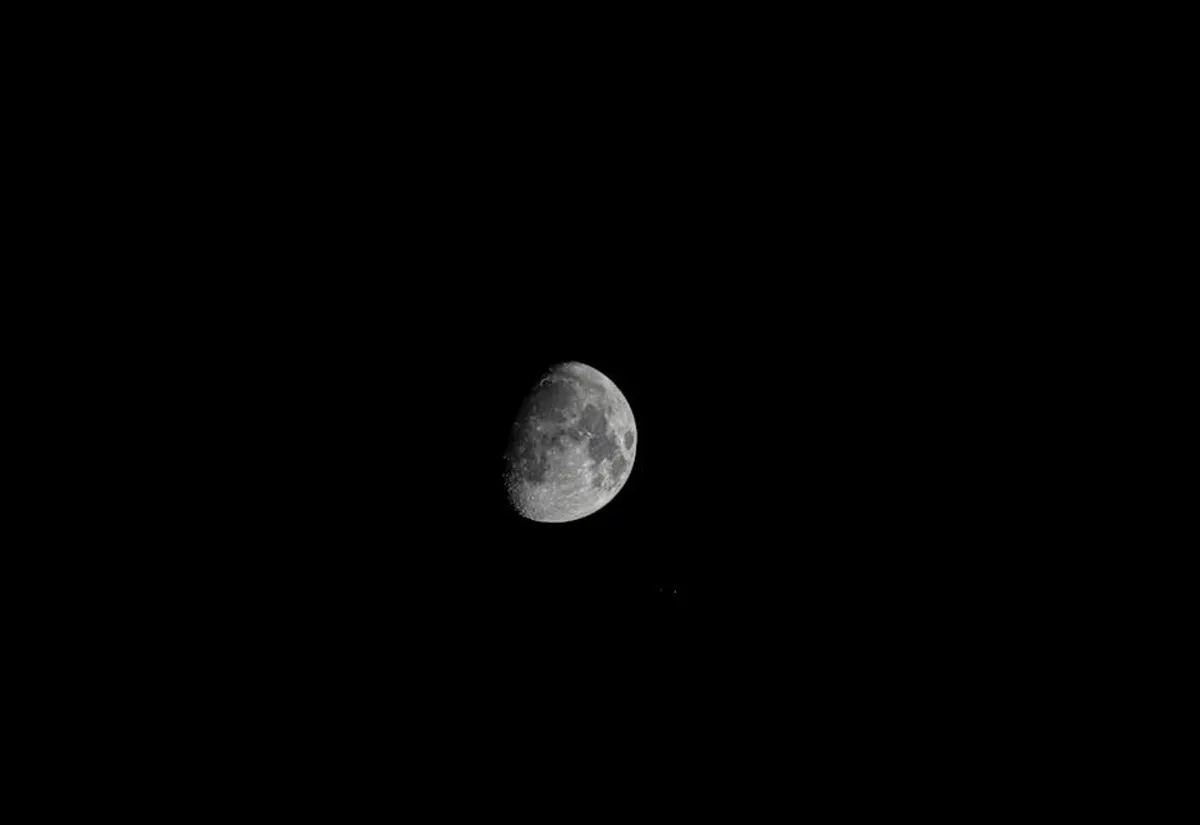
For busy professionals, managing time and energy is paramount. The concept of aligning activities with lunar phases, often dismissed as esoteric, offers a structured framework for optimizing productivity, strategic planning, and personal well-being. This isn't about astrology; it's about observing natural cycles and applying their energetic patterns to professional and personal tasks. By understanding the distinct characteristics of each moon phase, individuals can strategically schedule demanding projects, initiate new ventures, refine ongoing work, or allocate time for critical rest and reflection, thereby reducing burnout and enhancing focus. The goal is to move beyond a purely linear approach to work, embracing a cyclical rhythm that supports sustained output and avoids common pitfalls of constant high-intensity effort.
How Busy Professionals Can Leverage Lunar Cycles
Adopting a lunar-aligned approach involves more than just knowing when the full moon occurs. It requires understanding the underlying energetic shifts associated with each phase and consciously applying them to your workflow. Consider what types of tasks benefit from initiation versus completion, or intense focus versus quiet reflection. For instance, the New Moon is often associated with new beginnings and setting intentions, making it ideal for strategic planning or launching new initiatives. The Full Moon, conversely, correlates with culmination and revelation, suitable for major project releases or performance reviews. Integrating these natural rhythms can help busy adults allocate their most valuable resource—attention—more effectively, ensuring that effort is expended when natural energetic currents are most supportive.
1. New Moon: Planning & Initiation
The New Moon marks the beginning of the lunar cycle, a period of darkness and introspection. Energetically, it’s ideal for planting seeds—not just literally, but for new ideas, projects, or intentions. For busy adults, this phase is best utilized for strategic planning, brainstorming sessions, and setting clear, actionable goals for the upcoming month. It's a time for quiet contemplation, envisioning future successes, and defining the scope of new ventures before the outward push begins. Avoid launching major campaigns or making public announcements; instead, focus on internal groundwork.
Best for: Strategic goal setting, project ideation, personal intention setting, quiet contemplation, defining new initiatives.
Pros: Fosters clarity and focus on future objectives. Supports deep thinking and foundational planning. Reduces reactive decision-making by encouraging proactive visioning.
Cons: Not suitable for public launches or high-energy output. Can feel slow if not embraced for its introspective nature. Requires discipline to resist immediate action.
Verdict: Leverage the New Moon for foundational work. It's a critical period for setting the trajectory of your efforts, ensuring that subsequent actions are aligned with a well-defined purpose.
2. Waxing Crescent: Goal Setting & Nurturing
Following the New Moon, the Waxing Crescent brings the first sliver of light, symbolizing the initial growth and development of intentions. This phase is about taking the first concrete steps towards the goals set during the New Moon. It’s a time for research, gathering resources, and nurturing nascent ideas. For professionals, this means scheduling initial meetings, conducting preliminary market research, or outlining project plans. The energy is still gentle but moving forward, encouraging careful, deliberate action rather than aggressive expansion.
Best for: Initial project steps, resource gathering, preliminary research, team onboarding for new projects, skill development related to new goals.
Pros: Supports gentle momentum and careful execution. Ideal for building foundational elements without pressure. Encourages learning and information gathering.
Cons: Not the time for full-scale launches or high-visibility tasks. Can feel like slow progress if expecting immediate results. Requires patience and attention to detail.
Verdict: Use the Waxing Crescent to build momentum incrementally. It’s the phase for laying solid groundwork and ensuring all necessary components are in place before accelerating.
3. First Quarter Moon: Action & Overcoming Obstacles
The First Quarter Moon marks a pivotal point where the moon is half-illuminated, representing a surge of energy and the need for decisive action. Challenges may arise, testing the initial plans. For busy adults, this is the time to push forward, address roadblocks head-on, and make necessary adjustments to strategies. It’s an excellent phase for tackling complex problems, making critical decisions, and initiating significant project milestones. The energy supports perseverance and the courage to overcome early hurdles.
Best for: Decisive action, problem-solving, making tough decisions, project acceleration, overcoming initial resistance, launching internal prototypes.
Pros: Provides a natural energetic push for progress. Excellent for breaking through inertia. Supports focused effort on challenging tasks.
Cons: Can feel intense or confrontational due to the nature of challenges. Requires resilience and adaptability. Not ideal for delicate negotiations or introspective work.
Verdict: The First Quarter Moon is for execution and resilience. Embrace its dynamic energy to propel projects forward and resolve any emerging issues with determination.
4. Waxing Gibbous Moon: Refinement & Preparation
As the moon nears its full illumination, the Waxing Gibbous phase is characterized by refinement, optimization, and final preparations. This is a period for tweaking, polishing, and ensuring everything is aligned for a successful culmination. For professionals, it means reviewing drafts, optimizing processes, conducting final checks, and preparing presentations or reports. It's about perfecting details and making sure all elements are harmonized before a major release or public presentation. The energy is about diligent work and attention to quality.
Best for: Content editing, project optimization, quality assurance, final rehearsals, preparing for major presentations, client reviews and feedback incorporation.
Pros: Enhances attention to detail and thoroughness. Supports high-quality output and error reduction. Builds anticipation and readiness for completion.
Cons: Can lead to perfectionism if not managed. Not the phase for starting new, unrelated tasks. Requires sustained focus on existing projects.
Verdict: Utilize the Waxing Gibbous for meticulous refinement. This phase is crucial for ensuring that all efforts culminate in a polished, high-quality outcome, ready for public view.
5. Full Moon: Completion & Celebration
The Full Moon is a time of peak illumination, representing culmination, achievement, and revelation. It's when projects come to fruition, insights are gained, and results become visible. For busy adults, this is the prime time for major launches, public announcements, product releases, or significant presentations. It’s also a powerful moment for celebrating successes, acknowledging team efforts, and reflecting on progress. The energy is expansive and revelatory, making it ideal for maximum visibility and impact.
Best for: Product launches, major announcements, public speaking, performance reviews, celebrating team successes, gaining clarity on outcomes, receiving feedback.
Pros: Maximizes visibility and impact for key events. Fosters a sense of accomplishment and recognition. Provides clarity and insight into project outcomes.
Cons: Can be emotionally intense or overwhelming for some. Not ideal for initiating new, complex tasks. Requires careful management of expectations.
Verdict: Schedule your most impactful releases and celebrations around the Full Moon. Its potent energy ensures maximum reach and provides a natural point for acknowledging achievements.
6. Waning Gibbous Moon: Gratitude & Dissemination
After the Full Moon, the Waning Gibbous phase begins, with the moon gradually decreasing in light. This period is about sharing, disseminating information, and expressing gratitude. For professionals, it’s an excellent time for follow-ups after launches, sharing insights gained, creating case studies, or engaging in public relations efforts. It’s also a time for expressing appreciation to collaborators and clients, reinforcing relationships. The energy supports generosity, outreach, and thoughtful reflection on what has been accomplished.
Best for: Post-launch follow-ups, content syndication, public relations, client testimonials, expressing gratitude, internal knowledge sharing, creating case studies.
Pros: Strengthens relationships and builds goodwill. Facilitates broader reach and impact of completed projects. Encourages reflective learning and appreciation.
Cons: Not a phase for new initiatives or intense problem-solving. Requires a shift from execution to outreach. Can feel less urgent than previous phases.
Verdict: The Waning Gibbous is for extending the impact of your work. Focus on sharing your successes, nurturing connections, and ensuring your message resonates widely.
7. Last Quarter Moon: Release & Reassessment
The Last Quarter Moon, again half-illuminated, represents a time of release, clearing, and reassessment. It’s about letting go of what no longer serves, simplifying processes, and making strategic adjustments based on recent outcomes. For busy adults, this means decluttering digital workspaces, delegating tasks that can be handled by others, evaluating project performance, and releasing outdated strategies. It’s a powerful phase for streamlining operations and preparing for a new cycle by clearing away the old.
Best for: Project post-mortems, evaluating team performance, decluttering digital files, delegating tasks, releasing non-essential commitments, strategic pivots.
Pros: Promotes efficiency and clarity by removing obstacles. Supports objective evaluation and informed decision-making. Prepares the ground for future growth.
Cons: Can involve difficult decisions or letting go. Not ideal for starting complex new projects. Requires an analytical and sometimes critical mindset.
Verdict: Use the Last Quarter Moon for critical evaluation and strategic shedding. This phase is essential for optimizing your workflow and ensuring future efforts are lean and effective.
8. Waning Crescent Moon: Rest & Introspection
The Waning Crescent, the final sliver of light before the New Moon, is a period of deep rest, introspection, and regeneration. It's a time to recharge, integrate lessons learned, and prepare for the next cycle. For busy professionals, this means scheduling lighter workloads, focusing on personal development, engaging in creative thinking without pressure, or taking time off. It's a crucial phase for preventing burnout and ensuring mental and emotional resilience. Avoid demanding tasks or high-pressure situations.
Best for: Strategic downtime, personal development, creative ideation without deadlines, meditation, light administrative tasks, learning new skills for future application.
Pros: Prevents burnout and promotes long-term sustainability. Fosters creativity and intuitive insights. Allows for integration of past experiences.
Cons: Can be challenging for those accustomed to constant activity. Not suitable for urgent deadlines or high-stakes negotiations. Requires conscious effort to slow down.
Verdict: Prioritize rest and introspection during the Waning Crescent. This phase is vital for restoring energy and gaining clarity, setting the stage for a more productive subsequent cycle.
9. The Synchronized Cycle Approach
This approach involves integrating all eight lunar phases into a comprehensive monthly planning strategy. Instead of viewing phases in isolation, busy adults map their entire workflow to the lunar calendar, ensuring that specific types of tasks consistently align with the most supportive energy. This might mean dedicating the first week of the lunar month to planning, the second to execution, the third to refinement and launch, and the fourth to review and rest. This creates a predictable, cyclical rhythm for all professional activities.
Best for: Holistic project management, consistent team workflow, long-term strategic planning, individuals seeking a structured, recurring rhythm for all tasks.
Pros: Provides a clear, predictable framework for all activities. Reduces decision fatigue by pre-determining task types. Fosters a sustainable pace of work over time.
Cons: Requires initial effort to map all activities to the cycle. Can be rigid if unexpected urgent tasks arise. May not suit roles with highly variable demands.
Verdict: For those seeking a comprehensive and sustainable rhythm, the Synchronized Cycle Approach offers a powerful framework to harmonize work with natural energetic flows.
10. The Project-Specific Alignment
Rather than applying lunar phases to an entire month, this strategy focuses on aligning specific, critical projects with the most opportune phases. For instance, a major product launch might be timed for the Full Moon, with all preceding development and refinement phases backward-planned from that point. This allows for targeted optimization of key initiatives, ensuring that the most important work benefits from the most supportive lunar energy, without requiring a complete overhaul of all daily tasks.
Best for: High-stakes projects, major product development cycles, targeted marketing campaigns, individuals with varied project timelines who need flexibility.
Pros: Highly flexible and adaptable to diverse project needs. Maximizes impact for critical deliverables. Easier to implement for specific initiatives than a full lifestyle change.
Cons: May not provide a consistent rhythm for all work. Requires careful planning for each individual project. Can be challenging to manage multiple projects with different lunar alignments.
Verdict: Ideal for optimizing critical deliverables, Project-Specific Alignment allows busy professionals to strategically leverage lunar energies for maximum impact on their most important ventures.
11. The Energy Management Focus
This approach prioritizes personal energy levels and well-being, using lunar phases as a guide for self-care and workload adjustment. During the waxing phases (New Moon to Full Moon), when energy tends to build, professionals might schedule more demanding tasks, networking, and public engagements. During the waning phases (Full Moon to New Moon), when energy naturally recedes, the focus shifts to internal work, rest, and administrative tasks. This prevents burnout and maintains peak performance.
Best for: Preventing burnout, optimizing personal productivity, managing chronic fatigue, individuals in high-stress roles, prioritizing mental and physical well-being.
Pros: Directly addresses personal energy fluctuations. Supports long-term sustainability and reduces stress. Fosters a healthier work-life balance.
Cons: Requires strong self-awareness and discipline to adjust workload. May be difficult to implement in roles with non-negotiable external deadlines. Can be perceived as less "productive" during waning phases.
Verdict: For busy adults struggling with energy management, this lunar-aligned strategy offers a powerful framework for sustainable productivity and enhanced well-being.
12. The Decision-Making Cadence
This strategy leverages the clarity and insight associated with certain moon phases for making crucial business decisions. The New Moon is used for identifying problems and defining decision parameters. The First Quarter Moon is for making initial, bold choices. The Full Moon provides clarity for final, comprehensive decisions, often revealing unforeseen factors. The Last Quarter Moon is for evaluating past decisions and making corrective adjustments. This ensures decisions are made with optimal insight and timing.
Best for: Strategic leadership, high-stakes negotiations, critical business pivots, individuals in roles requiring frequent significant decision-making.
Pros: Enhances clarity and reduces uncertainty in decision-making. Provides a structured process for complex choices. Promotes timely and informed strategic adjustments.
Cons: May require patience to wait for optimal lunar phases for critical decisions. Not suitable for immediate, reactive decisions. Requires trust in the cyclical process.
Verdict: For strategic roles, aligning decision-making with lunar phases can provide a powerful, natural cadence, ensuring choices are made with enhanced clarity and foresight.
Integrating Lunar Cycles into Your Professional Cadence
Successfully integrating lunar cycles into a busy professional life requires conscious effort and a willingness to experiment. Start by observing your own energy levels and productivity patterns over a full lunar month, noting how they align with the moon's phases. Begin by applying one or two key recommendations, such as using the New Moon for planning and the Full Moon for launches. Document your experiences: did projects feel more aligned? Was your energy more consistent? Over time, you can gradually expand your application of the lunar calendar. The goal isn't rigid adherence but rather a flexible framework that supports your natural rhythms, fostering greater efficiency and reducing the feeling of constant uphill struggle. Consider using a digital calendar or planner to mark key lunar phases and schedule corresponding tasks, making the integration seamless with existing tools.
Frequently Asked Questions
Q: Is this about astrology or superstition?
A: No, this approach focuses on observing natural cycles and their energetic patterns, much like seasonal planning. It's a framework for optimizing productivity and well-being, not a predictive system based on astrological beliefs.
Q: How quickly can I expect to see results?
A: Initial benefits, such as reduced stress or improved focus, can be noticed within one to two lunar cycles (approximately 4-8 weeks). Deeper integration and significant shifts in productivity patterns typically emerge over several months of consistent practice.
Q: What if my work demands don't align with a specific moon phase?
A: The aim is not rigid adherence but strategic alignment. When external demands conflict, prioritize essential tasks while consciously choosing to scale back on non-critical activities during less supportive phases. Use the lunar cycle as a guide for internal energy management, even if external schedules are fixed.
Q: Can I combine these approaches, like Energy Management with Project-Specific Alignment?
A: Absolutely. Many busy professionals find success by combining strategies. For example, you might use the Energy Management Focus for your overall well-being and then apply Project-Specific Alignment for high-priority launches, creating a layered and flexible system.
Q: Are there specific tools or apps to help track moon phases?
A: Many calendar apps and dedicated lunar cycle trackers are available. Simple web searches for "moon phase calendar" or "lunar cycle app" will yield various options that can help you integrate this into your planning easily.