Introverts often thrive in environments that respect their need for quiet, introspection, and focused energy. While external schedules and demands rarely align perfectly with these innate preferences, understanding natural rhythms can provide a powerful framework for optimizing personal well-being and productivity. One such rhythm, often overlooked in its practical application, is the lunar cycle. Each moon phase carries a distinct energetic signature, offering unique opportunities for introverts to lean into their strengths, manage their energy, and engage in activities that genuinely recharge them rather than deplete them. This isn't about mystical adherence but about observing patterns and strategically aligning personal endeavors with the subtle shifts in cosmic energy that can either amplify or challenge an introvert's natural inclinations. By recognizing these energetic currents, introverts can cultivate a more harmonious internal landscape, making informed choices about when to engage, when to retreat, and when to channel their deep focus into creative or reflective pursuits.
Understanding Lunar Energies for Introverts
The moon's journey through its phases influences everything from ocean tides to subtle shifts in human mood and energy. For introverts, who are often more attuned to internal states and environmental nuances, these lunar shifts can be particularly impactful. The waxing phases (from New Moon to Full Moon) generally represent a period of growth, building, and outward expansion, while the waning phases (from Full Moon to New Moon) encourage release, introspection, and drawing inward. Recognizing this fundamental energetic flow allows introverts to proactively plan their activities. Instead of fighting against a perceived external pressure to be constantly "on," introverts can leverage these cycles to schedule deep work, creative projects, social engagements, or essential rest periods. This conscious alignment transforms potential energetic drains into strategic opportunities for self-care and authentic expression.
1. New Moon
The New Moon marks the beginning of a new lunar cycle, appearing as a dark sky. Energetically, it signifies a fresh start, a blank slate, and a period of quiet potential. For introverts, this phase is ideal for deep introspection and setting intentions without external noise or pressure. It’s a time for internal reflection, clarifying personal goals, and planting seeds for future projects or personal growth. The energy is subtle, inward, and conducive to quiet contemplation rather than outward action.
Best For: Goal setting, journaling, meditation, quiet planning, starting new personal projects, vision boarding, personal retreats.
Pros:
- Supports deep introspection and clarity.
- Encourages intentional new beginnings.
- Minimizes external distractions, allowing for focused internal work.
- Ideal for personal visioning without immediate pressure for execution.
Cons:
- Can feel stagnant if not actively channeled into internal work.
- Lack of visible lunar presence may diminish perceived energetic connection for some.
- Not ideal for high-energy social engagements or outward-facing tasks.
Verdict: The New Moon is the introvert's prime time for quiet strategizing and internal recalibration, offering a powerful energetic window for setting the stage for personal and professional growth from a place of calm clarity.
2. Waxing Crescent
Following the New Moon, the Waxing Crescent appears as a sliver of light, symbolizing the first gentle emergence of energy and momentum. This phase is about taking initial, deliberate steps towards the intentions set during the New Moon. For introverts, it’s a time for focused learning, research, and quiet initiation of projects. The energy is still relatively subdued, allowing for sustained concentration on foundational tasks without the overwhelming push for rapid expansion.
Best For: Research, skill development, initial project planning, quiet networking, gathering resources, focused study, gentle movement forward.
Pros:
- Supports focused, detailed work without high-pressure deadlines.
- Encourages methodical progress and learning.
- Ideal for building momentum gradually and sustainably.
- Allows for quiet observation and data collection.
Cons:
- May feel too slow for those seeking immediate results.
- Requires self-discipline to maintain focus without external urgency.
- Not a phase for major public launches or high-visibility activities.
Verdict: The Waxing Crescent is optimal for introverts to lay solid groundwork, engage in deep learning, and initiate projects with deliberate, sustainable steps, fostering a sense of quiet accomplishment.
3. First Quarter Moon
The First Quarter Moon appears as a half-lit circle, signifying a point of action and decision. This phase often brings the first challenges or obstacles to the intentions set at the New Moon. For introverts, it's a time to apply focused effort, problem-solve, and overcome initial hurdles with determination. The energy is more dynamic than the Crescent phase but still benefits from structured, deliberate action rather than reactive impulsivity.
Best For: Overcoming project roadblocks, making concrete decisions, focused work sessions, structured collaboration, assertive communication on key issues.
Pros:
- Provides energy for decisive action and problem-solving.
- Supports focused effort in overcoming initial challenges.
- Encourages practical application of plans.
- Builds confidence through tangible progress.
Cons:
- Can feel demanding if not approached with clear focus.
- Potential for minor conflicts or frustrations as plans encounter reality.
- Requires careful energy management to avoid burnout from sustained effort.
Verdict: The First Quarter Moon empowers introverts to engage with challenges directly and methodically, translating their quiet planning into tangible progress through focused and decisive action.
4. Waxing Gibbous
The Waxing Gibbous moon is nearly full, reflecting a period of refinement, adjustment, and building towards culmination. This phase is about perfecting details, preparing for a peak, and ensuring everything is in place. For introverts, it’s an excellent time for meticulous work, editing, fine-tuning projects, and thoughtful preparation for any upcoming presentations or social events. The energy is high but still contained, allowing for sustained, detailed effort.
Best For: Editing, proofreading, detailed analysis, strategic planning, preparing presentations, practicing skills, refining creative works, organizing resources.
Pros:
- Supports meticulous attention to detail and precision.
- Ideal for refining and perfecting projects before their public debut.
- Encourages thorough preparation and strategic foresight.
- Builds anticipation and readiness for completion.
Cons:
- Can lead to overthinking or perfectionism if not managed.
- Requires sustained mental effort, potentially leading to fatigue.
- Not a phase for starting entirely new initiatives; focus is on existing ones.
Verdict: The Waxing Gibbous is the introvert's opportunity to ensure quality and readiness, providing the focused energy needed for meticulous refinement and comprehensive preparation before a project’s peak visibility.
5. Full Moon
The Full Moon is the peak of the lunar cycle, radiant and visible, symbolizing culmination, illumination, and heightened emotions. For introverts, this phase can be a double-edged sword. While it’s a time for celebrating achievements and releasing what no longer serves, the amplified energy can also feel overstimulating. It’s crucial for introverts to manage their exposure, perhaps engaging in planned, meaningful social interactions rather than spontaneous, draining ones, and dedicating time to reflection and gratitude.
Best For: Celebrating milestones, releasing old patterns, expressing gratitude, planned social engagements (with boundaries), creative expression, emotional processing.
Pros:
- Offers a powerful moment for culmination and recognition.
- Supports emotional release and healing.
- Can amplify creative expression and intuition.
- Provides a natural checkpoint for reflection on progress.
Cons:
- Heightened energy can be overstimulating and draining for introverts.
- Increased social pressure or emotional intensity may require extra boundaries.
- Not ideal for starting complex new projects due to the energy of completion.
Verdict: The Full Moon is a powerful time for introverts to acknowledge achievements and release burdens, requiring careful energy management to harness its potent energy for reflection and selective celebration without overwhelm.
6. Waning Gibbous
After the Full Moon, the Waning Gibbous begins the descent, still largely illuminated but gradually shrinking. This phase is about sharing, disseminating, and expressing gratitude for what has manifested. For introverts, it’s an excellent time for thoughtful communication, sharing insights gained, and gentle unwinding after a period of intense focus. The energy encourages reflection on outcomes and thoughtful distribution of knowledge or creative output.
Best For: Thoughtful communication, sharing insights, teaching, writing reflective pieces, expressing gratitude, gentle follow-ups, organizing and archiving completed work.
Pros:
- Supports clear and considered communication of ideas.
- Ideal for reflective writing and knowledge sharing.
- Encourages a sense of completion and gratitude.
- Allows for a gradual energetic cool-down from the Full Moon peak.
Cons:
- Might feel less dynamic than previous phases, requiring internal motivation.
- Risk of dwelling on past outcomes rather than moving forward.
- Not a phase for initiating major new endeavors.
Verdict: The Waning Gibbous offers introverts a valuable period for thoughtful dissemination and reflective processing, allowing them to share their insights and express appreciation in a calm, considered manner.
7. Last Quarter Moon
The Last Quarter Moon, again a half-lit circle, signifies a critical turning point for release and re-evaluation. This phase is about letting go of what no longer serves, clearing out the old, and making space for the new. For introverts, it’s a powerful time for decluttering, editing down, pruning commitments, and honest self-assessment. The energy supports critical review and decisive action to release burdens, both physical and energetic.
Best For: Decluttering physical space, digital clean-up, reviewing commitments, releasing unproductive habits, ending projects that aren't working, honest self-assessment, setting boundaries.
Pros:
- Supports decisive action in letting go and clearing space.
- Ideal for honest self-reflection and re-evaluation of goals.
- Encourages simplification and removal of energetic drains.
- Prepares the ground for new beginnings.
Cons:
- Can be emotionally challenging as it involves letting go.
- Requires courage to make difficult decisions about what to release.
- Not a phase for initiating new projects; focus is on completion and clearing.
Verdict: The Last Quarter Moon is essential for introverts to energetically cleanse and re-align, providing the impetus to release what no longer serves their path and create vital space for renewal.
8. Waning Crescent
The Waning Crescent moon is a thin sliver of light, signaling the final descent into darkness before the New Moon. This phase is about deep rest, surrender, and quiet preparation for renewal. For introverts, it’s the ultimate time for retreat, dreaming, and passive introspection. The energy encourages deep relaxation, spiritual connection, and allowing things to unfold naturally without effort. This is a crucial period for recharging the introvert's energy reserves.
Best For: Deep rest, meditation, dream work, spiritual practices, quiet nature walks, journaling without specific goals, passive learning, surrendering control.
Pros:
- Supports profound rest and energetic replenishment.
- Ideal for deep introspection and spiritual connection.
- Encourages passive reception of insights and intuitive guidance.
- Prepares the mind and body for a new cycle with refreshed energy.
Cons:
- May feel unproductive to those accustomed to constant activity.
- Requires intentional effort to truly disengage and rest.
- Not a phase for any outward-facing work or demanding tasks.
Verdict: The Waning Crescent is the introvert's sacred time for deep replenishment and quiet surrender, offering an essential energetic pause to recharge and connect with inner wisdom before the next cycle begins.
9. Dark Moon
The Dark Moon refers to the day or two immediately preceding the New Moon, when the moon is completely invisible. This phase is often considered the most potent for deep rest, shadow work, and profound introspection. For introverts, it’s an intensified version of the Waning Crescent, offering a complete energetic vacuum for ultimate retreat and inner exploration. It’s a time to sit with discomfort, acknowledge hidden aspects of self, and truly disconnect from external demands.
Best For: Shadow work, deep meditation, complete social detox, dream analysis, profound self-reflection, releasing deep-seated fears, spiritual cleansing.
Pros:
- Offers the deepest energetic space for introspection and healing.
- Supports profound emotional and spiritual release.
- Ideal for confronting inner challenges without external interference.
- Maximizes energetic reset before the New Moon.
Cons:
- Can be emotionally intense and confrontational.
- Requires a high degree of self-awareness and willingness to sit with discomfort.
- Not suitable for any form of external engagement or demanding tasks.
Verdict: The Dark Moon provides introverts with an unparalleled opportunity for profound inner work and energetic purification, demanding a complete withdrawal to access deep insights and prepare for fundamental renewal.
10. Apogee Moon
Apogee refers to the point in the moon's elliptical orbit when it is furthest from Earth. Energetically, this often translates to a sense of detachment, lower gravitational pull, and a more distant, observational perspective. For introverts, this can be a beneficial time for stepping back, gaining perspective on situations, and engaging in activities that require less emotional intensity or immediate action. It’s a period for strategic pause and objective analysis.
Best For: Strategic planning, long-term visioning, objective analysis, detaching from emotional situations, quiet observation, intellectual pursuits, reviewing overarching goals.
Pros:
- Supports a detached, objective viewpoint.
- Ideal for long-range planning without immediate pressure.
- Encourages intellectual engagement over emotional reactions.
- Provides a natural energetic slowdown for thoughtful consideration.
Cons:
- May lead to feelings of disconnection or lack of motivation.
- Not ideal for highly collaborative or emotionally charged tasks.
- Can feel less grounded if not consciously channeled.
Verdict: The Apogee Moon offers introverts a unique energetic window for detached observation and strategic long-term planning, allowing for clarity and perspective without the pull of immediate emotional involvement.
11. Perigee Moon
Perigee is the point in the moon's orbit when it is closest to Earth, resulting in a stronger gravitational pull and often a larger appearance in the sky (a "Supermoon"). Energetically, this proximity can amplify emotions, intuition, and creative surges. For introverts, this means heightened sensitivity and potentially intense internal experiences. It’s a powerful time to channel this amplified energy into creative projects, intuitive insights, or deep emotional processing, but with careful management to avoid overwhelm.
Best For: Intense creative bursts, intuitive insights, deep emotional processing (journaling, therapy), focused artistic expression, manifesting intentions with heightened energy, connecting with personal power.
Pros:
- Amplifies intuition and creative potential.
- Provides heightened energy for focused internal work.
- Supports deep emotional release and understanding.
- Can lead to powerful breakthroughs and insights.
Cons:
- Heightened sensitivity can be overwhelming if not managed.
- Risk of emotional volatility or difficulty in setting boundaries.
- Requires intentional channeling of energy to avoid feeling scattered or anxious.
Verdict: The Perigee Moon offers introverts a potent surge of amplified energy for creative expression and profound intuitive insights, demanding careful self-awareness to channel its intensity productively and avoid emotional overload.
12. Lunar Eclipse
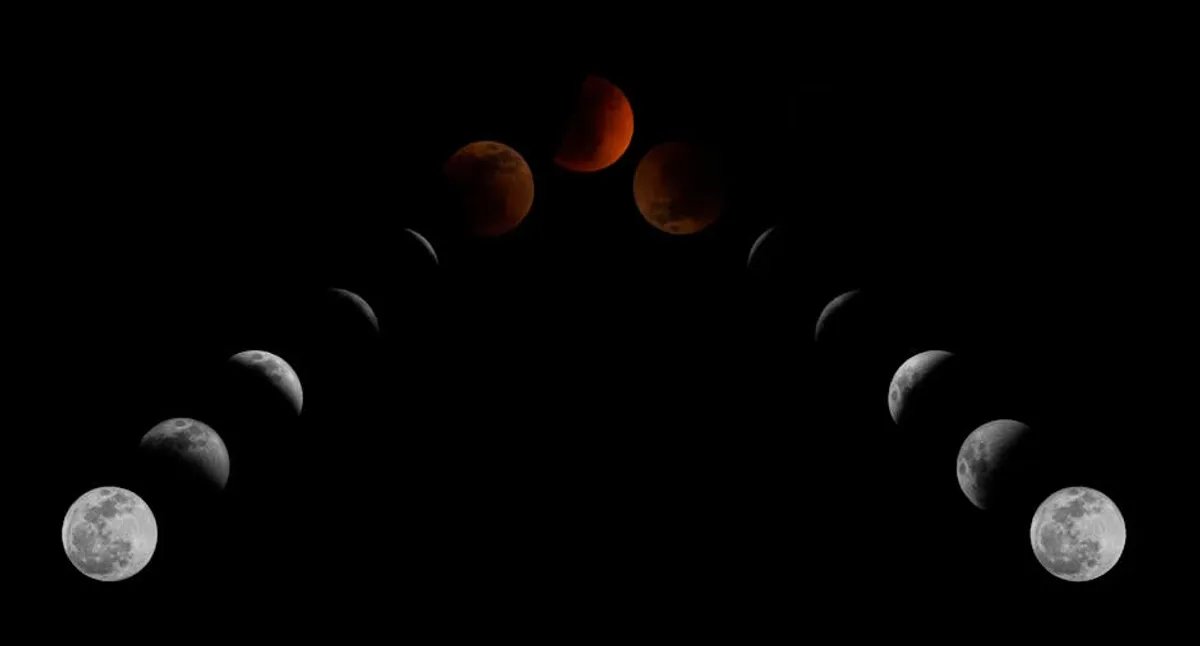
A Lunar Eclipse occurs during a Full Moon when the Earth passes directly between the sun and moon, casting a shadow. Energetically, eclipses are considered powerful times of accelerated change, unexpected revelations, and profound shifts. For introverts, a Lunar Eclipse can bring intense emotional processing and a push towards significant personal transformation. It’s a period for deep reflection on what needs to be released or transformed, often bringing hidden truths to light.
Best For: Profound introspection, releasing long-held patterns, unexpected breakthroughs, deep emotional clearing, re-evaluating life paths, embracing significant personal change, accepting new perspectives.
Pros:
- Accelerates processes of change and transformation.
- Brings hidden truths and emotional blocks to the surface for resolution.
- Supports deep release and clearing of old energies.
- Offers opportunities for significant personal growth and re-alignment.
Cons:
- Can be emotionally turbulent and disorienting.
- May bring unexpected challenges or revelations that require immediate attention.
- Not a time for initiating new projects; focus is on release and transformation.
Verdict: A Lunar Eclipse provides introverts with an intense, accelerated period for profound personal transformation, demanding courage to confront hidden truths and release what no longer serves their authentic self.
Integrating Lunar Rhythms into Your Introvert Routine
Aligning with lunar phases is not about strict adherence but about cultivating self-awareness and leveraging natural energies. Begin by observing your own energy levels and moods throughout a full lunar cycle. Keep a journal to track how you feel, what activities energize or drain you, and how these correlate with the moon's visible phase. This personal data is invaluable for customizing your routine. For instance, if you consistently find yourself needing more rest during the Waning Crescent, consciously schedule lighter work and more self-care during that period. Conversely, if the Waxing Gibbous consistently brings a surge of focused energy, dedicate that time to detailed project work. The goal is to create a flexible framework that supports your intrinsic needs as an introvert, rather than imposing rigid rules. Consider incorporating small rituals that resonate with each phase: New Moon intentions, Full Moon gratitude, Last Quarter decluttering. These small, consistent actions reinforce your connection to the cycle and your commitment to personalized well-being.
Frequently Asked Questions
Q: Do I need to be an astrologer to use moon phases for my routine?
A: No, absolutely not. The core concept is simply recognizing the general energetic shifts associated with the moon's visibility. You don't need complex astrological charts; just a basic understanding of the New, Waxing, Full, and Waning phases is sufficient to start.
Q: How quickly will I notice a difference in my energy by following moon phases?
A: The impact varies per individual. Some people are highly sensitive and may notice shifts within one or two cycles. For others, it might take a few months of consistent observation and practice to discern clear patterns. Consistency in tracking your responses is key.
Q: Can I still be productive during "rest" phases like the Waning Crescent?
A: Yes, productivity isn't solely about outward action. During rest phases, productivity can mean deep introspection, creative ideation, problem-solving in dreams, or simply recharging your mental and emotional batteries. This internal work is crucial for sustainable external productivity in later phases.
Q: What if my work schedule doesn't allow for aligning with moon phases?
A: Focus on small adjustments. Even dedicating 15-30 minutes each day to an activity aligned with the current moon phase can make a difference. For example, use a New Moon lunch break for journaling or a Waning Crescent evening for quiet reflection instead of a demanding social call. Flexibility and adaptation are key.
Q: Is this only for spiritual or "woo-woo" people?
A: Not at all. While lunar cycles are integral to many spiritual practices, the underlying principle is rooted in observing natural rhythms and their potential influence on human energy and mood. It can be approached as a secular self-management tool, similar to understanding circadian rhythms or seasonal affective disorder, without any spiritual connotation if preferred.