Organizing a family movie night extends beyond simply choosing a film; it involves curating an experience that fosters connection, entertainment, and lasting memories. For families navigating busy schedules and diverse preferences, the challenge lies in selecting an approach that resonates with everyone, balancing ease of execution with maximum impact. This guide explores various movie night concepts, detailing their unique benefits, logistical considerations, and suitability for different family dynamics, enabling you to consistently deliver engaging and memorable cinematic evenings at home.
Key Elements of a Memorable Family Movie Night
A truly successful family movie night is built on more than just screen time. Consider these foundational elements to elevate any viewing experience:
- Atmosphere: The physical environment plays a crucial role. Dimming lights, arranging comfortable seating, and minimizing distractions create an immersive setting.
- Snacks and Refreshments: Beyond simple popcorn, themed treats or a dedicated snack bar can significantly enhance the experience, catering to various tastes and dietary needs.
- Engagement: Active participation, whether through themed activities, pre-movie discussions, or interactive viewing elements, transforms passive watching into a shared event.
- Comfort: Ensuring everyone is physically comfortable with blankets, pillows, and ample space prevents discomfort from detracting from the enjoyment.
- Flexibility: While planning is beneficial, maintaining flexibility allows for spontaneous adjustments based on mood, energy levels, and unexpected preferences, ensuring the night remains enjoyable for all.
1. The Classic Cinema Experience
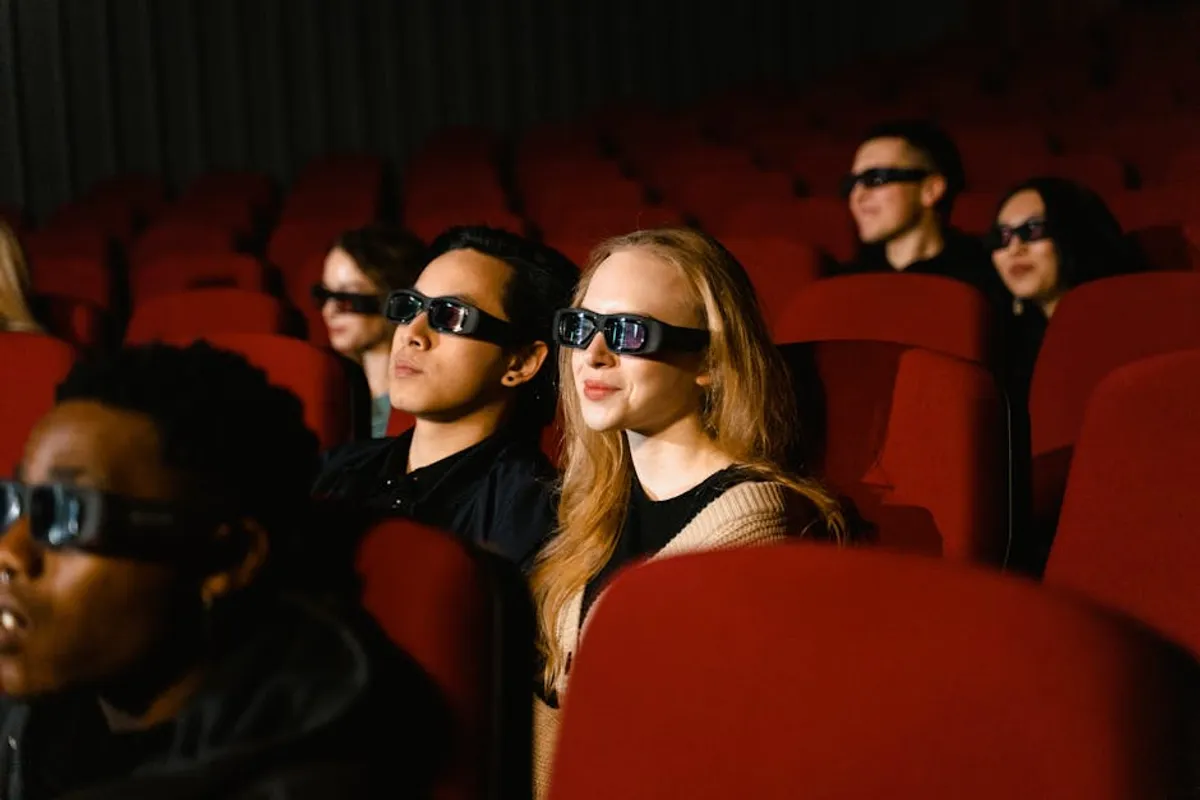
This approach replicates the traditional movie theater outing within the comfort of your home, focusing on familiar elements that evoke nostalgia and excitement. It prioritizes simplicity and comfort, making it an accessible option for regular family entertainment. The core components include a dedicated viewing area, classic movie snacks, and minimal distractions, aiming to deliver a straightforward yet satisfying cinematic event without the complexities of external venues.
Best for: Families seeking a reliable, low-stress movie night that consistently delivers comfort and familiarity. It's ideal for younger children who appreciate routine or for evenings when extensive preparation is not feasible.
Pros:
- Ease of Execution: Requires minimal setup beyond basic snack preparation and screen arrangement, making it highly reproducible.
- Cost-Effective: Significantly cheaper than cinema tickets, allowing for more frequent movie nights.
- Comfort and Convenience: Enjoy films from your own sofa, with immediate access to restrooms and personalized comfort settings.
- Timeless Appeal: The combination of popcorn, a good movie, and family company holds universal appeal across generations.
Cons:
- Lack of Novelty: Can become routine without additional elements, potentially leading to diminished excitement over time.
- Potential for Distraction: The home environment can present more opportunities for interruptions compared to a dedicated cinema.
- Limited Immersion: Without specialized equipment, the audio-visual experience may not match a commercial theater.
Verdict: The Classic Cinema Experience serves as a foundational movie night option, offering consistent comfort and affordability. Its strength lies in its simplicity and broad appeal, making it a reliable choice for regular family engagement. While it may lack the unique flair of more elaborate themes, its accessibility ensures frequent opportunities for family bonding.
2. Themed Movie Night
This approach elevates a standard movie viewing into an immersive event by centering the entire experience around a specific film genre, franchise, or cultural concept. It involves coordinating elements like food, decorations, and even attire to match the chosen theme, creating a cohesive and memorable atmosphere beyond just the screen content. The goal is to deepen engagement and transform passive viewing into an active, participatory event.
Best for: Families seeking to add an extra layer of creativity and engagement to their movie nights, particularly those with children who enjoy imaginative play or have strong preferences for certain movie types (e.g., superheroes, princesses, space adventures). It's ideal for celebrating special occasions or making a regular night feel extraordinary.
Pros:
- Enhanced Engagement: The thematic elements encourage active participation from all family members in planning and execution, fostering a sense of shared ownership.
- Creative Outlet: Provides opportunities for DIY decorations, costume creation, and themed snack preparation, stimulating creativity.
- Memorable Experience: The unique nature of a themed night often leads to stronger, more lasting family memories compared to a standard movie viewing.
- Variety and Novelty: Prevents movie nights from becoming monotonous by introducing new concepts and challenges regularly.
Cons:
- Increased Preparation Time: Requires significant planning for decorations, food, and activities, which can be time-consuming.
- Potential for Added Cost: Themed items, special ingredients, or craft supplies can increase the overall expense compared to a spontaneous movie night.
- Logistical Complexity: Coordinating multiple elements can be challenging, especially for larger families or intricate themes.
Verdict: A themed movie night offers a rich, immersive experience that transcends simple viewing, making it highly effective for families prioritizing creativity and memorable engagement. While demanding more upfront effort and potential cost, the payoff in unique family bonding and sustained interest is substantial, justifying the investment for special occasions or a periodic refresh of routine.
3. Outdoor Movie Night
An outdoor movie night transforms a backyard, patio, or even a large balcony into a unique open-air cinema. This setup typically involves a projector, a screen (or a plain wall), and comfortable outdoor seating. It leverages the natural environment to create a distinctive ambiance, offering a change of scenery from typical indoor viewing and adding an element of adventure, especially during warmer months. The experience often includes string lights, blankets, and bug repellent to manage the outdoor setting.
Best for: Families with access to suitable outdoor space and a desire for a novel, seasonal movie experience. It's particularly appealing for summer evenings, birthday parties, or casual gatherings where a relaxed, festival-like atmosphere is desired.
Pros:
- Novelty and Excitement: The outdoor setting provides a unique and memorable viewing experience distinct from indoor options.
- Spacious Environment: Offers more room for movement, comfortable lounging, and accommodating larger groups.
- Atmospheric Appeal: Combines the film with natural sounds, fresh air, and starry skies, enhancing the overall sensory experience.
- Relaxed Vibe: Encourages a more casual and laid-back atmosphere, allowing for conversation and movement during the film.
Cons:
- Weather Dependent: Highly susceptible to rain, wind, and temperature fluctuations, requiring backup plans.
- Equipment Investment: Requires a projector, screen, and potentially outdoor speakers, which can be a significant initial cost.
- Technical Setup: Involves more complex setup for power, audio, and screen placement compared to indoor viewing.
- Pest Management: Mosquitoes and other insects can be a nuisance, necessitating preventative measures.
Verdict: An outdoor movie night delivers a highly distinctive and enjoyable experience, capitalizing on good weather and open space. While it demands investment in equipment and careful planning for environmental factors, the unique ambiance and memorable quality make it a standout option for special occasions or seasonal traditions.
4. Build-Your-Own-Fort Movie Night
This concept transforms the living room or bedroom into an imaginative, cozy hideaway using blankets, pillows, chairs, and other household items. The fort becomes the central viewing hub, creating an intimate, playful, and secure environment for watching a film. The emphasis is on the collaborative building process and the subsequent enjoyment of the custom-made space, fostering creativity and a sense of shared accomplishment before the movie even begins.
Best for: Families with younger children who thrive on imaginative play and enjoy hands-on activities. It's particularly effective for creating a sense of adventure and comfort on a rainy day or during colder months.
Pros:
- Highly Engaging: The fort-building process is an activity in itself, encouraging teamwork and creativity before the movie starts.
- Cost-Free: Utilizes existing household items, requiring no additional financial outlay.
- Cozy and Intimate: Creates a unique, enclosed space that feels special and secure, enhancing the viewing experience.
- Promotes Creativity: Children can design and construct their own viewing environment, fostering a sense of ownership.
Cons:
- Time-Consuming Setup: Building a sturdy and comfortable fort can take a significant amount of time and effort.
- Space Limitations: The size and stability of the fort depend on available materials and room, potentially limiting comfort for adults or larger families.
- Potential for Mess: Disassembling the fort can lead to a temporary mess of blankets and pillows.
- Variable Comfort: Achieving consistent comfort within a makeshift fort can be challenging.
Verdict: The Build-Your-Own-Fort Movie Night is an excellent, cost-effective way to inject creativity and adventure into family entertainment. Its primary value lies in the shared building experience and the unique, cozy atmosphere it creates, making the movie night feel truly special, especially for families with younger children who value imaginative play.
5. Dinner and a Movie
This idea integrates the meal preparation directly with the movie theme, transforming a regular dinner into a cohesive part of the entertainment. Instead of just eating before or during the film, the menu is specifically designed to complement the movie's setting, characters, or plot. This could range from making pizza for a movie set in Italy to crafting "space food" for a sci-fi adventure, adding a sensory and interactive dimension to both dining and viewing.
Best for: Families who enjoy cooking together and appreciate a holistic, immersive experience. It's particularly suitable for older children or those interested in culinary exploration, offering a way to extend the movie's theme beyond the screen.
Pros:
- Enhanced Immersion: Food directly related to the movie deepens the thematic experience and appeals to multiple senses.
- Family Collaboration: Meal preparation becomes a shared activity, fostering teamwork and culinary skills.
- Educational Opportunity: Can introduce children to new cuisines or cultural dishes related to the film's setting.
- Full Evening Activity: Combines dinner and entertainment, streamlining the evening's schedule into a single, cohesive event.
Cons:
- Increased Preparation Time: Planning and cooking a themed meal requires significantly more time and effort than simple snacks.
- Potential for Added Cost: Specific ingredients for themed dishes might be more expensive or require special sourcing.
- Complexity: Coordinating meal timing with movie start times and managing kitchen cleanup can add logistical challenges.
- Dietary Restrictions: Themed meals might be harder to adapt for diverse dietary needs or picky eaters within the family.
Verdict: Dinner and a Movie offers a highly engaging and sensory-rich experience, effectively merging culinary and cinematic enjoyment. While it demands more time and effort in the kitchen, the unique thematic integration and opportunities for family collaboration make it a rewarding option for families seeking a deeper, more interactive form of entertainment.
6. Interactive Movie Night
An interactive movie night moves beyond passive viewing by incorporating activities that directly engage the audience with the film's content. This can include sing-alongs for musicals, trivia games during or after the movie, dressing up as characters, or even creating custom bingo cards related to common movie tropes. The goal is to encourage active participation, discussion, and playful engagement, transforming the viewing into a dynamic group activity.
Best for: Energetic families who enjoy games, performance, and lively discussions. It's particularly suitable for movies with clear themes, iconic lines, or musical numbers that lend themselves to audience participation.
Pros:
- High Engagement: Actively involves all family members, preventing disinterest and fostering lively interaction.
- Enhanced Memory: The interactive elements create stronger, more distinct memories of the movie night.
- Promotes Discussion: Trivia and character analysis encourage critical thinking and shared interpretation of the film.
- Customizable: Activities can be tailored to the specific movie, age group, and family preferences, ensuring relevance.
Cons:
- Requires Preparation: Developing trivia questions, bingo cards, or costume ideas takes time and creativity.
- Potential for Distraction: Overly interactive elements might detract from the film's narrative for some viewers.
- Not for All Movies: Some films, particularly serious dramas or suspense thrillers, are not well-suited for interactive formats.
- Energy Levels: Requires a certain level of energy and willingness to participate from all family members.
Verdict: An Interactive Movie Night is an excellent way to inject energy and shared activity into family viewing, making the experience more dynamic and memorable. While it demands upfront planning and may not suit every film genre or family mood, its capacity to foster active engagement and discussion makes it a highly effective option for playful and social families.
7. Double Feature Marathon
This concept involves watching two related films back-to-back, creating an extended cinematic journey. The films can be sequels, prequels, movies by the same director, films with a shared theme, or even two distinct movies that offer interesting comparisons. The marathon format deepens engagement with a particular story arc or cinematic universe, providing a more comprehensive viewing experience than a single film. It often includes an intermission for stretching, snacks, and discussion.
Best for: Families with older children or teenagers who have longer attention spans and a keen interest in specific film series or genres. It's ideal for weekends or holidays when extended viewing time is available.
Pros:
- Deeper Immersion: Allows for a more thorough exploration of a story, characters, or cinematic universe.
- Extended Entertainment: Provides a full afternoon or evening of structured family activity.
- Fosters Discussion: Offers ample material for comparison, analysis, and discussion between films.
- Value for Time: Maximizes the impact of setting up for movie night by extending the viewing duration.
Cons:
- Longer Commitment: Requires a significant time investment, which may be challenging for younger children or busy schedules.
- Attention Span: Maintaining focus through two full-length films can be difficult for some family members.
- Fatigue: Extended screen time can lead to eye strain or general tiredness.
- Film Selection: Requires careful selection of two complementary films that maintain interest throughout.
Verdict: A Double Feature Marathon offers an immersive and extended cinematic experience, particularly appealing for families invested in specific film narratives. While demanding a longer time commitment and sustained attention, its ability to provide a comprehensive story arc and spark deeper discussion makes it a rewarding option for dedicated film enthusiasts.
8. Educational Movie Night
An educational movie night focuses on selecting documentaries, historical dramas, biographical films, or nature programs that offer learning opportunities alongside entertainment. The objective is to combine cinematic enjoyment with intellectual enrichment, sparking curiosity and facilitating discussions on various subjects. This approach often includes pre-movie context setting and post-movie conversation to reinforce the educational aspects.
Best for: Families looking to integrate learning into their leisure time, particularly those with school-aged children or teenagers. It's suitable for reinforcing school topics, exploring new interests, or fostering critical thinking skills.
Pros:
- Intellectual Enrichment: Provides opportunities to learn about history, science, culture, and current events in an engaging format.
- Stimulates Discussion: Educational content naturally leads to conversations, fostering critical thinking and shared understanding.
- Broadens Perspectives: Introduces family members to new ideas, places, and concepts they might not encounter otherwise.
- Productive Entertainment: Transforms screen time into a valuable learning experience, justifying the viewing duration.
Cons:
- Potential for Resistance: Some family members, especially children, might perceive "educational" as less fun than pure entertainment.
- Film Availability: Finding engaging and age-appropriate educational films can sometimes be more challenging than mainstream options.
- Pacing Differences: Documentaries or historical dramas can sometimes have a slower pace than typical narrative films, requiring more sustained attention.
- Requires Facilitation: To maximize educational value, parents may need to guide discussions or provide context.
Verdict: An Educational Movie Night effectively bridges entertainment with learning, offering a productive way to engage with screen content. While it may require careful film selection and active facilitation to maintain engagement, its capacity to broaden knowledge and spark meaningful discussions makes it a highly valuable option for intellectually curious families.
9. "Mystery" Movie Night
The "Mystery" Movie Night introduces an element of surprise by keeping the chosen film a secret until just before viewing. Family members might contribute to a curated selection of suitable movies, but the final pick is revealed only at showtime, often through a blind draw or a "reveal" ceremony. This concept builds anticipation and excitement, preventing pre-judgment based on genre or title and encouraging openness to new cinematic experiences.
Best for: Adventurous families who enjoy surprises and are open to watching a variety of films. It's ideal for breaking out of viewing ruts or for families where choosing a movie often leads to prolonged debate.
Pros:
- Builds Anticipation: The element of surprise creates excitement and curiosity leading up to the reveal.
- Encourages Openness: Family members are more likely to engage with a film they might not have chosen themselves, broadening their cinematic tastes.
- Reduces Conflict: Eliminates prolonged debates over movie selection, streamlining the decision-making process.
- Novelty Factor: The mystery aspect makes each movie night feel unique and special.
Cons:
- Potential Disappointment: A family member might genuinely dislike the chosen film, leading to a less enjoyable experience.
- Requires Trust: All participants must trust the curator's selection or the random draw process.
- Limited Control: Viewers have no direct input on the specific film being watched, which might be frustrating for some.
- Preparation Needed: Requires a pre-curated list of suitable films to ensure the mystery selection is appropriate for everyone.
Verdict: A "Mystery" Movie Night is an engaging way to introduce novelty and spontaneity, effectively resolving selection disputes while fostering openness to diverse films. While it carries the risk of occasional disappointment, the excitement generated by the unknown and the potential for discovering new favorites makes it a compelling option for families seeking a playful twist on their viewing routine.
10. International Film Night
This idea involves selecting a film from a country or culture different from your own, often accompanied by subtitles. The experience is enhanced by incorporating elements of that culture, such as preparing a simple dish from the region, learning a few phrases, or researching its geography and customs. This approach aims to broaden cultural understanding and global awareness through cinematic storytelling, offering a window into diverse perspectives and artistic styles.
Best for: Culturally curious families, those interested in global studies, or families seeking to expose children to diverse viewpoints. It's particularly suitable for older children and teenagers who can engage with subtitles and appreciate cultural nuances.
Pros:
- Cultural Enrichment: Provides exposure to different languages, customs, social norms, and artistic expressions.
- Broadens Perspectives: Helps family members develop a more global understanding and empathy for other cultures.
- Unique Cinematic Experience: Introduces diverse storytelling techniques and film aesthetics beyond mainstream local productions.
- Educational Opportunity: Can spark interest in geography, history, and international relations.
Cons:
- Subtitle Reliance: Requires constant reading, which can be challenging for younger children or those with reading difficulties.
- Pacing and Style Differences: International films may have different narrative paces or cinematic conventions that require adjustment.
- Accessibility: Finding age-appropriate and easily accessible international films can sometimes be more difficult.
- Potential for Discomfort: Some themes or cultural depictions might require parental guidance or discussion.
Verdict: An International Film Night offers a uniquely enriching experience, leveraging cinema as a tool for cultural education and global awareness. While subtitle reliance and stylistic differences may present initial hurdles, the profound benefits of broadened perspectives and exposure to diverse storytelling make it an invaluable option for intellectually adventurous families.
11. Retro Rewind Movie Night
A Retro Rewind Movie Night focuses on watching classic films from a specific decade or era, often accompanied by nostalgic elements from that period. This could involve dressing up in vintage attire, preparing snacks popular during that time, or playing music from the decade before the movie starts. The goal is to create a time-traveling experience, allowing families to explore cinematic history and cultural trends of the past, often introducing parents' childhood favorites to their children.
Best for: Families with a shared interest in history, pop culture, or parents eager to introduce their children to films from their own youth. It's particularly engaging for intergenerational bonding and sparking conversations about past eras.
Pros:
- Nostalgic Appeal: Creates a shared experience by revisiting films and cultural elements from a bygone era, often appealing to parents.
- Historical Context: Introduces children to classic cinema, fashion, music, and societal norms of different decades.
- Intergenerational Bonding: Provides a natural bridge for parents to share stories and experiences from their youth with their children.
- Unique Aesthetic: The vintage theme offers opportunities for creative decorations and attire, making the night visually distinctive.
Cons:
- Age Appropriateness: Some older films may contain outdated social norms or language that requires discussion or pre-screening.
- Film Availability: Accessing specific classic films can sometimes be challenging depending on streaming services or physical media.
- Pacing Differences: Older films often have different pacing and storytelling conventions that might not immediately