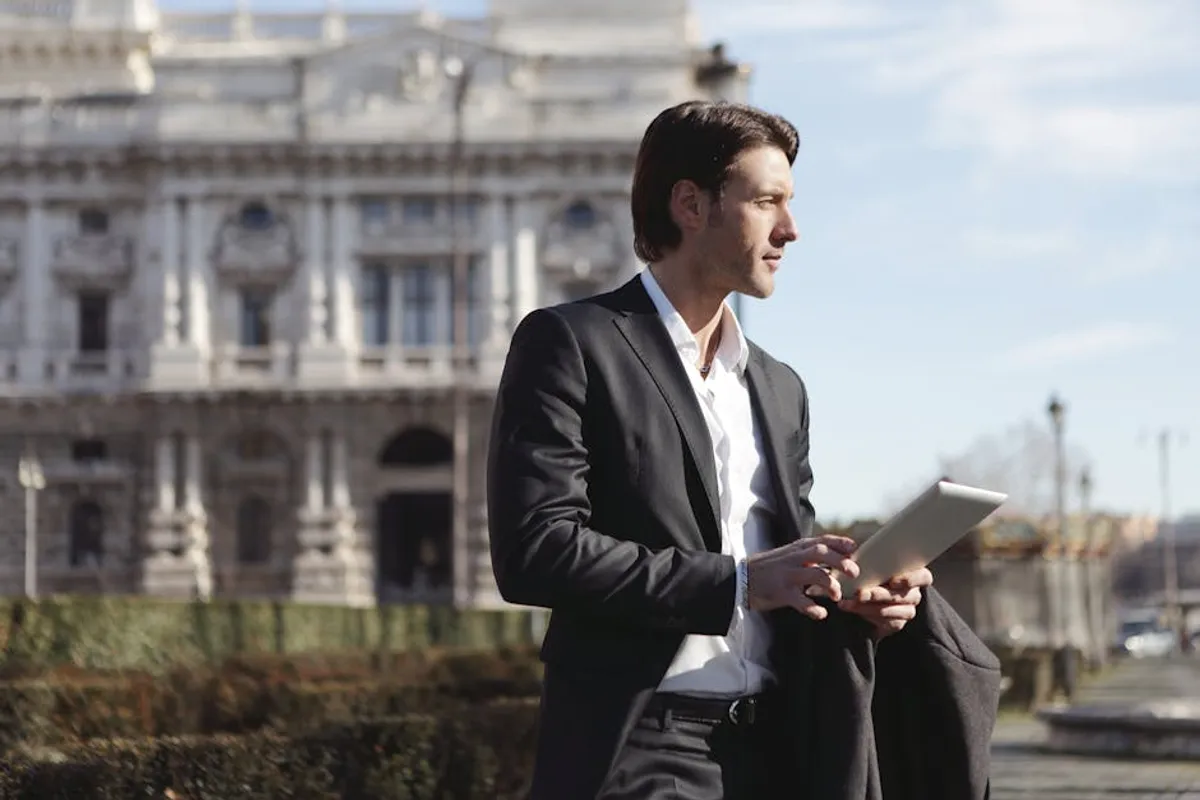
The shift to remote work fundamentally altered daily routines, extending beyond location to encompass personal presentation. For many, the traditional office dress code evaporated, replaced by a new challenge: cultivating a personal style that feels authentic, supports productivity, and remains appropriate for virtual interactions. This isn't about abandoning professionalism; it's about redefining it for an environment where comfort and focus are paramount, yet the need for clear communication and self-expression persists. Establishing a thoughtful remote work wardrobe is a strategic investment in both personal well-being and professional efficacy, influencing mood, confidence, and how one is perceived on camera.
What to Consider for Remote Work Style
Selecting an effective personal style for remote work demands a blend of practicality and personal expression. Prioritize garments that offer genuine comfort without sacrificing a polished appearance. Look for fabrics with stretch, breathability, and wrinkle resistance, which maintain their shape through extended wear and require minimal effort. Versatility is key; pieces that transition seamlessly from a video call to a casual outing or an evening at home maximize utility and reduce wardrobe clutter. Consider the visual impact of your choices on camera, favoring solid colors, subtle textures, and well-fitting silhouettes over busy patterns or overly casual items. Finally, ensure your chosen style reflects your personal brand and values, reinforcing confidence and authenticity in every interaction.
1. The Elevated Comfort Aesthetic
This style prioritizes luxurious comfort without descending into loungewear. It centers on soft, high-quality fabrics like cashmere blends, merino wool, modal, and Tencel, fashioned into relaxed yet refined silhouettes. Think wide-leg trousers in a soft knit, oversized cashmere sweaters, or tailored joggers paired with a silk-blend top. The focus is on tactile pleasure and fluid movement, ensuring all-day ease while projecting an air of understated elegance. Color palettes tend towards muted neutrals, allowing texture and drape to take center stage.
Best For: Professionals in creative fields, consultants, or anyone seeking to blend ultimate comfort with sophisticated presentation for virtual meetings and occasional in-person engagements.
Pros:
- Exceptional comfort for long periods of sitting.
- Maintains a polished, high-end appearance on camera.
- Versatile pieces that can be dressed up or down easily.
- Often features durable, long-lasting fabrics.
Cons:
- Higher initial investment due to premium materials.
- Requires careful fabric care to maintain quality.
- May not suit very formal virtual environments without specific layering.
Verdict: An ideal choice for those who value comfort as much as perceived professionalism, offering a refined aesthetic that feels as good as it looks.
2. The Minimalist Professional
The Minimalist Professional approach focuses on a curated wardrobe of foundational pieces in a cohesive, neutral color palette. Think crisp white shirts, tailored black or navy trousers, well-fitting blazers, and simple, high-quality knitwear. Each item is chosen for its versatility, allowing for numerous outfit combinations with minimal effort. Silhouettes are clean, structured, and timeless, emphasizing quality over quantity. Accessories are subtle and intentional, adding polish without distraction.
Best For: Corporate professionals, project managers, or those who value efficiency, a streamlined appearance, and a timeless, no-fuss approach to dressing.
Pros:
- Effortless mixing and matching, reducing decision fatigue.
- Always looks polished and put-together for video calls.
- Investment in fewer, higher-quality pieces.
- Promotes a calm, uncluttered personal brand.
Cons:
- Can feel restrictive for those who prefer more color or variety.
- Requires discipline to avoid impulse purchases.
- Might be perceived as too formal for very casual remote teams.
Verdict: A highly efficient and consistently professional style that projects competence and control, perfect for those who thrive on simplicity.
3. The Athleisure Hybrid
This style intelligently blends athletic wear with casual pieces to create a look that is both comfortable and presentable. It moves beyond basic sweatpants to incorporate performance fabrics and tailored activewear. Examples include structured knit blazers, high-quality leggings paired with oversized button-downs, stylish sneakers, and technical fabric hoodies. The key is balance: pairing one athletic item with a more conventional piece to elevate the overall impression. Focus on clean lines and modern cuts.
Best For: Tech professionals, fitness instructors, or individuals who prioritize physical activity and require maximum flexibility and comfort throughout their day.
Pros:
- Unparalleled comfort and freedom of movement.
- Easy transition from work to exercise or errands.
- Often features moisture-wicking and quick-drying properties.
- Modern and youthful aesthetic.
Cons:
- Can easily lean too casual if not carefully curated.
- Some items may not be suitable for highly formal virtual meetings.
- Requires attention to fit to avoid a sloppy appearance.
Verdict: A practical and contemporary choice for those whose remote work lifestyle seamlessly integrates activity, provided it's executed with intentionality and balance.
4. The Creative Casual
The Creative Casual style embraces individuality and personal expression while maintaining a professional edge. It often incorporates unique textures, patterns, and colors, allowing for a more artistic and less conventional appearance. Think well-fitting denim, statement knitwear, artisanal accessories, or pieces with interesting details like embroidery or unique cuts. The emphasis is on curated eclecticism, where each item feels chosen and intentional, rather than haphazard. Comfort remains a priority, but it's often expressed through soft, natural fabrics like linen, cotton, and wool.
Best For: Designers, artists, writers, or anyone in a creative industry where personal expression is valued and expected.
Pros:
- Allows for strong personal branding and individuality.
- Often incorporates comfortable, natural fibers.
- Can be highly engaging and memorable on video calls.
- Encourages a playful approach to dressing.
Cons:
- Can sometimes be perceived as less formal in traditional settings.
- Requires a keen eye for styling to avoid a disorganized look.
- May involve more time in outfit selection.
Verdict: An excellent option for those who want their clothing to reflect their unique perspective, balancing comfort with a distinctive visual narrative.
5. The Polished Practicalist
This style combines classic, durable pieces with a focus on functionality and ease of care. It's about selecting items that are well-made, versatile, and hold up to frequent wear and washing. Think wrinkle-resistant blends, machine-washable silks, sturdy cotton twills, and comfortable but structured denim. The aesthetic is clean, unfussy, and timeless, prioritizing utility without sacrificing a professional appearance. Capsule wardrobe principles often apply, ensuring every piece serves multiple purposes.
Best For: Busy parents, individuals with demanding schedules, or anyone who needs their wardrobe to perform reliably with minimal maintenance.
Pros:
- Low maintenance and easy to care for.
- Durable garments that withstand frequent use.
- Always looks put-together with minimal effort.
- Excellent value for money over time.
Cons:
- Can sometimes lack a strong "fashion-forward" element.
- May require upfront research to find truly practical yet stylish pieces.
- Color palettes can lean conservative.
Verdict: A smart, pragmatic choice for remote workers who need a reliable, professional wardrobe that seamlessly integrates into a busy lifestyle.
6. The Work-from-Anywhere Capsule
This approach focuses on building a compact, highly versatile wardrobe suitable for both remote work and travel. It emphasizes interchangeable pieces that can be mixed and matched to create numerous outfits for various occasions, from virtual meetings to client visits or personal trips. Key elements include wrinkle-resistant fabrics, neutral base colors with a few accent pieces, and multi-functional garments like convertible dresses or shirts. The goal is maximum utility with minimum luggage or closet space.
Best For: Digital nomads, frequent travelers, or remote workers who value flexibility and a highly organized, efficient wardrobe.
Pros:
- Extremely versatile and adaptable to different environments.
- Reduces decision fatigue and packing stress.
- Often features durable, travel-friendly fabrics.
- Promotes a minimalist and intentional approach to consumption.
Cons:
- Requires careful planning and initial investment.
- Limited variety can feel monotonous to some.
- May necessitate compromises on highly specialized garments.
Verdict: An incredibly efficient and liberating style for those whose work location is fluid, ensuring readiness for any professional or personal scenario.
7. The Intentional Loungewear
Moving beyond basic sweatpants, Intentional Loungewear elevates comfort to an art form. This style features coordinated sets made from premium, soft fabrics like organic cotton, bamboo, or silk blends, designed for both relaxation and a presentable appearance. Think matching knit trousers and sweaters, elegant tracksuits, or elevated robes worn over simple base layers. The lines are clean, the fit is relaxed but not sloppy, and the overall impression is one of deliberate comfort and self-care. These pieces are meant to be seen, even if only by your webcam.
Best For: Individuals who spend significant time at home, value deep comfort, and want to feel luxurious without compromising on a cohesive look.
Pros:
- Ultimate comfort for all-day wear.
- Coordinated sets provide an instant, effortless look.
- Often made from sustainable and breathable materials.
- Promotes a sense of calm and well-being.
Cons:
- Can be perceived as too casual for some formal virtual meetings.
- Higher price point for quality loungewear.
- Requires careful selection to avoid a pajama-like appearance.
Verdict: A sophisticated take on comfort, this style is perfect for those who want to feel pampered and put-together while working from their personal sanctuary.
8. The Smart Casual Hybrid
This style bridges the gap between traditional business attire and everyday casual wear. It involves pairing elements from both categories to achieve a balanced, adaptable look. Examples include dark-wash jeans with a blazer and a button-down shirt, chinos with a fine-gauge knit sweater, or a midi skirt with a stylish blouse and comfortable loafers. The emphasis is on well-fitting pieces and attention to detail, ensuring that even casual items appear elevated. It's about looking approachable yet professional.
Best For: Remote workers who frequently interact with clients or colleagues in varying degrees of formality, or those transitioning between remote and occasional office days.
Pros:
- Highly adaptable for various professional and social contexts.
- Offers a wide range of outfit combinations.
- Generally comfortable without sacrificing professionalism.
- Projects an image of modern competence.
Cons:
- Can be challenging to define precisely, leading to inconsistent outfits.
- Requires careful attention to fabric quality and fit.
- Risk of looking underdressed if elements are too casual.
Verdict: An excellent middle-ground option for remote workers needing versatility and a consistently polished, yet relaxed, professional image.
9. The Bohemian Comfort
The Bohemian Comfort style for remote workers embraces flowing silhouettes, natural textures, and earthy color palettes, prioritizing ease and artistic expression. It features items like loose-fitting tunics, linen dresses, wide-leg pants, and soft knit cardigans. Fabrics are typically natural—cotton, linen, hemp, or rayon—often with subtle patterns or handcrafted details. This style is about feeling unconstrained and connected to a relaxed, creative energy, while still appearing considered and intentional for virtual interactions.
Best For: Freelancers, artists, wellness professionals, or individuals who prefer a free-spirited aesthetic that aligns with a relaxed, home-based work environment.
Pros:
- Exceptional comfort due to loose fits and natural fabrics.
- Allows for strong personal expression and unique style.
- Often incorporates sustainable and ethically sourced garments.
- Creates a relaxed, approachable professional persona.
Cons:
- May be perceived as too informal for traditional corporate settings.
- Can sometimes appear unstructured if not styled carefully.
- Requires a specific aesthetic preference to execute well.
Verdict: A distinct and comfortable style for those whose work and personal brand thrive on creativity, authenticity, and a relaxed, natural vibe.
10. The Structured Softness
This style combines the best of both worlds: the comfort of soft, pliable fabrics with the visual polish of structured silhouettes. It incorporates items like unlined blazers in jersey or ponte knit, tailored trousers with elasticated waistbands, and structured knit tops. The key is to select pieces that offer the visual cues of traditional tailoring—sharp collars, defined shoulders, clean lines—but are crafted from materials that provide stretch, softness, and ease of movement. Color palettes are often sophisticated neutrals or deep jewel tones.
Best For: Remote workers who need to project authority and professionalism, but refuse to compromise on all-day comfort, ideal for leadership roles or client-facing positions.
Pros:
- Projects a highly professional and authoritative image.
- Offers significant comfort for extended wear.
- Versatile for both virtual and occasional in-person meetings.
- Many pieces are wrinkle-resistant and easy to maintain.
Cons:
- Can be a more expensive investment for quality pieces.
- Requires attention to fit to ensure the "structured" aspect is maintained.
- Limited availability of truly well-designed pieces in this niche.
Verdict: An advanced remote work style that masterfully blends executive presence with unparalleled comfort, ensuring confidence and ease throughout the workday.
11. The Tech-Savvy Chic
This style is characterized by modern, functional garments often made from innovative technical fabrics that offer comfort, durability, and a sleek aesthetic. Think performance chinos, merino wool sweaters, moisture-wicking shirts, and minimalist jackets. The look is clean, contemporary, and often features a monochromatic or muted color palette. It's about smart design, subtle details, and clothing that performs as well as it looks, aligning with a forward-thinking, efficient mindset.
Best For: Technology professionals, innovators, or anyone who appreciates cutting-edge materials and a streamlined, modern aesthetic that supports an active, connected lifestyle.
Pros:
- Utilizes advanced fabrics for comfort and performance.
- Often wrinkle-resistant, quick-drying, and odor-resistant.
- Projects a modern, intelligent, and efficient image.
- Highly durable and practical for daily wear.
Cons:
- Can sometimes lack traditional warmth or softness of natural fibers.
- Aesthetic might be too utilitarian for some preferences.
- Initial investment in technical garments can be higher.
Verdict: A highly functional and modern style for those who value innovation and efficiency in their wardrobe, mirroring their approach to work and life.
12. The Classic Adaptable
The Classic Adaptable style draws on timeless fashion principles, reinterpreted for the remote work environment. It features enduring pieces like well-fitting button-down shirts, tailored dark jeans or chinos, simple A-line skirts, and classic knit cardigans. The key is to select these items in comfortable, forgiving fabrics and slightly relaxed fits. The color palette is typically traditional—navy, gray, white, black, beige—allowing for easy mixing and matching. It's a reliable, consistently professional look that never goes out of style.
Best For: Individuals who prefer a traditional, trustworthy image, value longevity in their wardrobe, and appreciate an aesthetic that transcends trends.
Pros:
- Always looks appropriate and professional.
- Timeless pieces ensure longevity and value.
- Easy to build a cohesive wardrobe with minimal effort.
- Projects an image of reliability and experience.
Cons:
- Can sometimes feel uninspired or overly conservative.
- May require conscious effort to incorporate modern elements.
- Less scope for bold personal expression.
Verdict: A dependable and consistently polished style for remote workers who prioritize a classic, enduring professional image with built-in comfort.
How to Choose Your Remote Work Style
Selecting the best personal style for remote work involves self-reflection and practical assessment. Start by evaluating your daily tasks and interactions: how many video calls do you have, and with whom? What level of formality is expected in your industry? Consider your home environment: do you need clothes that can withstand spills, or do you prioritize delicate fabrics? Most importantly, reflect on how different types of clothing make you feel. Does a structured blazer boost your confidence, or does a soft knit help you focus? Build a core wardrobe around pieces that meet your comfort needs, align with your professional image, and genuinely make you feel good. Don't be afraid to experiment, combining elements from different styles to create a unique hybrid that perfectly suits your remote working life.
FAQ
Q: Do I really need a "personal style" for remote work if no one sees me?
A: While physical visibility may be limited, your personal style significantly impacts your mindset, productivity, and how you present yourself on video calls. Dressing intentionally can boost confidence, establish a routine, and mentally separate work from leisure, even when working from home.
Q: How can I make my remote work wardrobe more sustainable?
A: Focus on quality over quantity, investing in durable pieces from ethical brands. Prioritize natural and recycled fabrics. Embrace capsule wardrobe principles to maximize versatility and reduce consumption. Consider secondhand options and repair garments when possible.
Q: What are the essential items for a remote work wardrobe?
A: Core essentials often include comfortable yet presentable tops (knit sweaters, blouses, button-downs), versatile bottoms (tailored joggers, dark-wash jeans, comfortable trousers), a layering piece (cardigan, unlined blazer), and comfortable footwear. The exact items will vary based on your chosen style approach.
Q: How do I balance comfort and professionalism for video calls?
A: Focus on the upper half of your body, as that's what's visible. Choose tops with interesting necklines, subtle textures, or solid colors that photograph well. Pair them with comfortable bottoms. Ensure good lighting and a tidy background to complete a professional virtual presence.
Q: Should I dress differently for client-facing vs. internal calls?
A: Yes, adapting your style based on the audience is a smart strategy. For client-facing calls or important presentations, lean towards more polished and structured options. For internal team meetings, a slightly more relaxed but still intentional approach is usually acceptable, provided it aligns with your team's culture.