Developing a cohesive personal style for frequent travel presents a unique challenge: how to reconcile individual aesthetic preferences with the practical demands of varied climates, luggage restrictions, and constant movement. The goal isn't merely to look presentable, but to cultivate a wardrobe and overall approach that enhances the travel experience, minimizes decision fatigue, and reflects personal identity across diverse settings. This requires a deliberate assessment of priorities, balancing factors such as comfort, versatility, durability, and packability against the desire for self-expression. The ideal travel style streamlines preparation, simplifies life on the road, and ensures confidence in every destination, whether navigating a bustling city or exploring remote landscapes.
What to Look For in a Travel Style Approach
Selecting a personal style framework for travel involves more than just choosing clothes; it's about adopting a system that supports your travel habits and lifestyle. Consider these critical attributes:
- Versatility: Prioritize garments and accessories that serve multiple functions and can be mixed and matched across various outfits and occasions, transitioning seamlessly from day to night or casual to semi-formal.
- Durability and Quality: Frequent packing, unpacking, and washing demand items constructed from resilient materials with strong stitching. Longevity reduces the need for frequent replacements, offering better long-term value.
- Comfort: Extended periods of sitting, walking, and varying temperatures necessitate fabrics that breathe, stretch, and move with the body without constricting.
- Packability: Focus on lightweight, wrinkle-resistant materials that compress easily. This minimizes bulk and weight, adhering to luggage limits and simplifying transit.
- Climate Adaptability: An effective travel style incorporates layering strategies and transitional pieces that can be added or removed to suit fluctuating weather conditions, reducing the need for an entirely separate wardrobe for each climate.
- Ease of Maintenance: Opt for items that are machine washable, quick-drying, and require minimal ironing or special care, allowing for easier upkeep while away from home.
- Personal Expression: While practicalities are paramount, the chosen style should still allow for individual flair, ensuring you feel authentic and confident, rather than simply functional.
1. The Minimalist Capsule Wardrobe
This approach centers on curating a small, highly interchangeable collection of clothing items. The core principle is versatility, with each piece designed to pair with multiple others, often adhering to a cohesive color palette. The focus is on high-quality, foundational garments that can be dressed up or down, reducing the total number of items needed for extended trips.
Best for: Long-term travelers, digital nomads, those who prioritize light packing and efficiency, and individuals who prefer a streamlined aesthetic.
Pros:
- Significantly reduces luggage weight and volume, making travel more agile.
- Simplifies daily dressing decisions, saving time and mental energy.
- Encourages investment in durable, high-quality pieces with a longer lifespan.
- Adaptable to various climates through strategic layering.
Cons:
- Requires significant upfront planning and discipline in item selection.
- Limited variety in outfits, which may feel restrictive for some.
- Initial investment in versatile, high-quality items can be substantial.
- Less suitable for trips requiring highly specific or formal attire without additional pieces.
Verdict: An excellent framework for efficient, long-duration travel, provided the traveler commits to a disciplined selection process and values practicality over extensive sartorial options.
2. The Functional Explorer
The Functional Explorer prioritizes performance fabrics and practical design, often drawing inspiration from outdoor and adventure wear. This style integrates technical features like waterproofing, breathability, and quick-drying properties into everyday garments. The aesthetic leans towards rugged sophistication, blending utility with a polished, understated look suitable for both urban exploration and natural environments.
Best for: Adventure travelers, those frequently engaging in outdoor activities, and individuals who value durability and weather protection above all.
Pros:
- Exceptional durability and weather resistance, suitable for challenging conditions.
- High comfort levels due to ergonomic design and advanced fabric technology.
- Many items offer multi-functional utility, such as convertible pants or jackets with numerous pockets.
- Often features quick-drying and easy-care properties, simplifying laundry on the go.
Cons:
- Can appear overly casual in formal settings or high-fashion urban environments.
- Specific technical garments can be expensive.
- Aesthetics might be too uniform, limiting personal expression if not carefully curated.
- Fabrics can sometimes feel less luxurious or natural than traditional materials.
Verdict: Ideal for the active traveler who requires clothing to perform under varying conditions, offering robust protection and comfort without sacrificing a cohesive, albeit practical, look.
3. The Bohemian Wanderer
This style emphasizes comfort, natural textures, and a relaxed, free-spirited aesthetic. It incorporates loose-fitting garments, often made from natural fibers like linen, cotton, and hemp, with a focus on earthy tones, artisanal details, and global-inspired patterns. Layering is key, allowing for adaptability to different temperatures and cultural contexts, while maintaining a distinctive, artistic flair.
Best for: Creative travelers, those exploring cultural destinations, and individuals who prioritize comfort and a relaxed, expressive aesthetic.
Pros:
- High level of comfort due to loose fits and breathable natural fabrics.
- Allows for significant personal expression through unique patterns, textures, and accessories.
- Naturally blends into many global cultural landscapes, particularly in warmer climates.
- Layering facilitates adaptability to temperature changes.
Cons:
- Loose-fitting garments can sometimes take up more packing space.
- Natural fibers may wrinkle easily, requiring more care or tolerance for a relaxed look.
- May not be suitable for formal business travel or extremely cold environments.
- Some delicate artisanal pieces may require special handling or washing.
Verdict: A compelling choice for travelers seeking comfort and a distinct, culturally-sensitive aesthetic, particularly effective in warmer, more relaxed destinations where a polished look isn't paramount.
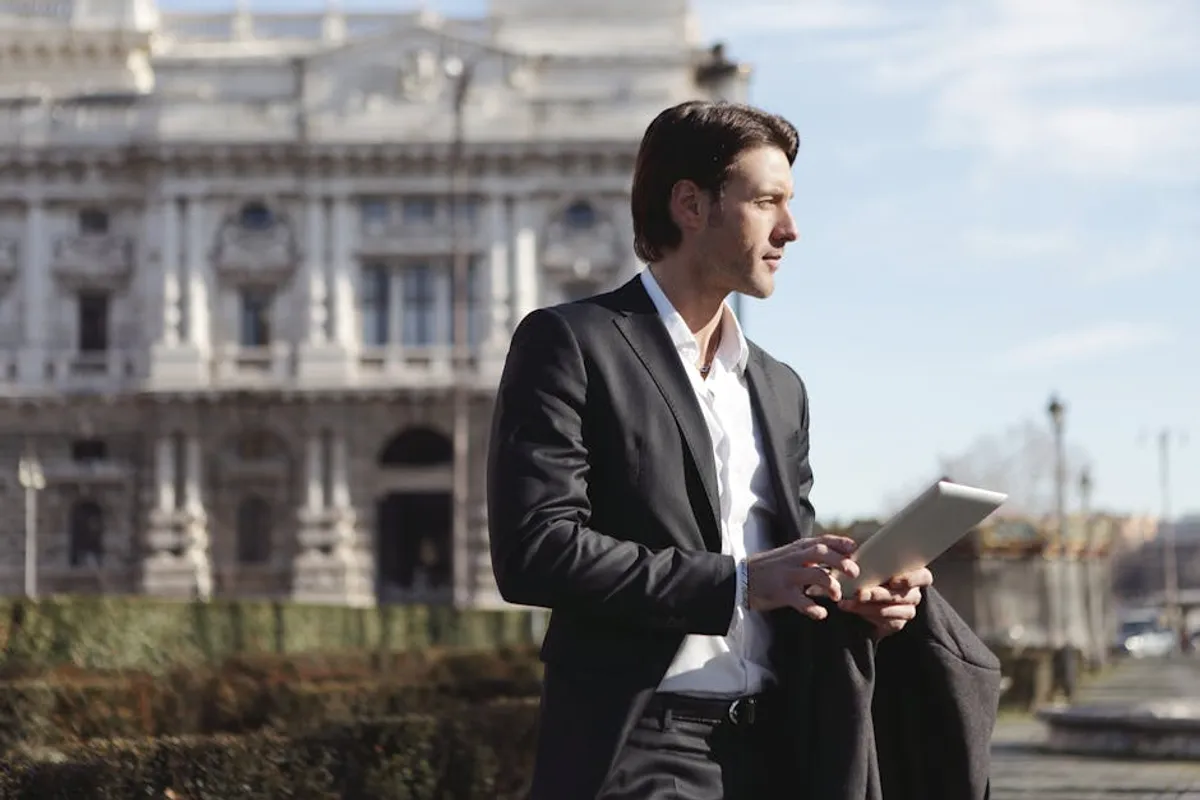
4. The Urban Chic Nomad
The Urban Chic Nomad blends sophistication with practicality, focusing on tailored, versatile pieces that transition effortlessly from city exploration to business meetings or upscale dining. The palette often includes neutrals with strategic pops of color, emphasizing clean lines, quality fabrics, and smart accessories. The goal is to look polished and put-together in any metropolitan setting, often with a minimalist edge.
Best for: Business travelers, city explorers, and those who frequently move between professional and leisure activities in urban environments.
Pros:
- Presents a consistently polished and professional image, suitable for diverse urban occasions.
- Focus on quality fabrics and tailoring ensures durability and a sophisticated appearance.
- Strategic layering and interchangeable pieces maximize outfit options with minimal items.
- Often incorporates wrinkle-resistant and stretch fabrics for comfort during transit.
Cons:
- Requires a higher initial investment in well-made, tailored garments.
- Less suitable for rugged outdoor adventures or extremely casual settings.
- Packing can be more challenging with structured items that may wrinkle or take up space.
- Requires careful selection to ensure comfort for extensive walking or touring.
Verdict: An excellent strategy for the traveler whose journeys frequently involve urban centers and a need to maintain a refined, professional, or fashion-forward appearance.
5. The Resort-Ready Aficionado
This style is characterized by lightweight, breathable fabrics, vibrant colors, and relaxed silhouettes designed for warm-weather destinations. Think linen shirts, flowy dresses, stylish swimwear, and comfortable sandals. The emphasis is on ease, comfort, and an aesthetic that evokes vacation and leisure, often with a touch of elegance suitable for resort environments and coastal towns.
Best for: Beach vacations, cruise travel, tropical getaways, and individuals who primarily travel to warm, sunny destinations.
Pros:
- Optimized for comfort in hot and humid climates with breathable fabrics.
- Creates a relaxed, vacation-appropriate aesthetic that enhances the travel experience.
- Often features quick-drying materials suitable for water activities.
- Garments are typically lightweight and easy to pack.
Cons:
- Limited versatility for cooler climates or formal urban environments.
- Some resort wear can be delicate or require hand washing.
- May not be appropriate for cultural sites requiring more conservative dress.
- Can lead to overpacking if not disciplined, given the abundance of light items.
Verdict: Perfectly suited for leisure travel to warm destinations, offering maximum comfort and a stylish, relaxed appearance, though its utility is limited outside of these specific contexts.
6. The Athleisure Traveler
The Athleisure Traveler seamlessly integrates athletic wear with everyday fashion, prioritizing comfort, stretch, and moisture-wicking properties. This style features elevated joggers, performance leggings, stylish sneakers, and technical fabrics that look polished enough for casual outings while providing the comfort needed for long flights or active days. It's about blending functionality with a contemporary, relaxed aesthetic.
Best for: Travelers who prioritize comfort above all, those with active itineraries, and individuals who appreciate a modern, casual look.
Pros:
- Unparalleled comfort for long periods of travel and activity.
- Fabrics often feature moisture-wicking, quick-drying, and odor-resistant properties.
- Many pieces are wrinkle-resistant and easy to care for.
- Offers a contemporary, on-trend aesthetic that is widely accepted in casual settings.
Cons:
- Can appear too casual for formal dining, business meetings, or upscale cultural events.
- Reliance on synthetic fabrics may not appeal to all, or be suitable for extremely hot climates.
- Over-reliance on athleisure can blur the lines between workout wear and everyday attire, requiring careful curation.
- Some performance pieces can be expensive.
Verdict: An excellent choice for travelers who value maximum comfort and practicality, especially suitable for active trips or long-haul journeys where ease of movement is paramount.
7. The Vintage-Inspired Jet-Setter
This style draws on classic silhouettes and timeless elegance from past decades, reimagined for modern travel. It involves incorporating well-chosen vintage pieces or contemporary items with a retro aesthetic. The focus is on quality fabrics, thoughtful details, and creating a distinct, sophisticated look that stands out without being overly trendy, often evoking a sense of glamorous old-world travel.
Best for: Travelers who appreciate classic aesthetics, enjoy unique fashion, and want to make a distinctive style statement.
Pros:
- Cultivates a unique and memorable personal style that stands apart from current trends.
- Often involves durable, well-constructed garments from previous eras.
- Encourages thoughtful curation and investment in timeless pieces.
- Can be highly versatile if classic silhouettes are chosen carefully.
Cons:
- True vintage pieces may require specialized care and can be delicate.
- Can be challenging to find travel-friendly vintage items (e.g., wrinkle-resistant, lightweight).
- May not be suitable for active or rugged travel due to fabric or construction limitations.
- Assembling a cohesive vintage travel wardrobe requires significant effort and sourcing.
Verdict: A distinctive and elegant choice for the traveler who views fashion as an integral part of their journey, provided they are willing to invest time in curation and care for their unique wardrobe.
8. The All-Weather Layering Expert
This approach is built around a modular system of layers, allowing for maximum adaptability to unpredictable weather conditions and varied climates. It typically involves a base layer for moisture-wicking, a mid-layer for insulation, and an outer shell for protection against wind and rain. The key is selecting lightweight, packable pieces that work together seamlessly, often in a neutral color palette.
Best for: Travelers visiting multiple climates on one trip, those traveling during shoulder seasons, and individuals who prioritize preparedness for any weather.
Pros:
- Exceptional adaptability to fluctuating temperatures and weather conditions.
- Maximizes the utility of each garment, reducing the total number of items needed.
- Often involves performance fabrics that are lightweight, quick-drying, and breathable.
- Provides comfort across a wide range of activities, from city walks to light hiking.
Cons:
- Requires careful planning to ensure layers are compatible and effective.
- Initial investment in high-quality technical layers can be significant.
- Can sometimes result in a more utilitarian or sporty aesthetic if not carefully styled.
- Managing multiple layers can feel cumbersome in very warm indoor environments.
Verdict: The most practical and efficient strategy for travelers facing diverse weather conditions, offering unparalleled comfort and protection through intelligent garment selection.
9. The Monochrome Maven
The Monochrome Maven commits to a single color palette, often black, white, grey, or a specific earth tone, for their entire travel wardrobe. This strategy simplifies packing and outfit coordination to an extreme degree. It relies on varying textures, subtle patterns, and strategic accessories to add depth and interest, ensuring a polished and cohesive look without effort.
Best for: Travelers who value extreme simplicity, sophisticated aesthetics, and effortless coordination, particularly for business or urban travel.
Pros:
- Eliminates decision fatigue and ensures every piece matches, simplifying packing and daily dressing.
- Creates a consistently sleek, sophisticated, and minimalist aesthetic.
- Allows for easy integration of new items into the existing wardrobe.
- Often makes a small wardrobe appear more extensive and cohesive.
Cons:
- Can feel restrictive in terms of color and variety for some individuals.
- Single-color palettes, especially light ones, can show stains more prominently.
- Requires careful selection of textures and accessories to avoid a monotonous look.
- May not stand out in vibrant, colorful cultural settings.
Verdict: An incredibly efficient and elegant solution for travelers who thrive on simplicity and a refined, understated aesthetic, ensuring a cohesive look with minimal effort.
10. The Accessory-Centric Stylist
This style focuses on a core of simple, versatile clothing items (often neutrals) that are dramatically transformed and personalized through the strategic use of accessories. Scarves, statement jewelry, belts, hats, and distinctive bags become the focal point, allowing a small clothing base to generate numerous distinct looks suitable for different occasions and destinations.
Best for: Travelers who enjoy expressing individuality through details, those with limited luggage space, and individuals who want to maximize outfit variety with minimal clothing.
Pros:
- Allows for significant style variation and personal expression with a small clothing base.
- Accessories are generally lightweight and take up less space than additional garments.
- Can elevate simple outfits to suit more formal or specific cultural contexts.
- Offers a cost-effective way to refresh a travel wardrobe without buying new clothes.
Cons:
- Requires careful selection of versatile and durable accessories.
- Some accessories (e.g., delicate jewelry, large hats) can be fragile or cumbersome to pack.
- Over-reliance on accessories can lead to a cluttered look if not thoughtfully curated.
- The core clothing items must be truly versatile and high-quality to support the approach.
Verdict: An intelligent strategy for maximizing style and individuality with minimal clothing, provided the traveler has a keen eye for accessory selection and coordination.
11. The Destination-Specific Dresser
This approach involves curating a wardrobe specifically tailored to the cultural norms, climate, and activities of each individual destination. Rather than a universal travel style, the focus is on researching and selecting garments that are perfectly suited for the context, ensuring respect for local customs and optimal comfort. This might mean conservative attire for religious sites, specific gear for adventure sports, or fashionable pieces for a particular city's style.
Best for: Travelers visiting culturally sensitive regions, those with highly varied itineraries, and individuals who prioritize cultural immersion and local integration.
Pros:
- Ensures cultural appropriateness and respect, facilitating smoother interactions.
- Optimizes comfort and practicality for the specific climate and activities of the destination.
- Allows for a truly authentic and immersive travel experience.
- Can lead to unique and memorable fashion choices that reflect the destination.
Cons:
- Requires extensive pre-trip research and planning for each destination.
- Can lead to more specialized packing and potentially less versatile items if not managed carefully.
- Less efficient for multi-destination trips with vastly different requirements.
- May require purchasing specific items for each trip, increasing cost and storage needs.
Verdict: While demanding in terms of planning, this strategy offers the most authentic and contextually appropriate style for travelers who deeply engage with their destinations.
12. The Comfort-First Fashionista
This style prioritizes ultimate comfort without sacrificing a polished or fashionable appearance. It relies on soft, stretchy, and luxurious fabrics, often with relaxed yet flattering silhouettes. The focus is on pieces that feel like loungewear but look elevated, incorporating modern cuts, interesting textures, and a sophisticated color palette. The aim is to feel as good as you look, especially during long travel days.
Best for: Travelers who prioritize physical comfort above all else, those with sensitive skin, and individuals who want to look effortlessly chic while feeling relaxed.
Pros:
- Provides exceptional comfort for all stages of travel, from transit to exploration.
- Often uses high-quality, soft, and breathable fabrics that feel luxurious against the skin.
- Many pieces are wrinkle-resistant and easy to wear for extended periods.
- Achieves a relaxed yet sophisticated aesthetic that is appropriate in many settings.
Cons:
- Can sometimes lean too casual for very formal events or business settings.
- High-quality comfort fabrics can be more expensive.
- May require careful selection to avoid looking too much like loungewear.
- Some very soft fabrics might be less durable than technical performance materials.
Verdict: An ideal choice for the traveler who refuses to compromise on comfort but still demands a stylish and put-together appearance, particularly for journeys where ease is paramount.
Choosing Your Ideal Travel Style
Selecting the optimal personal style for your travels is an iterative process that requires self-reflection and practical evaluation. Begin by analyzing your typical travel patterns: Are your trips short or long? Do you visit one climate or many? Are they primarily for leisure, business, or adventure? Your answers will dictate the necessary level of versatility, durability, and climate adaptability. Next, assess your personal priorities: Is comfort non-negotiable? Do you prioritize looking polished, or is blending in more important? Finally, consider your budget and maintenance preferences. An expensive wardrobe that requires dry cleaning on the road is impractical. Test different approaches on shorter trips to refine your system, focusing on what genuinely enhances your travel experience and aligns with your personal identity.
Frequently Asked Questions
How do I start building a travel-friendly wardrobe?
Begin by decluttering your existing wardrobe and identifying versatile pieces you already own. Invest in high-quality basics in neutral colors that can be mixed and matched. Focus on fabrics known for durability, wrinkle resistance, and quick-drying properties. Gradually add specific items that fill gaps based on your typical travel needs.
What are essential fabrics for travel?
Look for fabrics like merino wool (temperature regulating, odor-resistant), Tencel/Lyocell (soft, breathable, wrinkle-resistant), nylon and polyester blends (durable, quick-drying, often wrinkle-resistant), and stretch cotton or linen blends (comfortable, breathable, less prone to wrinkling than pure versions). Avoid pure linen or delicate silks if easy care is a priority.
How can I pack light without sacrificing style?
Adopt a capsule wardrobe approach by selecting