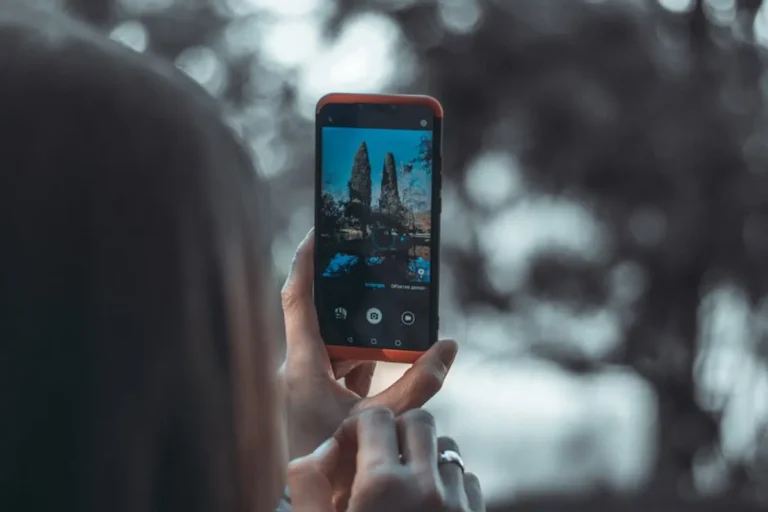
For individuals whose passion centers on exploration, the concept of self-care often intertwines with the act of travel itself. However, the unique demands of navigating new environments, managing logistics, and adapting to varied schedules can inadvertently introduce stressors that counteract the restorative intent of a journey. Effective self-care for travel lovers is not about abstaining from travel, but rather integrating intentional practices that mitigate potential burnout and enhance the overall well-being derived from experiences abroad or closer to home. This requires a proactive approach, moving beyond reactive measures to establish routines and mindsets that support mental, physical, and emotional health throughout the travel cycle – from planning and execution to post-trip integration.
Key Considerations for Integrating Travel Self-Care
When evaluating self-care approaches for travel, consider their adaptability, resource requirements, and long-term impact. An effective self-care idea should be flexible enough to integrate into diverse travel itineraries, from fast-paced city breaks to extended wilderness expeditions. Assess the time, financial, and cognitive resources each practice demands. High-maintenance routines may prove unsustainable when facing unexpected travel disruptions or limited access to specific amenities. Prioritize practices that offer sustainable benefits, contributing to a sense of equilibrium not just during the trip, but also in the lead-up and return. The most valuable self-care ideas are those that enhance the travel experience without becoming another item on a demanding itinerary, fostering genuine rejuvenation rather than additional pressure.
1. Mindful Travel Journaling
This self-care practice involves dedicated time for reflection and documentation, moving beyond simple itinerary tracking to capture sensory details, emotional responses, and personal insights. It can take the form of written entries, sketches, or even audio recordings, focusing on processing experiences rather than merely recounting events. The goal is to deepen engagement with the present moment and create a tangible record of personal growth and discovery during travel.
Best for: Individuals seeking deeper introspection, memory preservation, and emotional processing during and after their journeys. Particularly beneficial for solo travelers or those navigating significant cultural shifts.
Pros:
- Enhances observational skills and present-moment awareness.
- Provides an outlet for processing complex emotions or challenging experiences.
- Creates a rich, personal archive of memories and insights.
- Requires minimal equipment, often just a notebook and pen or a digital device.
Cons:
- Can feel like another task if not genuinely enjoyed or integrated mindfully.
- Requires dedicated, uninterrupted time, which can be scarce during busy travel.
- Some individuals may find the act of writing or reflecting tedious.
Verdict: A highly effective, low-cost self-care method for enriching the travel experience through personal reflection. Its utility depends heavily on an individual's natural inclination towards introspection and their ability to carve out consistent, quiet moments.
2. Pre-Trip Wellness Rituals
These are intentional practices implemented in the days or weeks leading up to departure, designed to reduce pre-travel stress, optimize physical health, and mentally prepare for the journey. This can include anything from organizing documents meticulously, ensuring adequate sleep, engaging in light exercise, or practicing relaxation techniques to mentally visualize a smooth trip. The focus is on establishing a calm and prepared state before the travel intensity begins.
Best for: Travelers prone to pre-trip anxiety, those with complex itineraries, or individuals aiming to hit the ground running upon arrival.
Pros:
- Significantly reduces pre-travel stress and anxiety.
- Promotes better sleep and physical resilience for the journey ahead.
- Ensures practical preparations (packing, documents) are handled without last-minute rush.
- Sets a positive mental tone for the entire trip.
Cons:
- Requires discipline and foresight to implement consistently.
- Can feel like an added chore if not framed as self-care.
- Benefits might not be immediately obvious, requiring trust in the process.
Verdict: A foundational self-care strategy that directly impacts the initial phase of travel. Its effectiveness lies in its preventative nature, mitigating common stressors before they escalate, thereby enhancing the overall enjoyment from the outset.
3. Digital Detox During Transit
This practice involves intentionally disengaging from screens and digital devices during travel time – flights, train rides, bus journeys, or even long walks. Instead of scrolling, travelers engage with their immediate environment, read physical books, listen to music, or simply observe. The aim is to reduce digital fatigue, foster mindfulness, and reclaim moments for genuine rest or contemplation often filled by automatic phone use.
Best for: Anyone experiencing digital overload, those seeking to reduce screen time, and travelers looking to maximize downtime for mental rest.
Pros:
- Reduces eye strain and mental fatigue associated with constant screen use.
- Encourages observation of surroundings and present-moment awareness.
- Provides opportunities for uninterrupted reading, thinking, or napping.
- Helps reset digital habits, potentially extending benefits beyond transit.
Cons:
- Can be challenging for those accustomed to constant digital connectivity for entertainment or work.
- May lead to boredom for individuals not comfortable with introspection or quiet.
- Requires discipline to resist the urge to check devices.
Verdict: A crucial self-care method in an increasingly connected world, offering tangible benefits for mental clarity and reducing travel-induced cognitive load. Its success hinges on a commitment to intentional disconnection, even for short periods.
4. Local Immersion & Connection
This self-care idea focuses on actively seeking out authentic local experiences and genuine human connections, moving beyond typical tourist attractions. This could involve dining at local eateries, attending community events, learning basic phrases of the local language, or engaging in conversations with residents. The intention is to foster a sense of belonging, broaden perspectives, and create more meaningful, less transactional interactions.
Best for: Culturally curious travelers, those seeking deeper understanding of destinations, and individuals who thrive on social interaction.
Pros:
- Enriches the travel experience with authentic cultural insights.
- Fosters a sense of connection and reduces feelings of isolation.
- Can lead to unexpected discoveries and unique memories.
- Promotes empathy and cross-cultural understanding.
Cons:
- Requires an open mind and willingness to step outside comfort zones.
- Language barriers can sometimes impede deeper connection.
- May involve navigating unfamiliar social norms, which can be challenging.
Verdict: A powerful self-care approach that transforms travel from consumption to contribution and connection. Its value lies in its ability to generate profound, lasting memories and a sense of shared humanity, counteracting the often superficial nature of mass tourism.
5. Post-Trip Re-entry Planning
This involves consciously preparing for the transition back to daily life after a trip, rather than letting the post-travel blues or logistical overwhelm set in. This can include scheduling a buffer day before returning to work, planning a simple first few meals, delaying laundry, or intentionally setting aside time to process and integrate travel memories. The goal is to ease the shock of re-entry and prolong the positive effects of the journey.
Best for: All travelers, especially those who experience significant "post-travel blues" or find returning to routine challenging.
Pros:
- Mitigates post-travel stress and overwhelm.
- Allows for gradual reintegration into daily routines.
- Helps preserve the positive mental state and energy gained from travel.
- Provides a structured way to process and appreciate the trip.
Cons:
- Requires foresight and discipline to plan ahead.
- May involve sacrificing an extra day of work or personal time upon return.
- Can be difficult to implement if travel schedules are rigid.
Verdict: An often-overlooked but critical self-care practice that extends the benefits of travel and prevents abrupt transitions from diminishing well-being. Its strategic implementation can significantly improve overall travel satisfaction and reduce stress upon returning home.
6. Movement & Outdoor Exploration
This self-care idea prioritizes incorporating physical activity and time in nature into travel itineraries. Instead of relying solely on transportation, travelers might opt for walking tours, hiking trails, cycling through cities, or simply finding a local park for a leisurely stroll. The emphasis is on active engagement with the environment, leveraging the physical and mental benefits of exercise and natural surroundings.
Best for: Active individuals, those who find rejuvenation in nature, and travelers looking to counteract sedentary travel periods.
Pros:
- Boosts physical health and energy levels.
- Reduces stress and improves mood through exposure to nature.
- Offers unique perspectives of a destination often missed by conventional transport.
- Can be a cost-effective way to explore.
Cons:
- Requires appropriate gear and consideration of weather conditions.
- May not be suitable for all physical abilities or time constraints.
- Can be challenging to integrate into very dense urban itineraries.
Verdict: A highly effective self-care method that combines physical well-being with immersive exploration. Its success lies in its ability to refresh both body and mind, offering a dynamic counterpoint to the often passive nature of travel.
7. Culinary Exploration as Self-Care
This practice reframes eating during travel from mere sustenance to an intentional act of sensory pleasure and cultural discovery. It involves seeking out authentic local cuisine, engaging with food markets, trying new flavors mindfully, and appreciating the social rituals around meals. The focus is on savoring experiences rather than consuming food, fostering a deeper connection to the destination through its gastronomic traditions.
Best for: Food enthusiasts, travelers open to new tastes, and those who appreciate cultural insights gained through culinary traditions.
Pros:
- Provides rich sensory experiences and cultural understanding.
- Can be a social activity, fostering connection with travel companions or locals.
- Offers a tangible way to engage with a destination's identity.
- Creates memorable and enjoyable moments.
Cons:
- Dietary restrictions or allergies can complicate exploration.
- Can be more expensive than self-catering or fast food options.
- Risk of digestive upset when trying unfamiliar foods.
Verdict: A deeply satisfying self-care practice that leverages a fundamental human need into a source of joy and cultural learning. Its efficacy relies on an adventurous palate and a willingness to embrace local culinary customs as part of the overall travel experience.
8. Dedicated Rest & Recharge Days
This involves intentionally scheduling entire days or significant blocks of time within a travel itinerary with no specific plans, allowing for spontaneous activities, relaxation, or simply doing nothing. This contrasts with the typical urge to maximize sightseeing and activities. The purpose is to prevent burnout, allow for physical recovery, and provide mental space for reflection or simply being present without pressure.
Best for: All travelers, especially those on extended trips, fast-paced itineraries, or individuals prone to over-scheduling.
Pros:
- Prevents travel fatigue and burnout.
- Allows for spontaneous discovery or simply enjoying the accommodation.
- Reduces the pressure to constantly "do" something.
- Enhances overall enjoyment and appreciation for the entire trip.
Cons:
- Can feel like "wasted" time for travelers with limited time or a strong fear of missing out (FOMO).
- Requires discipline to resist the urge to fill the day with activities.
- May be perceived as less "productive" by some travel companions.
Verdict: A critical self-care strategy that directly addresses the physical and mental demands of travel. Prioritizing dedicated rest days ensures sustainability of enjoyment, preventing a trip from becoming another source of exhaustion rather than rejuvenation.
9. Sensory Engagement Practices
This self-care idea focuses on intentionally tuning into the five senses to fully experience a new environment. This could involve actively listening to the sounds of a city, noticing the specific scents of a market, feeling the texture of ancient stones, or truly observing the colors and light of a landscape. It's about slowing down and using sensory input to ground oneself in the present moment, enhancing awareness and appreciation.
Best for: Mindful travelers, those seeking to deepen their connection with a place, and individuals looking to reduce mental chatter.
Pros:
- Deepens engagement with the immediate environment.
- Enhances memory formation through multi-sensory input.
- Acts as a grounding practice, reducing anxiety and overthinking.
- Requires no special equipment, only intentional focus.
Cons:
- Can be challenging in overly stimulating or unpleasant environments.
- Requires conscious effort to shift focus from thoughts to sensations.
- Might feel abstract or less "productive" to some individuals.
Verdict: A subtle yet powerful self-care method that transforms passive observation into active engagement. By intentionally tuning into sensory details, travelers can unlock a richer, more immersive experience and cultivate a profound sense of presence.
10. Skill-Building While Traveling
This practice involves integrating opportunities for learning a new skill or refining an existing one into a travel itinerary. Examples include taking a local cooking class, learning basic phrases of a new language, trying a traditional craft, or taking a photography workshop. The focus is on purposeful engagement that stimulates the mind, provides a sense of accomplishment, and offers a unique souvenir in the form of new knowledge or ability.
Best for: Lifelong learners, creative individuals, and travelers seeking more active and enriching experiences beyond passive sightseeing.
Pros:
- Provides a unique and memorable way to interact with local culture.
- Offers a sense of accomplishment and personal growth.
- Can lead to practical skills applicable beyond the trip.
- Breaks up sightseeing with engaging, hands-on activities.
Cons:
- Often involves additional cost and time commitment.
- Requires pre-planning and research to find suitable opportunities.
- Availability of desired classes/workshops can vary by destination.
Verdict: An enriching self-care approach that combines travel with personal development. Its value lies in fostering active engagement and creating lasting memories tied to tangible achievements, moving beyond purely observational tourism.
11. Curated Souvenir Selection
This self-care idea shifts the focus from accumulating generic trinkets to thoughtfully selecting meaningful mementos that genuinely represent a place, memory, or personal connection. This might involve purchasing local art, handmade goods, or items with a personal story, rather than mass-produced items. The process includes mindful searching, appreciating craftsmanship, and reflecting on the significance of each item, turning acquisition into a reflective practice.
Best for: Travelers who appreciate art and craftsmanship, those seeking tangible reminders of unique experiences, and individuals aiming to reduce clutter.
Pros:
- Creates a more meaningful connection to purchases and memories.
- Supports local artisans and economies.
- Reduces clutter and promotes intentional consumption.
- The act of searching can lead to unique discoveries.
Cons:
- Requires more time and discernment than impulse buying.
- Authentic items can be more expensive.
- May require navigating local markets or specialized shops.
Verdict: A mindful self-care practice that transforms shopping into a reflective, value-driven activity. By focusing on quality and meaning over quantity, travelers can bring home items that truly resonate, extending the positive feelings of their journey.
12. Reflective Photo Curation
Instead of merely snapping countless photos, this self-care practice involves intentionally taking fewer, more thoughtful images, and then dedicating time during or after the trip to review, select, and appreciate them. This isn't about professional editing, but about reliving moments, identifying what truly resonated, and intentionally processing the visual narrative of the journey. It helps to consolidate memories and reinforce positive experiences.
Best for: Visual learners, photography enthusiasts, and anyone seeking to deepen their appreciation for captured moments.
Pros:
- Enhances appreciation for captured memories.
- Reduces digital clutter from excessive, unreviewed photos.
- Encourages mindful photography, improving observational skills.
- Provides a structured way to revisit and process the trip visually.
Cons:
- Requires dedicated time for review and selection, which can be challenging post-trip.
- Some individuals may find the process tedious or prefer a more spontaneous approach.
- Can be difficult to implement if accustomed to rapid, uncurated photo taking.
Verdict: A valuable self-care method for transforming digital content into meaningful memory anchors. By consciously engaging with visual records, travelers can prolong the positive emotional impact of their journeys and create a more coherent personal narrative.
Optimizing Your Self-Care Approach on the Road
Integrating self-care into travel is an iterative process requiring flexibility and self-awareness. Begin by identifying your primary stressors associated with travel, whether they are logistical, social, or emotional. Select one or two self-care ideas that directly address these pain points. For instance, if pre-trip anxiety is significant, prioritize "Pre-Trip Wellness Rituals." If digital fatigue is common, implement "Digital Detox During Transit." Track your energy levels and mood throughout a trip where you apply these practices. Note specific instances where a chosen self-care method either alleviated stress or enhanced enjoyment. This qualitative feedback is crucial. Quantitatively, observe if you experience fewer moments of frustration, better sleep, or a more sustained positive outlook compared to previous trips without intentional self-care. The goal is not perfection, but consistent, incremental improvements in well-being. Adjust your chosen practices based on what genuinely resonates and provides tangible benefits, ensuring self-care remains an asset, not an obligation.
Frequently Asked Questions
How do I find time for self-care during a packed itinerary?
Prioritize short, high-impact activities. Even 15-30 minutes of mindful journaling, a brief walk, or a digital detox during a meal can make a significant difference. Consider self-care as integral to the trip's success, not an optional add-on, and schedule it like any other important activity.
What if my travel companions don't share my self-care priorities?
Communicate your needs clearly and respectfully. Suggest activities that can be done independently without disrupting the group's plans, such as an early morning walk or an hour of quiet reading. Frame it as necessary for your well-being, which ultimately benefits the group by ensuring you remain present and positive.
Can self-care during travel be expensive?
Many effective self-care practices, such as mindful walking, digital detox, or journaling, are free. Others, like local cooking classes, may involve a cost but offer significant value in terms of experience and skill-building. Prioritize practices that align with your budget and offer the greatest return on well-being.
How do I maintain self-care practices once I return home?
The "Post-Trip Re-entry Planning" idea is key here. Additionally, identify which travel self-care practices brought you the most peace or joy and explore how to adapt them to your daily routine. This could mean continuing a journaling habit, taking more walks, or consciously limiting screen time in the evenings.
Is self-care just about relaxation, or something more?
Self-care encompasses a broad range of activities aimed at maintaining physical, mental, and emotional health. While relaxation is a component, it also includes practices that promote growth, connection, and resilience. For travel lovers, it's about ensuring the journey remains a source of joy and enrichment, not exhaustion.