Introverts often seek weekend activities that offer genuine recharge without the draining demands of excessive social interaction. The goal is not merely to avoid people, but to engage in pursuits that foster deep focus, personal growth, and restorative solitude. Choosing the right activity means understanding your own energy levels, preferred engagement style, and what truly replenishes your mental and emotional reserves. This guide outlines specific activities designed to provide that essential quiet time, allowing for meaningful engagement with hobbies, learning, or simply peaceful introspection, rather than just filling time.
Crafting Your Ideal Introvert Weekend
Selecting the most suitable weekend activity for an introvert involves more than just picking a quiet option; it requires a deliberate assessment of personal needs and preferences. Consider these factors to ensure your chosen pursuit genuinely recharges you:
- Energy Investment: Evaluate how much mental and physical energy an activity demands. While some introverts thrive on deep, focused work, others need low-effort relaxation. Match the activity to your current energy reserves.
- Level of Engagement: Determine if you prefer passive consumption (reading, watching) or active creation (painting, writing). Both can be introverted, but one might be more satisfying depending on your mood.
- Opportunity for Flow State: Introverts often benefit from activities that allow them to enter a "flow state"—deep immersion where time seems to disappear. Look for pursuits that naturally encourage this focused concentration.
- Environmental Control: The ability to control your surroundings (noise, lighting, interruptions) is crucial. Home-based activities offer maximum control, while public ones require careful timing or selection of less crowded venues.
- Purpose and Outcome: Does the activity provide a sense of accomplishment, learning, or simple enjoyment? Activities with a clear purpose often feel more fulfilling than aimless wandering.
- Flexibility: The best introvert activities allow for self-pacing. You should be able to start, stop, or pause without external pressure, accommodating fluctuating energy levels or unexpected shifts in mood.
1. Deep Reading Sessions
Engaging with books, long-form articles, or academic papers provides a profound escape into different worlds or complex ideas without any social demands. This activity allows for sustained focus, intellectual stimulation, and emotional engagement on your own terms. It’s an ideal way to expand knowledge, explore fiction, or simply unwind by disconnecting from immediate reality.
Best for: Intellectual stimulation, escapism, quiet contemplation, and those seeking to deepen knowledge or explore narratives without external interaction.
Pros:
- Requires minimal external resources beyond the reading material.
- Highly flexible; can be done anywhere quiet, from a cozy armchair to a park bench.
- Promotes cognitive function and can reduce stress by shifting focus.
- Offers a wide range of genres and topics to match any interest or mood.
Cons:
- Can become isolating if it consistently replaces all other forms of engagement.
- Requires a quiet environment, which may be challenging in shared living spaces.
- Passive consumption, meaning no tangible output or physical activity.
Verdict: A foundational introvert activity for mental rejuvenation and personal enrichment, offering unparalleled depth and personal control over the experience.
2. Solo Nature Exploration
Hiking, birdwatching, or simply walking through a park or forest alone offers profound sensory engagement with the natural world. This activity provides physical movement, fresh air, and a calming environment, all while minimizing social obligations. It encourages observation, mindfulness, and a sense of connection to something larger than oneself, without the need for conversation.
Best for: Physical activity, stress reduction, mindfulness, and those who find solace and inspiration in natural settings away from crowds.
Pros:
- Boosts physical health and mental well-being through exercise and exposure to nature.
- Provides a natural setting for reflection and problem-solving without distraction.
- Low-cost and accessible in many urban and rural areas.
- Offers opportunities for photography or creative inspiration.
Cons:
- Weather-dependent, limiting options during adverse conditions.
- Requires some level of physical fitness depending on the terrain.
- Can feel less secure for some individuals depending on the location and time.
Verdict: An excellent choice for introverts who benefit from physical activity and environmental immersion, offering both restorative quiet and tangible health benefits.
3. Creative Arts & Crafts
Engaging in activities like painting, drawing, knitting, pottery, or creative writing allows for profound self-expression and focused concentration. These pursuits tap into creativity, offer a sense of accomplishment, and provide a direct outlet for internal thoughts and emotions. The process itself is often meditative, leading to a "flow state" that is deeply satisfying for introverts.
Best for: Self-expression, stress relief, skill development, and individuals who thrive on tactile engagement and producing tangible results.
Pros:
- Fosters deep concentration and can be highly meditative.
- Results in a tangible product, providing a sense of achievement.
- Offers a non-verbal outlet for emotions and ideas.
- Can be pursued with varying levels of skill and investment.
Cons:
- Requires an initial investment in materials and potentially space.
- Can lead to frustration if expectations for results are too high.
- Some crafts might require initial instruction, which could involve limited social interaction.
Verdict: A highly rewarding path for introverts seeking both creative release and focused, solitary engagement, yielding personal satisfaction and often a unique output.
4. Culinary Exploration (Cooking/Baking)
Dedicating time to cooking elaborate meals or baking complex recipes provides a structured, sensory, and rewarding activity. The process involves following instructions, experimenting with flavors, and engaging multiple senses. It culminates in a delicious outcome that can be enjoyed alone or shared on your own terms, offering a sense of mastery and immediate gratification.
Best for: Sensory engagement, skill acquisition, practical application, and those who enjoy a structured process with a delicious, tangible reward.
Pros:
- Develops practical life skills and culinary knowledge.
- Engages multiple senses and can be very meditative.
- Provides a nourishing outcome and a sense of accomplishment.
- Allows for experimentation and personalization of recipes.
Cons:
- Requires an investment in ingredients and kitchen equipment.
- Can be time-consuming, especially for complex recipes.
- Potential for mess and cleanup, which can detract from relaxation.
Verdict: An excellent choice for introverts who appreciate process, precision, and tangible results, offering both a creative outlet and practical benefits.
5. Online Learning & Skill Development
Enrolling in an online course, watching educational documentaries, or learning a new language through apps allows for self-paced intellectual growth. This activity provides structured learning without the pressure of classroom participation or group projects. It caters to curiosity, expands horizons, and offers a sense of progress through skill acquisition or knowledge mastery.
Best for: Intellectual curiosity, career development, personal growth, and introverts who prefer structured, self-directed learning.
Pros:
- Highly flexible; can be done at your own pace and schedule.
- Access to a vast array of subjects and expert instructors globally.
- Fosters a sense of accomplishment through skill acquisition or certification.
- Minimal social interaction, focusing purely on content absorption.
Cons:
- Requires self-discipline and motivation to complete courses.
- Can involve subscription fees for premium platforms or courses.
- Lacks the immediate feedback or networking opportunities of in-person classes.
Verdict: A powerful option for introverts driven by continuous learning and self-improvement, offering a private pathway to new knowledge and capabilities.
6. Single-Player Video Gaming
Immersing oneself in story-driven single-player video games (e.g., RPGs, puzzle games, simulation games) provides an engaging, interactive escape. These games offer complex narratives, strategic challenges, and opportunities for exploration and problem-solving within a controlled digital environment. The interaction is primarily with the game world and its systems, not other players, making it ideal for focused, solitary entertainment.
Best for: Escapism, problem-solving, narrative engagement, and those who enjoy interactive experiences without direct social pressure.
Pros:
- Offers deep immersion and can provide a strong sense of accomplishment.
- Provides a structured form of entertainment with clear goals and progression.
- Can be highly engaging, offering a break from real-world concerns.
- Many genres cater to different preferences, from puzzles to epic stories.
Cons:
- Requires an initial investment in hardware and game titles.
- Can be sedentary, limiting physical activity.
- Risk of excessive screen time, potentially affecting sleep or eye strain.
Verdict: An effective method for introverts to engage in stimulating, interactive entertainment that respects their need for solitary focus and controlled engagement.
7. Journaling or Reflective Writing
Dedicating time to journaling, writing poetry, or even drafting short stories offers a private space for introspection and self-expression. This activity helps organize thoughts, process emotions, and document experiences without external judgment. It’s a powerful tool for self-awareness, stress reduction, and creative exploration, all conducted in complete solitude.
Best for: Self-reflection, emotional processing, creative expression, and introverts who benefit from externalizing internal thoughts.
Pros:
- Promotes self-awareness and emotional regulation.
- Requires minimal resources (pen and paper or a digital device).
- Provides a safe, private space for personal exploration.
- Can lead to creative breakthroughs or problem-solving insights.
Cons:
- Can feel daunting to start for those unaccustomed to writing.
- May bring up uncomfortable emotions that require processing.
- Results are primarily internal, lacking external validation or output.
Verdict: A highly accessible and personally enriching activity for introverts seeking deeper self-understanding and a private outlet for their thoughts and feelings.
8. Gardening & Plant Care
Engaging with plants, whether tending an outdoor garden, caring for houseplants, or propagating new growth, provides a grounding and nurturing experience. This activity connects you with nature, offers a sense of purpose through caretaking, and involves gentle physical activity. It’s a quiet, meditative pursuit that yields visible results and fosters patience and observation.
Best for: Connection with nature, stress relief, nurturing, and introverts who enjoy hands-on, quiet work with a living outcome.
Pros:
- Provides a calming, meditative experience.
- Offers a tangible sense of accomplishment as plants grow and thrive.
- Can improve mood and reduce stress through interaction with nature.
- Involves gentle physical activity and fresh air if outdoors.
Cons:
- Requires an initial investment in tools, plants, and soil.
- Dependent on weather and seasonal cycles for outdoor gardening.
- Can be frustrating if plants struggle or fail to thrive.
Verdict: A deeply satisfying and restorative activity for introverts who appreciate the quiet cycles of nature and the tangible rewards of nurturing life.
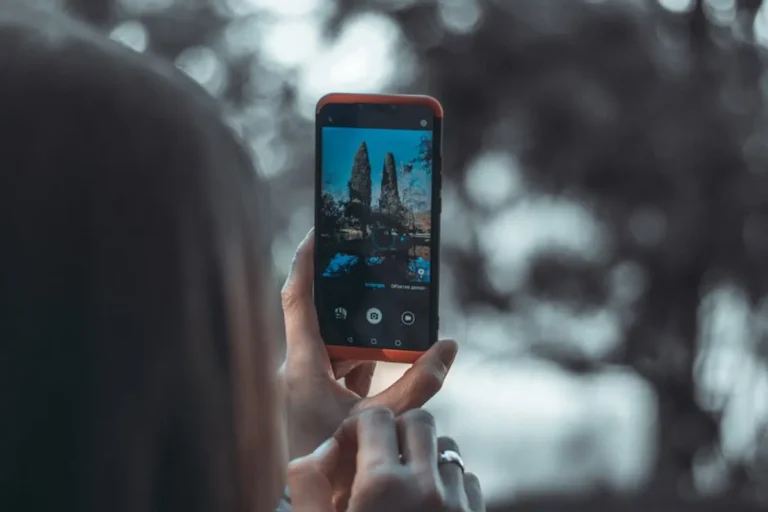
9. Photography (Solo Expeditions)
Embarking on solo photography trips, whether in urban environments, natural landscapes, or even within your home, encourages keen observation and artistic expression. This activity trains your eye to notice details, composition, and light, engaging your creative and technical skills. It's a solitary pursuit that offers a purpose for exploration and results in shareable (or privately enjoyed) artistic output.
Best for: Artistic expression, observational skills, exploration, and introverts who enjoy capturing beauty and detail through a lens.
Pros:
- Encourages mindfulness and appreciation for surroundings.
- Provides a creative outlet with a tangible, visual output.
- Can be done anywhere, from local parks to distant landscapes.
- Develops technical skills and artistic vision.
Cons:
- Requires an initial investment in camera equipment.
- Can be weather-dependent for outdoor shoots.
- Post-processing can be time-consuming and requires additional software.
Verdict: A highly engaging and visually rewarding activity for introverts who seek creative expression and a structured reason to observe and explore their environment.
10. Mindful Movement (Yoga/Meditation)
Practicing yoga, meditation, or tai chi alone provides a powerful way to connect with your body and mind. These activities focus on breath, posture, and mental stillness, promoting relaxation, flexibility, and inner peace. They are inherently solitary, allowing for deep self-awareness and stress reduction without any external performance pressure.
Best for: Stress reduction, physical well-being, mental clarity, and introverts seeking internal focus and self-care.
Pros:
- Significantly reduces stress and improves mental clarity.
- Enhances physical flexibility, balance, and strength.
- Requires minimal equipment (a mat for yoga, nothing for meditation).
- Can be practiced anywhere quiet, with numerous online resources available.
Cons:
- Can be challenging to maintain consistency without external motivation.
- Initial discomfort or difficulty with stillness for beginners.
- Benefits may not be immediately apparent, requiring patience.
Verdict: An essential self-care practice for introverts, offering profound benefits for both physical and mental health through solitary, mindful engagement.
11. Museum or Gallery Visits
Exploring museums, art galleries, or historical sites alone allows for a self-paced and deeply personal experience. Without the need to accommodate others' interests or pace, you can linger on exhibits that captivate you and move quickly past those that don't. This activity offers cultural enrichment, intellectual stimulation, and a quiet environment for contemplation.
Best for: Cultural enrichment, intellectual stimulation, historical appreciation, and introverts who enjoy learning and observing in a quiet, structured environment.
Pros:
- Offers rich cultural and historical learning opportunities.
- Provides a quiet, often contemplative environment.
- Allows for self-paced exploration and deep focus on specific exhibits.
- Can be inspiring and thought-provoking.
Cons:
- Can involve admission fees.
- May still encounter crowds, especially at popular venues or peak times.
- Requires travel and navigating public spaces, which can be draining for some.
Verdict: A valuable activity for culturally-minded introverts, providing intellectual engagement and aesthetic pleasure in a largely solitary and controlled setting.
12. Home DIY & Organization Projects
Tackling home improvement tasks, organizing cluttered spaces, or engaging in small repair projects offers a tangible sense of order and accomplishment. This activity is inherently solitary, requiring focus, planning, and practical application. It transforms your living environment, providing a sense of control and a visible reward for your efforts.
Best for: Practical accomplishment, environmental control, problem-solving, and introverts who derive satisfaction from improving their immediate surroundings.
Pros:
- Results in a more organized or improved living space.
- Provides a sense of control and mastery over one's environment.
- Can be highly satisfying through tangible progress and completion.
- Often involves problem-solving and practical skill development.
Cons:
- Requires an initial investment in tools and materials.
- Can be physically demanding or frustrating if issues arise.
- Potential for mess and cleanup, which can be an added chore.
Verdict: A practical and rewarding option for introverts who appreciate order, efficiency, and the satisfaction of creating a more comfortable personal space.
Sustaining Your Introvert-Friendly Weekends
Beyond selecting specific activities, maximizing the restorative power of your weekend requires intentional planning and self-awareness. First, prioritize scheduling dedicated "alone time" in your calendar, treating it with the same importance as any other appointment. This proactive approach prevents your weekend from being passively filled by external demands. Second, practice digital boundaries; while some activities are screen-based, ensure a significant portion of your solitary time is free from constant notifications or social media scrolling, which can inadvertently deplete mental energy. Finally, listen to your body and mind. Your energy levels and preferences may shift, even within a single weekend. Be flexible enough to pivot from a planned activity if it no longer feels right, opting for something simpler or more restful instead. The goal is consistent self-replenishment, not strict adherence to a schedule.
Frequently Asked Questions
Are these activities exclusively for introverts?
No, many people, regardless of their personality type, can enjoy and benefit from these activities. However, they are particularly well-suited for introverts because they typically involve low social pressure, opportunities for deep focus, and self-paced engagement, which are crucial for introverted individuals to recharge.
How can I avoid feeling isolated if I spend most weekends alone?
The key is balance and intentionality. While these activities are solitary, they don't have to lead to isolation. Consider scheduling one low-key social interaction (e.g., a quiet coffee with one friend, a family dinner) that aligns with your energy levels. Also, engaging in creative or learning activities can connect you to broader communities of interest, even if interaction is asynchronous or online. The goal is quality solitude, not complete withdrawal.
What if I live with extroverts or in a busy household?
Establishing clear boundaries is essential. Communicate your need for quiet time to household members, perhaps designating specific hours or a particular space as your "recharge zone." Noise-canceling headphones can be invaluable. Sometimes, even a short walk or a visit to a local library can provide the necessary temporary escape to engage in a solitary activity.
How do I choose which activity is best for me on a given weekend?
Reflect on your current energy levels and what you intuitively feel you need. Are you mentally drained and need passive relaxation (e.g., reading, movies)? Or are you restless and need a focused project (e.g., crafting, DIY)? Consider the weather, your budget, and any lingering tasks. The "best" activity is the one that genuinely aligns with your immediate need for restoration and personal fulfillment.