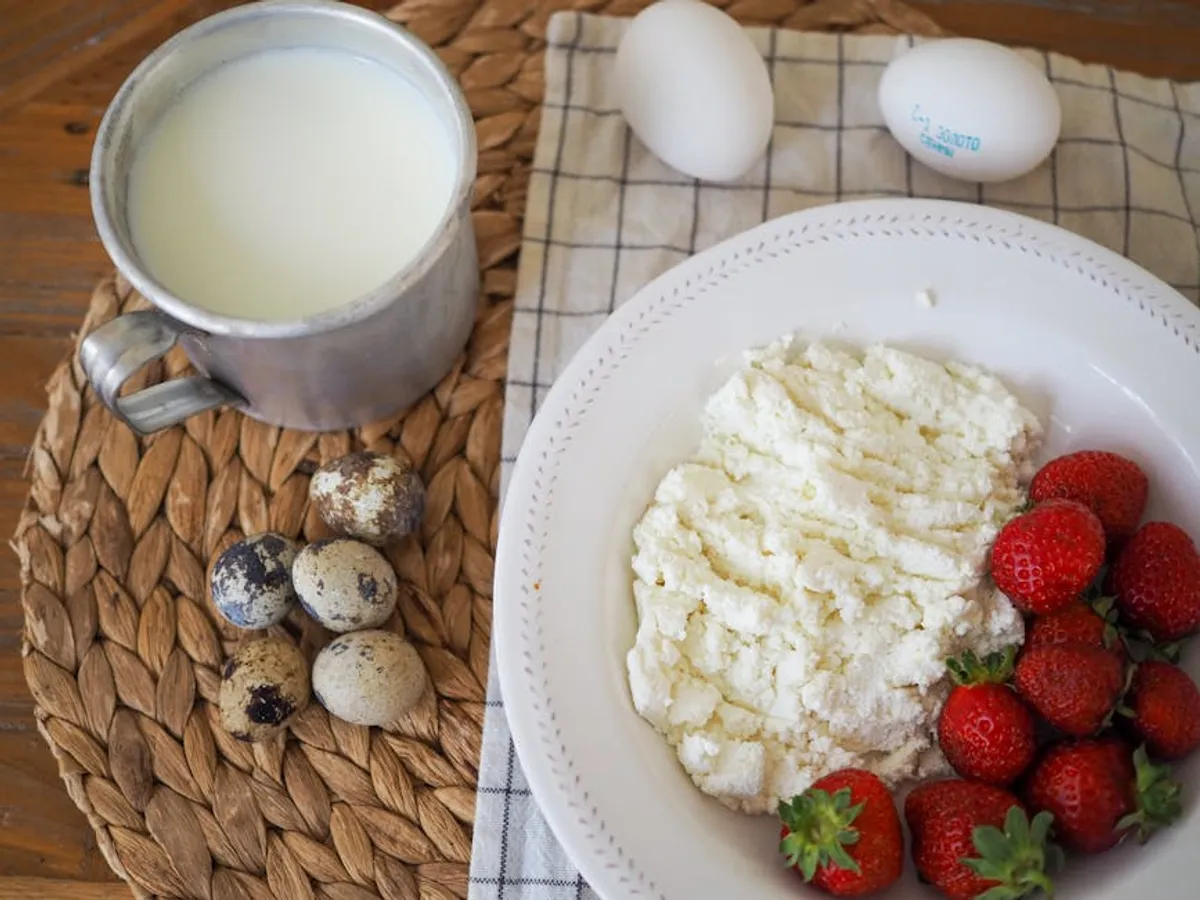
Cottage cheese bread offers a distinct alternative to conventional loaves, blending the moist texture and protein content of cottage cheese with traditional bread-making. This approach yields a bread that is often softer, richer, and nutritionally denser than standard white or wheat varieties. For those seeking to integrate more protein into their diet, or simply looking for a unique bread texture and flavor, understanding both the preparation and the nutritional profile of cottage cheese bread is key to successful baking and dietary planning.
Crafting Cottage Cheese Bread: A Step-by-Step Recipe
Creating cottage cheese bread involves a straightforward process, though the inclusion of dairy requires attention to dough hydration and fermentation. The result is a tender crumb and a subtly tangy flavor that pairs well with both savory and sweet accompaniments.
Essential Ingredients for a Standard Loaf
The foundation of a good cottage cheese bread relies on quality ingredients, particularly the cottage cheese itself. Opt for full-fat cottage cheese for a richer texture, or low-fat for a lighter profile, ensuring it's well-drained if excessively watery.
- 1 cup (225g) cottage cheese, small curd, room temperature
- 1 cup (240ml) warm water (105-115°F / 40-46°C)
- 2 teaspoons active dry yeast
- 1 tablespoon granulated sugar or honey
- 1 teaspoon salt
- 3 cups (360g) all-purpose flour, plus more for dusting
- 2 tablespoons unsalted butter, melted, plus more for greasing
Required Equipment
Standard baking tools are sufficient for this recipe, though a stand mixer can simplify the kneading process.
- Large mixing bowl
- Measuring cups and spoons
- Stand mixer with dough hook attachment (optional)
- Loaf pan (9x5 inches / 23x13 cm)
- Wire cooling rack
- Kitchen towel
Baking Instructions
The process follows a typical yeast bread method, with specific considerations for the cottage cheese.
- Activate Yeast: In a large mixing bowl, combine the warm water, sugar/honey, and yeast. Stir gently and let sit for 5-10 minutes, until foamy. This indicates the yeast is active.
- Combine Wet Ingredients: Add the room-temperature cottage cheese, melted butter, and salt to the yeast mixture. Mix until well combined.
- Incorporate Flour: Gradually add the flour, one cup at a time, mixing until a shaggy dough forms. If using a stand mixer, switch to the dough hook.
- Knead the Dough: Turn the dough out onto a lightly floured surface (or continue in the stand mixer). Knead for 8-10 minutes until the dough is smooth, elastic, and no longer sticky. It should spring back when lightly poked.
- First Rise: Lightly grease the mixing bowl. Place the dough in the bowl, turning once to coat. Cover the bowl with a clean kitchen towel or plastic wrap and let it rise in a warm place for 1-1.5 hours, or until doubled in size.
- Shape the Loaf: Gently punch down the risen dough to release air. Turn it out onto a lightly floured surface and shape it into a log to fit your loaf pan.
- Second Rise: Place the shaped dough into the greased loaf pan. Cover again with the towel and let it rise for another 30-45 minutes, or until it has nearly doubled and crowns above the rim of the pan.
- Preheat and Bake: While the dough is on its second rise, preheat your oven to 375°F (190°C). Bake for 30-35 minutes, or until the crust is golden brown and the internal temperature reaches 200-210°F (93-99°C) when measured with an instant-read thermometer.
- Cool: Remove the bread from the oven and immediately turn it out onto a wire cooling rack. Let it cool completely before slicing to prevent a gummy texture.
Pro Tip: Ensure your cottage cheese is at room temperature before adding it to the dough. Cold cottage cheese can inhibit yeast activity, leading to a slower or less effective rise. If your cottage cheese is very wet, drain it through a fine-mesh sieve for 15-20 minutes to avoid adding excess moisture to your dough, which could make it too sticky.
Nutritional Profile of Cottage Cheese Bread
The inclusion of cottage cheese significantly alters the nutritional landscape of a typical bread loaf, offering distinct advantages for various dietary needs.
Key Nutritional Benefits
Cottage cheese is a dairy product known for its high protein content and essential minerals. When incorporated into bread, these benefits transfer directly to the final product:
- Increased Protein: Cottage cheese is rich in casein protein, which is slow-digesting and contributes to satiety. A slice of cottage cheese bread typically contains more protein than an equivalent slice of traditional white or whole wheat bread, supporting muscle repair and growth.
- Calcium and Phosphorus: As a dairy product, cottage cheese provides significant amounts of calcium, crucial for bone health, and phosphorus, vital for energy metabolism.
- Moisture and Texture: Beyond nutrition, the inherent moisture in cottage cheese contributes to a softer, more tender crumb and helps keep the bread fresh for longer, reducing dryness often associated with lower-fat breads.
- Reduced Fat (Optional): Using low-fat cottage cheese can produce a bread with a lower overall fat content compared to recipes relying heavily on butter or oil, without sacrificing much of the characteristic moisture.
Comparative Nutritional Considerations
Compared to a standard white bread, cottage cheese bread often presents a more favorable macronutrient balance. While carbohydrate content remains substantial due to flour, the elevated protein content helps balance the glycemic load. For those managing blood sugar or seeking sustained energy, this can be a beneficial trade-off. The addition of whole wheat flour in place of some all-purpose flour can further boost fiber content, enhancing digestive health benefits.
Dietary Adaptations
To align cottage cheese bread with specific dietary preferences:
- Gluten-Free: Substitute all-purpose flour with a gluten-free bread flour blend (ensure it contains xanthan gum for structure). Adjust liquid as needed, as gluten-free flours absorb differently.
- Lower Carbohydrate: While cottage cheese bread is not inherently low-carb due to flour, using alternative flours like almond or coconut flour (in specific ratios designed for low-carb baking) can reduce net carbs. However, this will significantly alter texture and requires a specialized recipe.
- Enhanced Fiber: Replace up to half of the all-purpose flour with whole wheat flour to increase fiber content and add a nuttier flavor.
Integrating Cottage Cheese Bread into Your Diet
Cottage cheese bread serves as a versatile component in a balanced diet. Its robust texture and flavor make it suitable for various culinary applications, from breakfast toast to sandwich bases.
Consider pairing it with lean protein sources like turkey or chicken for a high-protein meal, or with fresh vegetables and healthy fats like avocado for a nutrient-dense snack. Its subtle tang also complements fruit spreads and honey, offering a balanced sweetness for breakfast or dessert. By understanding its unique attributes, you can effectively incorporate this bread into a health-conscious eating plan, leveraging its protein and moisture to enhance meal satisfaction and nutritional intake.
Frequently Asked Questions About Cottage Cheese Bread
Can I use any type of cottage cheese?
Small curd cottage cheese is generally preferred for its smoother integration into the dough, resulting in a more uniform texture. Large curd can be used, but it might leave more noticeable curds in the final bread. Ensure it's not excessively watery; drain if necessary.
How should I store cottage cheese bread?
Store cottage cheese bread at room temperature in an airtight container or bread bag for up to 3-4 days. For longer storage, slice the cooled bread and freeze it in a freezer-safe bag for up to 2-3 months. Thaw slices as needed.
Why is my cottage cheese bread dense or heavy?
Density can result from several factors: insufficient kneading, which prevents proper gluten development; inactive yeast, leading to a poor rise; or adding too much flour, making the dough stiff. Ensure your yeast is fresh and active, and knead the dough until it's elastic but not overly stiff.
Can I add other ingredients to the recipe?
Yes, cottage cheese bread is adaptable. Consider adding herbs like dill or chives for a savory loaf, or a handful of dried cranberries or raisins for a sweeter profile. Incorporating seeds like poppy or sesame seeds can add texture and additional nutrients. Add these during the initial mixing of the flour.