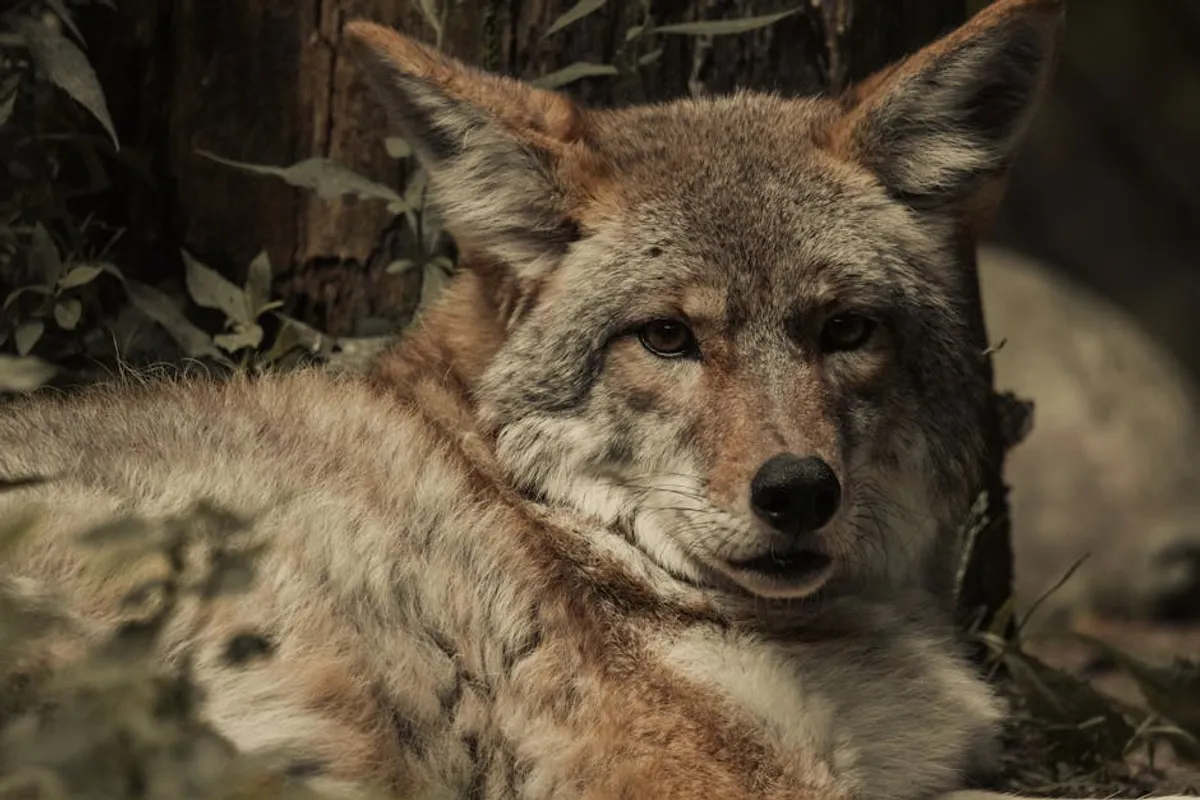
The coyote, often observed on the fringes of human habitation, holds a complex and multifaceted position in spiritual traditions across North America. Far from being a simple pest or predator, its consistent presence in folklore and personal encounters suggests a deeper symbolic resonance. Understanding the coyote's spiritual meaning involves recognizing its dualistic nature: a master of adaptation, a trickster, a teacher, and sometimes, a harbinger of change. This animal spirit embodies lessons of intelligence, resilience, and the disruption of established norms, offering guidance to those seeking to navigate life's ambiguities with wit and discernment.
The Coyote as a Spirit Animal
As a spirit animal, the coyote is rarely straightforward. It challenges perceptions and encourages a deeper look beyond the obvious. Its primary characteristics – cunning, adaptability, and a penchant for mischief – translate into significant spiritual lessons for individuals.
Trickster Archetype and Adaptability
The coyote's reputation as a trickster is central to its spiritual meaning. This archetype is not inherently malicious but serves to expose folly, challenge authority, and introduce chaos to create new order. Spiritually, this means the coyote often appears when an individual needs to question rigid structures, whether personal beliefs, societal expectations, or ingrained habits. It signals a time to be flexible, to think unconventionally, and to find creative solutions to problems that seem insurmountable through conventional means. The coyote’s survival in diverse environments, from deserts to urban centers, underscores its profound adaptability, urging us to embrace change rather than resist it.
Playfulness and Humor
Beyond its cunning, the coyote also embodies a spirit of playfulness and humor. It reminds us not to take ourselves or life's challenges too seriously. This aspect of the coyote spirit encourages laughter in the face of adversity, the ability to find joy in unexpected places, and a willingness to step outside comfort zones for the sheer fun of it. When coyote energy is present, it might be a prompt to lighten up, to release tension through humor, or to approach situations with a more lighthearted, less rigid perspective. This doesn't diminish the seriousness of issues but suggests that a playful approach can sometimes reveal solutions that earnestness might obscure.
Wisdom in the Wild
Coyote's wisdom is practical and grounded in survival. It teaches resourcefulness, the ability to thrive with limited resources, and the importance of keen observation. Spiritually, this translates into a call for self-reliance and an understanding of natural cycles. The coyote knows how to hunt, how to scavenge, and how to protect itself. These instincts, when applied metaphorically, guide us to be vigilant, to trust our intuition, and to understand the interconnectedness of our actions with the environment around us. It's a reminder that true wisdom often comes from direct experience and a willingness to engage with the raw, untamed aspects of life.
Coyote in Cultural Lore
The coyote's spiritual significance is deeply rooted in the oral traditions of various indigenous cultures, particularly across North America, where it often plays a pivotal role in creation myths and morality tales.
Native American Traditions
Among many Native American tribes, the coyote is a prominent figure, though its portrayal varies. For the Navajo, Coyote (Ma'ii) is a complex character, often associated with both creation and destruction, wisdom and foolishness. He can be a cultural hero who brings fire or teaches important lessons, but also a greedy, lustful, or vain figure whose actions lead to unintended consequences. The Apache see Coyote as a teacher who, through his mistakes, shows humans how *not* to behave. The Hopi and Zuni often depict Coyote as a trickster who disrupts the established order, sometimes for good, sometimes for ill. Across these diverse narratives, Coyote consistently embodies the unpredictable nature of life and the fine line between order and chaos, highlighting the consequences of actions and the value of humility.
Global Parallels
While the coyote is specific to the Americas, its trickster archetype resonates with similar figures in global mythologies. Characters like Anansi the Spider from West African folklore, Loki from Norse mythology, or the Kitsune (fox) in Japanese folklore share traits with Coyote: they are intelligent, mischievous, often shapeshifting, and capable of both benevolent and destructive acts. These parallels suggest a universal human need to understand and personify the forces of chaos, wit, and transformation within the natural and spiritual worlds.
Interpreting Coyote Sightings and Dreams
Encounters with coyotes, whether in waking life or dreams, are often interpreted as messages or calls to action from the spiritual realm.
Encounters in Waking Life
A physical sighting of a coyote can be a potent spiritual sign. It might indicate a need for greater adaptability in your current circumstances, urging you to be more resourceful or to think outside conventional boundaries. It could also serve as a warning to be wary of deceptive situations or individuals, or to scrutinize your own motives for any hidden trickery. Conversely, a coyote sighting might be a prompt to inject more humor and playfulness into a situation that has become overly serious or rigid. Consider the context of the sighting: was it alone or with a pack? What was it doing? The coyote's behavior often mirrors the spiritual message it carries.
Coyote in Dreams
Dreams featuring coyotes are rich with symbolism, often reflecting subconscious thoughts or unresolved issues. Interpreting these dreams requires attention to detail and personal context.
- Chasing or being chased by a coyote: May suggest feeling outwitted, avoiding a necessary truth, or struggling with your own shadow self.
- A playful coyote: Indicates a need for more joy, humor, or a less serious approach to life's challenges.
- A trapped or injured coyote: Could symbolize feeling constrained in your own cunning or adaptability, or a warning against manipulative tactics.
- A talking coyote: Pay close attention to its words; it often conveys direct spiritual guidance or a critical insight.
- A pack of coyotes: Might represent community, social dynamics, or feeling overwhelmed by a group's influence.
Pro Tip: When interpreting coyote encounters or dreams, avoid superficial conclusions. The coyote's message is rarely simple. Instead, reflect on areas in your life where you might be too rigid, too serious, or perhaps not discerning enough. The trickster often reveals what we refuse to see in ourselves or our situations.
Practical Application of Coyote Wisdom
Integrating the coyote's spiritual lessons means actively engaging with its core characteristics. This involves cultivating adaptability, embracing creative problem-solving, and developing a keen sense of humor. When faced with challenges, ask yourself: How would the coyote approach this? It would likely assess the situation from multiple angles, use its wit to find an unconventional path, and not be afraid to bend rules or expectations if it leads to survival or progress. This wisdom encourages questioning the status quo, finding joy in the journey, and trusting your innate intelligence to navigate complexities.
Frequently Asked Questions
What does it mean if a coyote crosses your path?
A coyote crossing your path often signifies a need for increased adaptability, resourcefulness, or a call to embrace unconventional thinking. It can also be a reminder to use humor and playfulness in challenging situations, or a warning to be cautious of deceptive influences.
Is the coyote spirit animal always positive?
The coyote spirit animal is not strictly positive or negative; it embodies a spectrum of traits, including both wisdom and folly. Its lessons often involve challenging norms, revealing hidden truths, or exposing weaknesses, which can be uncomfortable but ultimately beneficial for growth.
How can I connect with coyote energy?
To connect with coyote energy, practice adaptability, observe your surroundings keenly, and cultivate a sense of humor. Engage in creative problem-solving, question established beliefs, and allow yourself to be playful and spontaneous. Spending time in nature, particularly at dawn or dusk, can also foster a connection.
What is the difference between coyote and wolf spiritual meaning?
While both are canine, the wolf typically represents loyalty, community, and guardianship, emphasizing structure and pack dynamics. The coyote, conversely, symbolizes individualism, adaptability, wit, and the trickster archetype, often operating outside established norms and challenging conventions.