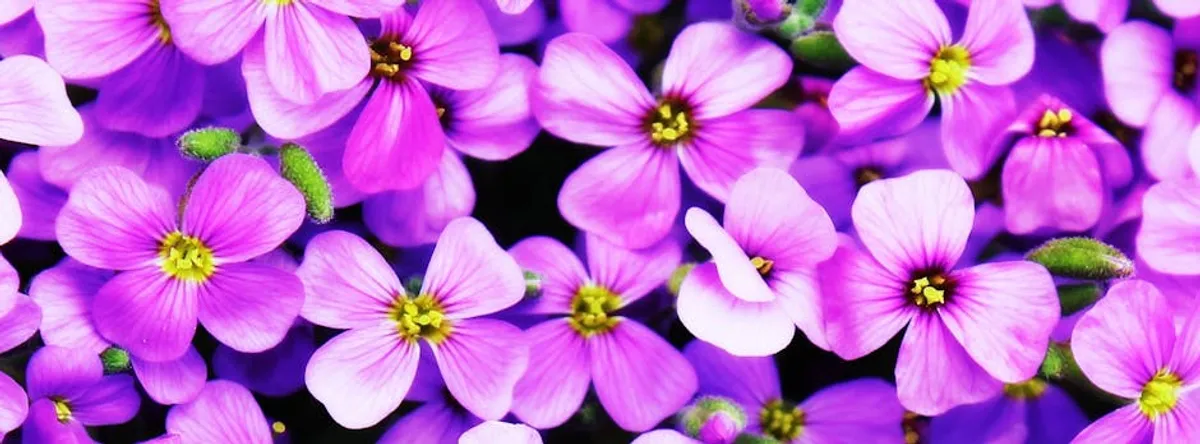
Understanding flower meanings extends beyond a simple appreciation of aesthetics; it provides a nuanced layer of communication and commercial utility. For professionals in marketing, event planning, content creation, or even personal branding, leveraging floriography—the language of flowers—can imbue messages with depth, resonate with audiences, and differentiate offerings. This week, consider how integrating specific floral symbolism can refine your approach, whether it's for a client presentation, a social media campaign, or a thoughtful gesture.
Decoding Common Flower Meanings for Immediate Use
The immediate impact of a flower is often tied to its established symbolism. Recognizing these associations allows for deliberate choices in various contexts, from visual branding to direct communication. These are not arbitrary connections but cultural constructs refined over centuries, influencing how a message is received.
- Roses: While universally associated with love and romance, their specific colors carry distinct nuances. Red signifies deep passion, ideal for romantic overtures. Pink roses often convey admiration, gratitude, or gentleness, suitable for thanking a mentor or celebrating a friendship. White roses symbolize purity, new beginnings, or remembrance, making them appropriate for weddings, funerals, or fresh starts. Yellow roses historically represented jealousy but have evolved to signify friendship and joy, demanding careful context.
- Lilies: These blooms command attention with their stately presence and varied meanings. White lilies typically denote purity and sympathy, frequently seen in funeral arrangements. Oriental lilies, with their strong fragrance and vibrant colors, can signify passion or prosperity. Calla lilies, elegant and sculptural, often represent magnificent beauty and rebirth, making them popular for sophisticated events and artistic expressions.
- Tulips: Known for their vibrant colors and classic cup shape, tulips generally symbolize perfect love and happiness. Red tulips, like red roses, declare true love. Yellow tulips, once associated with hopeless love, now often convey cheerful thoughts and sunshine. Purple tulips signify royalty and elegance, while white tulips are for forgiveness or worthiness. Their seasonal availability also adds a layer of freshness and celebration of spring.
- Sunflowers: Unmistakable with their bright yellow petals and towering stature, sunflowers are symbols of adoration, longevity, and loyalty. They turn to follow the sun, embodying optimism and warmth. Their robust nature also suggests strength and resilience, making them excellent choices for acknowledging perseverance or celebrating long-standing relationships and achievements.
Applying Flower Symbolism in Gifting and Personal Expression
Strategic flower selection in gifting or personal display transforms a simple bouquet into a meaningful statement. This week, consider these applications to enhance your impact. Consider these thoughtful gift ideas for couples to make your next present truly memorable.
Thoughtful Gifting: When selecting flowers for clients, colleagues, or personal connections, align the flower's meaning with your intent. For a client celebrating a business milestone, a bouquet of purple tulips can subtly acknowledge their success and your respect. For a team member who has shown resilience, sunflowers convey appreciation for their loyalty and strength. This deliberate choice elevates the gesture beyond a generic gift, fostering stronger relationships by demonstrating attention to detail and a deeper understanding of communication.
Personal Spaces: The flowers you choose for your office or home can subtly influence atmosphere and personal branding. White lilies in a reception area communicate professionalism and purity, while a vase of mixed pink and white roses in a creative studio might suggest warmth, gratitude, and fresh ideas. These choices are not merely decorative; they are extensions of your desired environment and personal ethos, influencing perception and mood for both occupants and visitors.
Digital Content: In visual marketing, blog imagery, or social media posts, the flowers you feature can add layers of subtext without explicit explanation. A brand promoting a new beginning might use white roses or daffodils (new beginnings, hope). A campaign focused on enduring quality could incorporate sunflowers. This visual language can resonate deeply with an audience, creating emotional connections and reinforcing brand messages more effectively than generic stock photography.
Pro Tip: Always consider the cultural context of your audience when employing flower meanings. While some symbols are widely recognized, regional or cultural differences can alter interpretations significantly. For instance, chrysanthemums are celebratory in some cultures but associated with funerals in others. A quick cross-cultural check can prevent unintended messages and ensure your communication is received as intended.
Integrating Floral Language into Events and Branding
For event planners and brand strategists, floral symbolism offers a powerful, non-verbal tool to shape perception and reinforce themes.
Event Decor: Flowers are central to event aesthetics, but their meanings can also define the event's underlying message. For a corporate gala celebrating innovation, orchids (luxury, beauty, strength) could be prominent. A charity event focused on hope and new beginnings might feature daffodils or white tulips. The strategic placement and choice of flowers contribute to the narrative, making the event more cohesive and memorable. This level of detail demonstrates a sophisticated understanding of messaging, enhancing the overall attendee experience and reinforcing the event's purpose.
Brand Messaging: Incorporating floral motifs into logos, packaging, or marketing collateral can add depth to a brand's identity. A skincare brand emphasizing purity and natural ingredients might use subtle white lily or jasmine imagery. A luxury brand could lean into orchids or rare rose varieties. This isn't about using actual flowers, but their symbolic representation, which can convey brand values and evoke specific emotions without relying on overt text. It's a method of communicating brand essence through a universally understood visual language.
Practical Steps to Research and Verify Flower Meanings
To ensure accuracy and impact, a systematic approach to researching flower meanings is essential.
Reliable Sources for Floral Lexicon: Begin with established botanical encyclopedias, historical texts on floriography, or reputable gardening and floral design websites. Cross-reference information from multiple sources to confirm meanings, as interpretations can vary. Look for consistency across different references rather than relying on a single anecdotal source. Academic botanical gardens or floral societies often provide meticulously researched information on plant symbolism and history.
Cultural Nuances and Regional Variations: As mentioned, cultural context is paramount. When planning international campaigns or engaging with diverse audiences, research how specific flowers are perceived in those regions. What symbolizes love in one country might symbolize mourning in another. Consult cultural experts or demographic research to ensure your floral choices are appropriate and effective, preventing misinterpretation that could undermine your message or even cause offense.
Your Weekly Floral Action Plan
This week, translate these insights into tangible actions to enhance your professional and personal communications.
Begin by identifying one upcoming communication or event—a client meeting, a social media post, or a personal gift. Research a flower whose meaning directly aligns with your intended message. For a thank-you note to a valued partner, consider pink roses for gratitude. For a social media graphic announcing an exciting new project, integrate yellow tulips for cheer and new beginnings. Observe the reactions; does the subtle symbolism enhance the message's reception? Document these observations to build a personal library of effective floral communication strategies. This iterative process refines your ability to use floriography as a powerful, non-verbal communication tool.
Frequently Asked Questions
What are the most universally recognized flower meanings?
Red roses for romantic love, white lilies for purity and sympathy, and sunflowers for adoration and loyalty are among the most broadly understood flower meanings across various cultures, making them relatively safe choices for general communication.
How do I avoid misinterpreting flower symbolism?
Always cross-reference meanings from multiple reputable sources, and critically, consider the cultural background of your recipient or audience. When in doubt, opt for flowers with universally positive or neutral associations, or pair them with an explicit message to clarify your intent.
Can flower meanings change over time or culture?
Yes, flower meanings are dynamic. They evolve with cultural shifts, historical events, and regional interpretations. For example, yellow roses once symbolized jealousy but now commonly represent friendship and joy. Always research contemporary and specific cultural contexts.
Where can I find more detailed flower meaning resources?
Look for comprehensive botanical encyclopedias, books specifically on floriography, and reputable online databases from botanical gardens, universities, or established floral industry associations. These sources often provide historical context and regional variations.