The 2026 full moon calendar offers a structured overview of lunar events throughout the year, providing specific dates and traditional meanings that can inform planning, content strategy, and personal observational practices. Understanding these cycles moves beyond mere astronomical curiosity; it provides a framework for aligning activities with natural rhythms, scheduling thematic content, or engaging audiences interested in celestial phenomena and their cultural interpretations. This detailed breakdown ensures you have the precise information needed to integrate lunar insights into various professional or personal applications.
Understanding the Full Moon Phenomenon
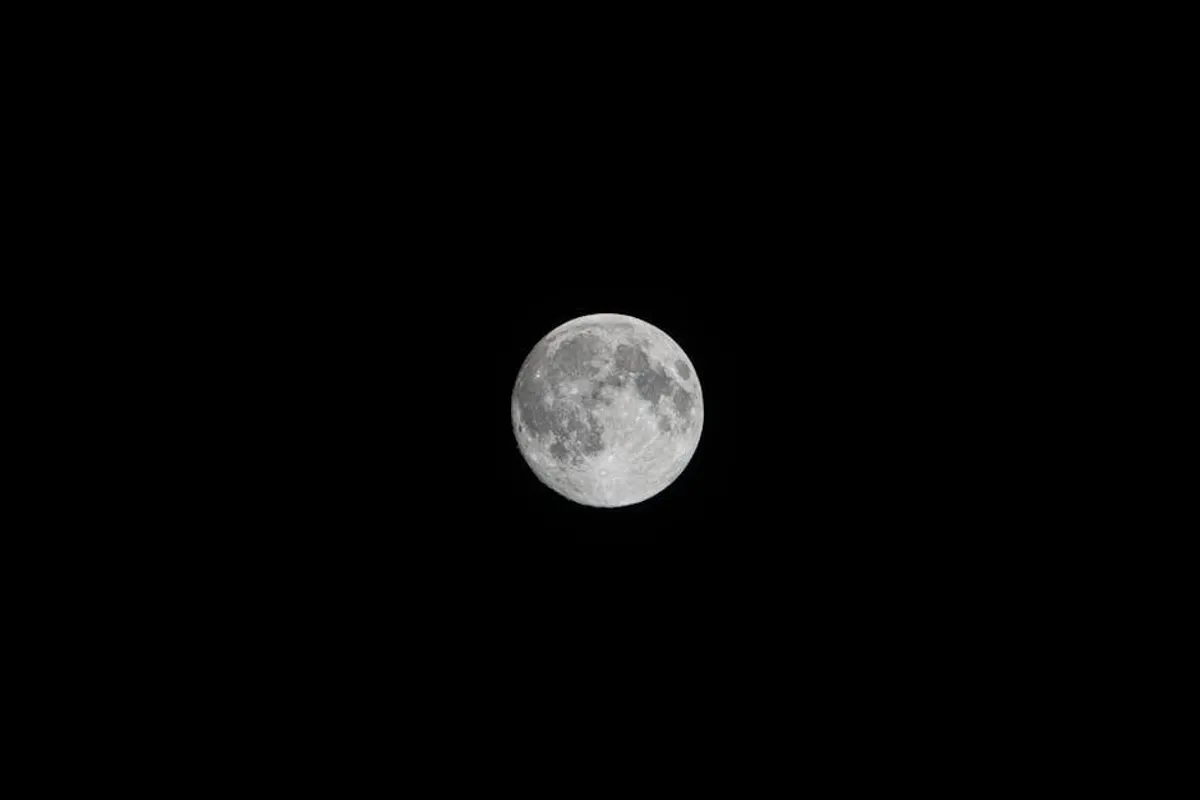
A full moon occurs when the Moon is fully illuminated by the Sun as viewed from Earth, marking a specific point in its synodic cycle. This phase is characterized by the Moon appearing as a complete disk, rising around sunset and setting around sunrise. Historically, cultures worldwide have assigned names and meanings to each full moon, often reflecting seasonal changes, agricultural practices, or significant natural events. These traditional names, predominantly from Native American, Colonial American, and European folklore, provide a rich context for each lunar occurrence.
The timing of a full moon is precise, typically measured down to the minute in Universal Coordinated Time (UTC). While the Moon appears full for about three days around this peak, the exact moment of full illumination is singular. For practical purposes, observing the moon on the night of the full moon or the nights immediately before and after will still present a visually striking spectacle.
Full Moon Calendar 2026: Dates and Traditional Meanings
Below is the complete schedule for every full moon in 2026, including its date, precise UTC time, and its widely recognized traditional name along with its historical significance.
- January 13, 2026, at 11:37 UTC – Wolf Moon: Named for the howling of wolves heard more frequently during the cold, dark nights of winter. It signifies survival and endurance.
- February 12, 2026, at 01:53 UTC – Snow Moon: Typically the snowiest month, this moon reflects the harsh winter conditions and the scarcity of food.
- March 13, 2026, at 16:59 UTC – Worm Moon: As the ground thaws, earthworms begin to appear, signaling the return of spring and the renewal of life.
- April 12, 2026, at 06:17 UTC – Pink Moon: Named after the pink creeping phlox, one of the earliest spring flowers, symbolizing growth and awakening.
- May 11, 2026, at 19:40 UTC – Flower Moon: This moon coincides with the peak blooming season, representing abundance and fertility.
- June 10, 2026, at 09:31 UTC – Strawberry Moon: Associated with the harvesting of strawberries, it marks the beginning of summer and the season of sweet fruits.
- July 10, 2026, at 00:07 UTC – Buck Moon: Male deer (bucks) begin to grow new antlers at this time, symbolizing strength and regeneration.
- August 8, 2026, at 13:58 UTC – Sturgeon Moon: Named for the large sturgeon fish that were readily caught in the Great Lakes during this month, signifying bounty.
- September 7, 2026, at 03:47 UTC – Harvest Moon: The full moon closest to the autumnal equinox, historically important for farmers as it provided light for harvesting late-season crops.
- October 6, 2026, at 17:09 UTC – Hunter's Moon: Following the Harvest Moon, this moon signaled the time to hunt and store provisions for the coming winter.
- November 5, 2026, at 06:58 UTC – Beaver Moon: Named either for the time beavers are actively preparing for winter or for setting beaver traps before the swamps froze.
- December 4, 2026, at 20:30 UTC – Cold Moon: Reflecting the onset of deep winter, with long, dark, and cold nights.
Supermoons and Micromoons in 2026
While all full moons are significant, some hold additional astronomical distinction. A "Supermoon" occurs when a full moon coincides with the Moon's closest approach to Earth (perigee), making it appear slightly larger and brighter than average. Conversely, a "Micromoon" happens when a full moon aligns with the Moon's farthest point from Earth (apogee), appearing marginally smaller. For 2026, the May Flower Moon (May 11) and the June Strawberry Moon (June 10) are notable for being Supermoons, offering enhanced visual appeal.
Pro Tip: When planning content or events around full moons, consider local time zones. The UTC times provided are universal, but the visible full moon in your specific location will depend on your longitude and whether the full moon occurs during daytime or nighttime hours locally. Always convert UTC to your local time for accurate scheduling.
Leveraging the 2026 Full Moon Cycle
The consistent rhythm of the full moon cycle provides a predictable framework for various applications, extending beyond mere astronomical observation.
Content Strategy and Thematic Planning
For publishers and content creators, each full moon offers a recurring thematic hook. The traditional names and their associated meanings can inspire articles, social media campaigns, or product features. For instance, the "Wolf Moon" in January could prompt content on winter survival, animal folklore, or introspection, while the "Flower Moon" in May could lead to gardening guides, spring fashion features, or nature photography tips. Scheduling content releases to align with these lunar events can create timely, relevant engagement opportunities.
Event Coordination and Observational Activities
Event organizers can utilize the full moon calendar for planning outdoor gatherings, night photography workshops, or stargazing events. The increased natural illumination from a full moon reduces the need for artificial lighting in some settings, enhancing the atmosphere. For individuals, these dates present opportunities for personal reflection, journaling, or simply appreciating the night sky. Awareness of specific full moon dates allows for proactive planning to ensure optimal viewing conditions, considering factors like weather and light pollution.
Agricultural and Natural Rhythm Alignment
While modern agriculture relies on scientific data, some gardeners and farmers still observe lunar phases for planting and harvesting, a practice known as "moon gardening." The full moon is traditionally associated with increased moisture in the soil and strong root growth. Understanding the historical context of names like "Harvest Moon" or "Sturgeon Moon" also deepens appreciation for humanity's historical connection to natural cycles and resource management.
Integrating Lunar Rhythms into Your Year
The 2026 full moon calendar is more than a list of dates; it's a tool for understanding and anticipating natural patterns. By recognizing the specific dates and the cultural meanings attributed to each full moon, individuals and organizations can enrich their planning, content, and engagement strategies. Whether for scientific interest, cultural appreciation, or practical scheduling, the consistent recurrence of these lunar events offers a unique lens through which to view the year ahead.
Frequently Asked Questions
Why do full moons have different names?
Full moons have different names primarily due to historical and cultural traditions, particularly from Native American tribes, Colonial Americans, and European folklore. These names often reflect seasonal changes, agricultural cycles, or significant natural events occurring during that specific month.
Does a full moon affect human behavior?
While popular belief often links full moons to changes in human behavior (e.g., increased crime, hospital admissions), scientific studies generally do not support a direct causal relationship. Any perceived effects are largely anecdotal or attributable to cognitive biases.
How often does a full moon occur?
A full moon occurs approximately once every 29.5 days, which is the length of one synodic month (the time it takes for the Moon to complete one cycle of phases as observed from Earth). This means there is typically one full moon per calendar month, though occasionally a month may have two (a "Blue Moon").
Is it safe to look directly at a full moon?
Yes, it is completely safe to look directly at a full moon. Unlike the sun, the moon's light is reflected sunlight and is not intense enough to cause any harm to your eyes.