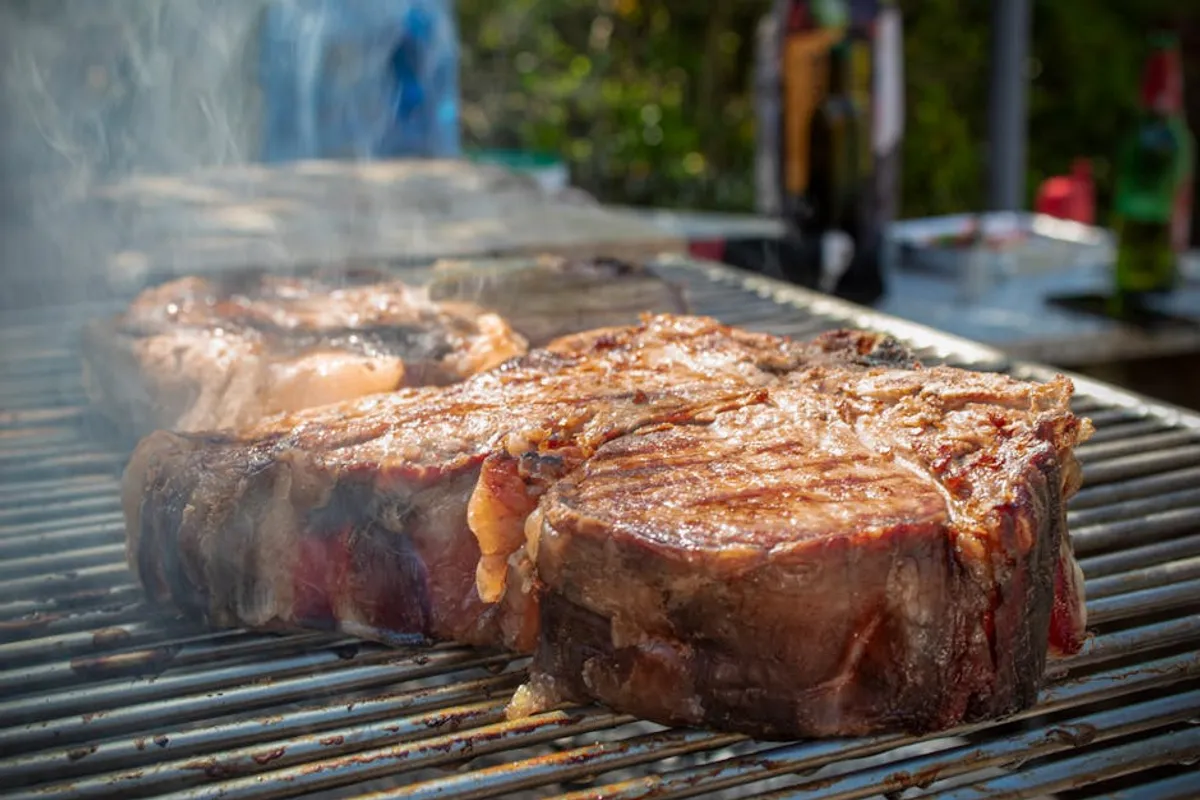
Reheating a perfectly cooked steak without rendering it dry and tough is a common culinary challenge. The primary objective is to restore the steak's warmth and texture without overcooking its interior, thereby preserving the succulence achieved during its initial preparation. Successful reheating hinges on understanding how different heat applications affect muscle fibers and moisture retention. The key is to apply gentle, even heat, allowing the steak to come up to temperature slowly, rather than shocking it with high heat that can squeeze out juices and toughen the meat.
Core Principles for Retaining Steak Quality
Effective steak reheating relies on several foundational principles that mitigate moisture loss and prevent further cooking. These principles apply across most methods, with variations in execution:
- Low Temperature Application: High heat accelerates protein coagulation, forcing out moisture and leading to a dry, chewy texture. Reheating at lower temperatures allows the steak to warm through gradually, minimizing this effect.
- Moisture Protection: Covering the steak or adding a small amount of liquid (like broth or butter) during reheating helps create a steamy environment, preventing surface dehydration.
- Even Heat Distribution: Uneven heating can result in some parts of the steak overcooking while others remain cold. Methods that provide consistent heat are generally more effective.
- Internal Temperature Monitoring: Relying on an instant-read thermometer is critical. The goal is to bring the steak to a palatable serving temperature, typically slightly below its original doneness, to allow for carryover cooking once removed from the heat source.
Oven Reheating: Controlled Warmth
The oven method is widely considered one of the most reliable for reheating steak, especially for thicker cuts or multiple portions, due to its ability to provide consistent, ambient heat.
Method:
- Preheat oven to a low temperature, typically 250-275°F (120-135°C).
- Place a wire rack on a baking sheet. This elevates the steak, allowing air to circulate and preventing the bottom from steaming.
- Arrange the steak(s) on the wire rack. For added moisture, you can brush the steak lightly with butter or a small amount of beef broth.
- Heat for 15-30 minutes, depending on thickness and desired internal temperature.
- Use an instant-read thermometer to check the internal temperature. Aim for 120-130°F (49-54°C) for medium-rare, or 130-140°F (54-60°C) for medium.
- For a crisper exterior, briefly sear the steak in a hot, oiled skillet for 60-90 seconds per side after oven reheating.
Best for: Multiple steaks, thicker cuts, achieving even internal warmth without significant additional cooking.
Stovetop Searing: Reviving the Crust
This method is effective for smaller, thinner steaks or for quickly re-crisping the exterior of an oven-reheated steak. It requires careful attention to avoid overcooking.
Method:
- Allow the steak to come closer to room temperature for 15-20 minutes.
- Heat a heavy-bottomed skillet (cast iron works well) over medium-low heat. Add a small amount of high smoke point oil (e.g., grapeseed, avocado) or butter.
- Once the oil shimmers, place the steak in the pan.
- Sear for 2-3 minutes per side, or until warmed through. You can cover the pan for the last minute to trap steam and aid internal heating.
- Check internal temperature with an instant-read thermometer.
Best for: Single portions, thinner cuts, restoring a seared crust, or finishing an oven-warmed steak.
Sous Vide Precision: The Ultimate Tenderness
For those with sous vide equipment, this method offers unparalleled control over internal temperature and moisture retention, producing results closest to the original cook.
Method:
- Vacuum seal the cooked steak in a food-safe bag. If you don't have a vacuum sealer, use the water displacement method with a Ziploc bag.
- Set your sous vide circulator to a temperature slightly below your desired final serving temperature (e.g., 120-130°F / 49-54°C for medium-rare).
- Submerge the sealed steak in the water bath for 45-60 minutes, or until fully warmed through. The steak cannot overcook using this method as long as the water temperature is set correctly.
- Remove the steak from the bag, pat it thoroughly dry with paper towels.
- For a crust, sear in a very hot, oiled skillet for 60 seconds per side.
Best for: Achieving exact internal doneness, maximum moisture retention, preserving original texture.
Air Fryer Efficiency: A Modern Approach
The air fryer can reheat steak quickly and provide a good exterior crust, but its dry heat requires careful monitoring to prevent drying out.
Method:
- Preheat the air fryer to a low setting, around 300°F (150°C).
- Lightly brush the steak with oil or butter to help retain moisture.
- Place the steak in the air fryer basket in a single layer.
- Cook for 3-5 minutes, then flip. Continue cooking in 2-3 minute increments, checking the internal temperature frequently.
- Remove when the steak reaches the desired internal temperature (e.g., 120-130°F / 49-54°C).
Best for: Quick reheating of single portions, achieving a slight exterior crispness, minimal cleanup.
Microwave: Last Resort Considerations
While the fastest method, the microwave is generally the least recommended for steak due to its tendency to heat unevenly and rapidly toughen meat. If used, extreme caution and specific techniques are necessary.
Method:
- Slice the steak into thinner pieces or cubes to promote more even heating.
- Place the steak in a microwave-safe dish. Add a tablespoon of beef broth or water, or a pat of butter, and cover the dish tightly with a lid or microwave-safe plastic wrap, leaving a small vent. This creates steam.
- Heat on 50% power for 30-60 second intervals, checking and flipping the steak between intervals.
- Remove once just warm, as it will continue to cook slightly from residual heat.
Best for: Absolute time constraints, when other methods are unavailable, and when texture is less of a priority.
PRO TIP: Always use an instant-read meat thermometer for reheating steak. The target internal temperature for reheated steak is typically 120-130°F (49-54°C) for medium-rare, or 130-140°F (54-60°C) for medium. Exceeding these temperatures will continue to cook the steak, leading to dryness and a tougher texture. Remove the steak a few degrees below your target to account for carryover cooking.
Pre-Reheating Preparation Steps
A few simple steps before applying heat can significantly improve your reheated steak:
- Bring to Room Temperature: Allowing the steak to sit out for 15-30 minutes before reheating helps it warm more evenly and reduces the overall reheating time, lessening the chance of overcooking the exterior.
- Slice or Keep Whole: For thicker steaks, slicing against the grain into thinner strips before reheating can speed up the process and allow for more even warming, though it might sacrifice some moisture compared to reheating whole. For thinner cuts, keeping them whole is often fine.
- Add Moisture: A light brush of olive oil, melted butter, or a splash of beef broth can create a protective barrier and introduce moisture, especially beneficial for oven or air fryer methods.
Choosing Your Reheating Strategy
The optimal reheating method depends on your priorities and available equipment:
- For maximum tenderness and control: Sous Vide is unmatched. It’s ideal for preserving the exact doneness of a high-quality steak.
- For reliability and even heating of multiple steaks: The Oven method is a strong choice, especially when followed by a quick sear for crust.
- For speed and a revived crust on single, thinner steaks: The Stovetop method is efficient but demands vigilance.
- For a quick, moderately crisp result with minimal fuss: The Air Fryer offers a convenient middle ground, but requires careful monitoring to prevent drying.
- When time is the absolute critical factor: The Microwave is the fastest, but understand the trade-offs in texture and quality.
Regardless of the method chosen, patience and a meat thermometer are your most valuable tools for avoiding a dry, disappointing reheated steak.
Frequently Asked Questions
Can I reheat steak more than once?
While technically possible, reheating steak more than once significantly increases the risk of drying it out and degrading its texture and flavor. It is generally recommended to reheat steak only once.
Should I cut my steak before reheating?
For thicker steaks, slicing them into thinner strips against the grain can help them reheat more quickly and evenly, reducing the chance of a cold center or overcooked exterior. However, this also exposes more surface area, potentially leading to increased moisture loss.
How long can cooked steak be safely stored in the refrigerator before reheating?
Cooked steak can be safely stored in an airtight container in the refrigerator for 3 to 4 days. Beyond this period, the risk of bacterial growth increases, and quality diminishes.
What is the best way to add flavor when reheating steak?
To enhance flavor, consider adding a pat of butter, a sprig of fresh rosemary or thyme, or a splash of beef broth to the pan or oven dish during reheating. A quick pan-sear after oven or sous vide reheating also allows for the development of a flavorful crust.