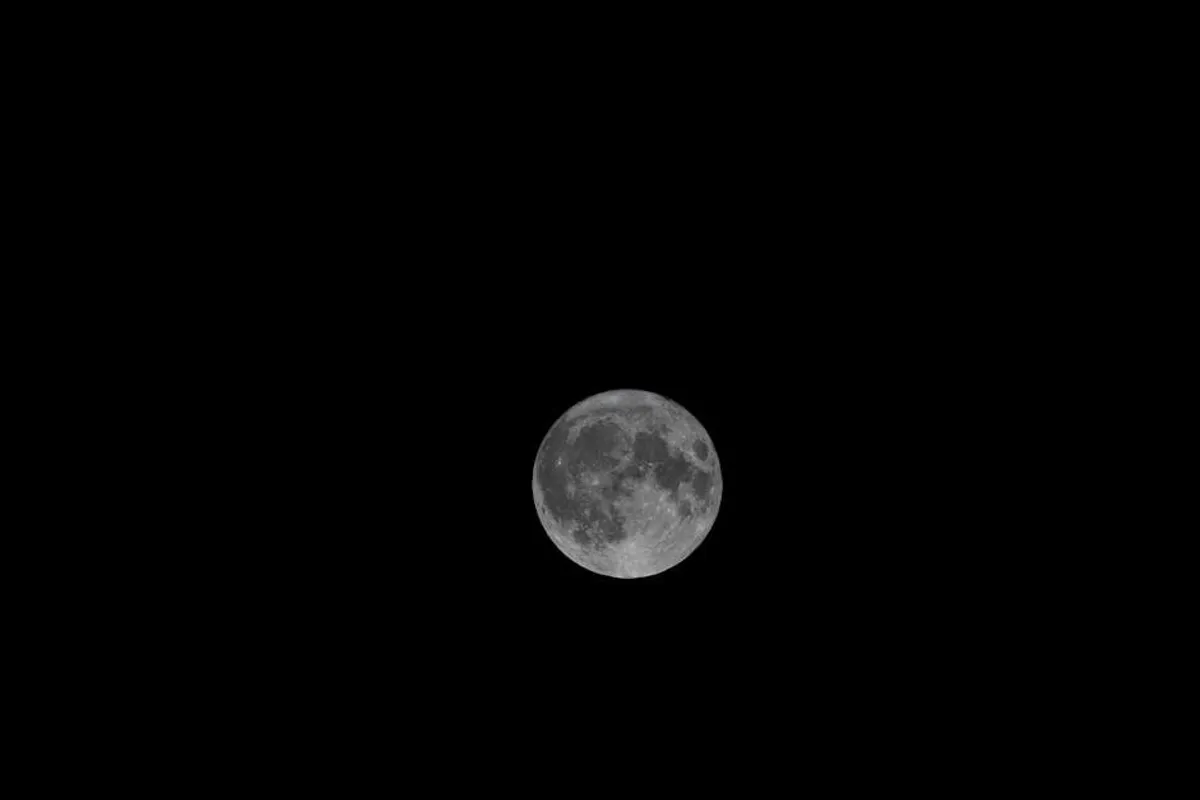
Creative professionals often seek structured approaches to manage their workflow and energy, moving beyond conventional project timelines. Integrating a moon phases checklist offers a distinct framework for aligning creative tasks with natural cycles of initiation, development, completion, and reflection. This method provides a rhythmic structure that can enhance focus, optimize task allocation, and mitigate creative burnout by encouraging intentional breaks and periods of review.
Instead of viewing creativity as a constant output demand, this approach leverages the distinct energies associated with each lunar phase to guide specific types of work. It is not about supernatural influence, but about adopting an ancient, observable rhythm to compartmentalize and prioritize creative efforts, making the process more intuitive and less prone to stagnation or rushed finishes.
Understanding the Lunar Creative Cycle
The moon's 29.5-day cycle is a predictable progression of phases, each traditionally linked with different energetic qualities. For creative work, these phases can serve as a natural project management template, suggesting optimal times for brainstorming, execution, refinement, and rest. By consciously assigning specific creative activities to corresponding lunar phases, individuals can establish a more harmonious and productive workflow.
- New Moon: Intent & Conception – A period of new beginnings, ideal for planting seeds of ideas.
- Waxing Phases: Growth & Development – The moon grows from invisible to full, symbolizing expansion and building.
- Full Moon: Culmination & Release – The peak of energy, perfect for completion and sharing.
- Waning Phases: Reflection & Release – The moon shrinks, encouraging review, editing, and letting go.
New Moon: Initiating Projects and Setting Intentions
The New Moon marks the beginning of a fresh lunar cycle, making it an opportune time for new starts. This phase is characterized by introspection and the formulation of intentions, making it valuable for the foundational stages of any creative endeavor.
Creative Actions for the New Moon:
- Brainstorming Sessions: Dedicate time to free-form idea generation, exploring new concepts without immediate judgment.
- Project Outlining: Sketch initial structures for new projects, whether it's a content calendar, a book outline, or a design brief.
- Skill Acquisition Planning: Identify new tools, software, or techniques to learn, and map out a learning path.
- Goal Setting: Articulate clear, measurable objectives for the upcoming lunar cycle's creative output.
Best for: Conceptualization, strategic planning, starting from a blank slate.
Waxing Phases: Building Momentum and Execution
As the moon grows from a thin crescent to a full orb, its waxing phases represent increasing energy, growth, and development. This is the period for active creation, problem-solving, and bringing initial ideas to fruition.
Creative Actions for Waxing Phases:
- Waxing Crescent (Emergence): Begin initial research, gather resources, and produce rough drafts or preliminary sketches. Focus on getting ideas out of your head and onto paper or screen.
- First Quarter (Action & Obstacles): Engage in active creation. This phase often brings challenges, making it suitable for problem-solving, debugging, and overcoming initial hurdles in the creative process.
- Waxing Gibbous (Refinement & Expansion): Develop and refine your work. Add details, expand on core themes, and prepare for the final stages. This is a period for deep work and iterative improvements.
Best for: Active production, detailed development, iterative design, overcoming creative blocks.
Pro Tip: Do not treat this checklist as a rigid schedule. The goal is to align your energy with the prevailing lunar phase, not to force tasks that don't fit your immediate creative flow. If a breakthrough idea strikes during a "reflection" phase, capture it, but perhaps defer deep execution until the waxing period. Flexibility is key to sustainable creative output.
Full Moon: Completion, Launch, and Celebration
The Full Moon signifies culmination, illumination, and completion. This is the peak energy point, ideal for showcasing finished work, launching projects, and celebrating achievements.
Creative Actions for the Full Moon:
- Project Finalization: Perform final edits, quality checks, and approvals for projects nearing completion.
- Launch & Publication: Release new content, publish articles, launch products, or present finished artwork.
- Feedback & Review: Share work with trusted peers or clients for final feedback, capitalizing on the heightened visibility.
- Celebration & Acknowledgment: Take time to acknowledge progress and celebrate milestones, reinforcing positive creative habits.
Best for: Public release, final reviews, showcasing, recognizing accomplishments.
Waning Phases: Reflection, Editing, and Releasing
As the moon diminishes towards the New Moon, the waning phases encourage introspection, release, and preparation for the next cycle. This is the time for editing, analyzing results, and clearing creative space.
Creative Actions for Waning Phases:
- Waning Gibbous (Refinement & Documentation): Conduct thorough editing, proofreading, and detailed revisions. Document processes, create templates, or organize files for future reference.
- Last Quarter (Release & Declutter): Evaluate what worked and what didn't. Archive old projects, declutter digital and physical workspaces, and release ideas that no longer serve your creative direction.
- Waning Crescent (Rest & Recharge): Prioritize rest, creative incubation, and passive learning. Allow ideas to marinate without pressure, preparing your mind for the next New Moon cycle.
Best for: Critical analysis, deep editing, administrative tasks, creative rest, strategic planning for future cycles.
Integrating the Lunar Checklist into Your Workflow
To effectively use this moon phases checklist, begin by tracking the lunar cycle. Many digital calendars and apps provide this information. Mark the key phases in your project management tool or personal planner. Then, for each upcoming phase, review your current projects and assign tasks that align with the suggested activities. For instance, if a New Moon is approaching, dedicate time to brainstorming for a new client brief. As the Full Moon nears, schedule the final review and publication of a blog series. This structured approach helps distribute different types of creative energy throughout the month, preventing overload during intense production periods and ensuring adequate time for reflection and planning.
Next Steps for Creative Flow
Adopting a moon phases checklist provides a structured yet flexible framework for creative professionals to manage their projects and energy. By aligning specific tasks with the natural rhythm of the lunar cycle, you can optimize periods for ideation, execution, completion, and reflection. This systematic approach can lead to more consistent output, reduced burnout, and a deeper understanding of your personal creative flow. Experiment with this framework, noting how different tasks feel during various phases, and adjust it to fit your unique creative process.
Frequently Asked Questions
How do I track moon phases accurately?
Many free smartphone apps, online calendars, and even dedicated moon phase trackers provide accurate daily lunar information, including the exact times of New, First Quarter, Full, and Last Quarter moons. Integrating this into your digital calendar allows for easy planning.
Is this approach suitable for all types of creative work?
Yes, the framework is adaptable across various creative disciplines, from writing and graphic design to software development and marketing campaigns. The core principle is aligning task types (ideation, execution, review) with the energetic flow of the lunar cycle, which applies broadly.
What if my project deadlines don't align with the moon phases?
The moon phases checklist serves as a guide for optimizing your internal workflow and energy, not a rigid external deadline setter. Use it to inform *how* you approach tasks within existing project timelines. For instance, if a deadline falls during a "waning" phase, focus on efficient finalization and quality control, saving new ideation for the next "new moon" window.