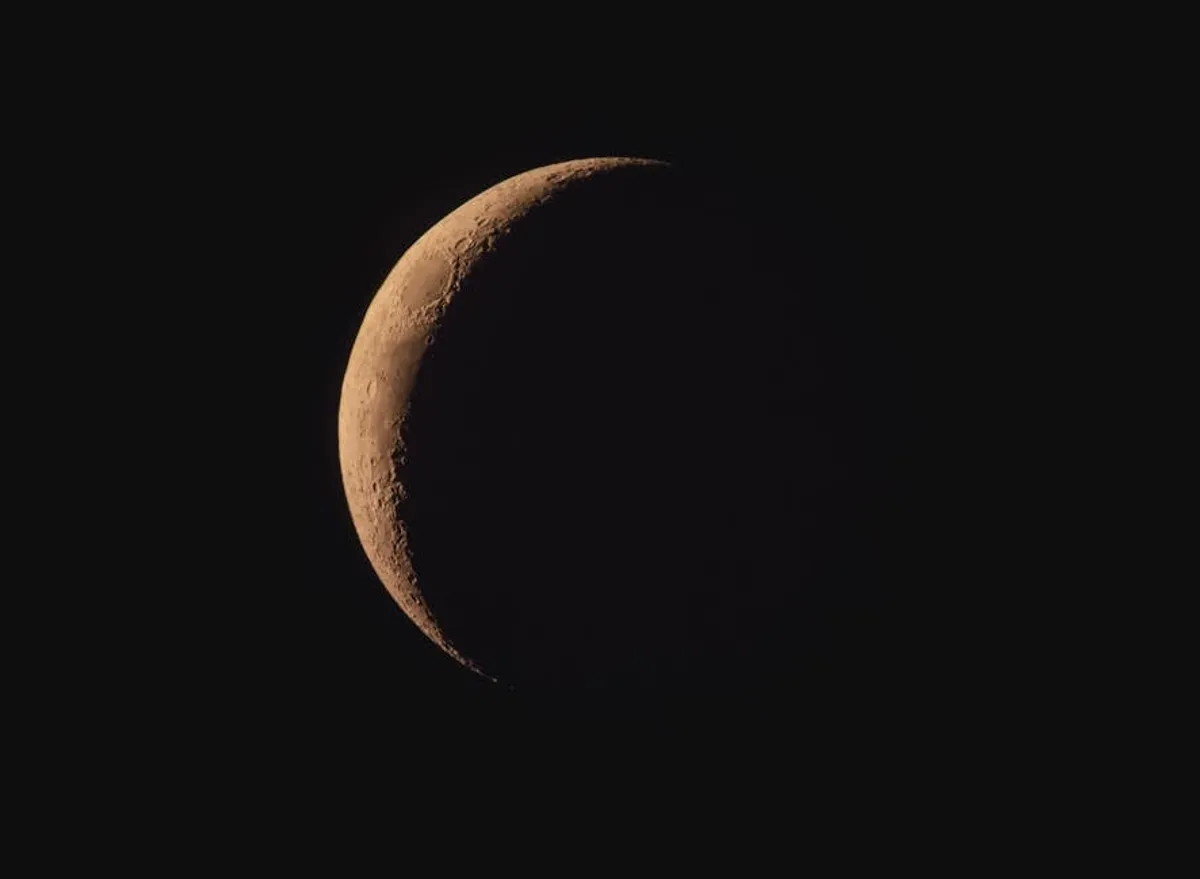
Remote work offers unparalleled flexibility, but this freedom often comes with the challenge of self-direction, maintaining focus, and managing energy without the traditional office structure. Many remote professionals struggle with burnout, inconsistent productivity, and the mental load of constant self-scheduling. While conventional productivity systems offer frameworks, they often overlook the natural ebbs and flows of human energy. A moon phases checklist provides an alternative, cyclical approach to task management and energy allocation, offering a structured yet flexible system to align your work with natural rhythms. This isn't about astrology; it's about leveraging observed patterns in nature to optimize your personal workflow and prevent the common pitfalls of remote work.
Understanding the Lunar Cycle for Productivity
The lunar cycle, approximately 29.5 days, moves through distinct phases, each carrying a different energetic quality that can be mapped to various types of work. By understanding these phases, remote workers can intentionally schedule tasks that align with their natural energy levels and cognitive states, fostering more effective work habits and reducing mental fatigue.
New Moon: Setting Intentions and Planning
The New Moon marks a fresh start, a period of quiet introspection and new beginnings. Energy levels are typically lower, making it an ideal time for internal, strategic work rather than outward execution. This phase supports ideation and foundational planning.
Best for: Brainstorming new projects, setting quarterly or monthly goals, outlining content, strategic planning, learning new skills, meditation, and vision boarding. Avoid heavy client communication or demanding creative output.
Waxing Crescent to First Quarter: Building Momentum and Execution
As the moon begins to wax, energy starts to build. This is a dynamic period for initiating projects and taking decisive action. The First Quarter Moon, halfway to the Full Moon, is a critical point for overcoming initial obstacles and pushing forward with momentum. Focus on starting tasks and gathering resources.
Best for: Kicking off new tasks, drafting initial content, launching small initiatives, active problem-solving, research, and collaborative meetings that require active participation. This is when you put your New Moon plans into motion.
Full Moon: Review, Showcase, and Collaborate
The Full Moon is a peak energy period, characterized by illumination and completion. It's a time for bringing projects to fruition, presenting results, and engaging in high-visibility activities. Communication and collaboration are often heightened during this phase.
Best for: Finalizing deliverables, publishing content, presenting reports, client pitches, networking events, seeking feedback, and celebrating achievements. Schedule your most impactful and outward-facing work here.
Waning Gibbous to Last Quarter: Refinement and Reassessment
Following the Full Moon, energy begins to wane, shifting towards reflection and refinement. The Waning Gibbous phase is excellent for analyzing data, editing, and optimizing existing work. The Last Quarter Moon encourages reassessment and letting go of what no longer serves your goals.
Best for: Editing and proofreading, data analysis, optimizing existing campaigns, reviewing processes, providing constructive feedback, and delegating tasks. This is a strong period for tidying up loose ends and preparing for the next cycle's planning phase.
Balsamic Moon: Rest, Reflection, and Recharge
The Balsamic Moon, the last sliver before the New Moon, is a time of deep rest, release, and introspection. Energy levels are at their lowest, signaling a need for self-care and preparation for the upcoming cycle. This phase is crucial for preventing burnout.
Best for: Deep work that requires minimal external interaction, learning, personal development, professional development courses, clearing your workspace, resting, and reflecting on the past cycle's lessons. Avoid scheduling demanding tasks or major decisions.
Practical Application: Crafting Your Lunar Workflow
Integrating moon phases into your remote work routine requires intentionality and a willingness to experiment. The goal is to create a flexible system that supports your productivity without adding rigidity.
Step 1: Track the Phases
Utilize a lunar calendar app, a dedicated moon phase calendar, or even a simple online search to identify the current and upcoming moon phases. Integrate these dates into your digital calendar (Google Calendar, Outlook) or a physical planner. Knowing the phase allows you to anticipate energy shifts.
Step 2: Assign Task Types
Based on the energetic qualities described above, categorize your typical work tasks. Create a list of tasks best suited for each phase. This involves a degree of self-awareness regarding which tasks drain or energize you.
- New Moon: Strategy documents, outlining new articles, skill development, personal goal setting.
- Waxing Moon: Drafting reports, coding new features, initial client outreach, project kick-offs.
- Full Moon: Launching marketing campaigns, delivering final presentations, publishing blog posts, high-stakes negotiations.
- Waning Moon: Editing existing content, analyzing website traffic, refining workflows, providing team feedback.
- Balsamic Moon: Catching up on industry reading, administrative tasks, personal learning, deep rest.
Step 3: Integrate with Existing Tools
Use your project management software (e.g., Asana, Trello) or task list applications to tag tasks with their corresponding moon phase. When planning your week or month, consult your lunar calendar to inform your task allocation. This doesn't mean deferring urgent tasks, but rather prioritizing and scheduling non-urgent work strategically.
Step 4: Personalize and Adapt
The moon phase checklist is a guide, not a rigid rulebook. Pay attention to your own energy levels and how they align with the lunar cycle. Some individuals may feel a stronger pull during certain phases than others. Adjust your task assignments based on your personal experience and the demands of your specific remote role.
Pro Tip: Do not force alignment. If an urgent task arises during a "rest" phase, address it. The moon phase checklist is a framework for optimizing your default workflow, not for creating artificial constraints. Observe your personal energy patterns over several cycles to find your unique rhythm.
Integrating Lunar Rhythms for Sustainable Remote Productivity
Adopting a moon phases checklist for remote work offers a nuanced approach to productivity that goes beyond linear task completion. It encourages a more sustainable work rhythm, acknowledging that high-energy output cannot be maintained indefinitely. By consciously aligning tasks with natural cycles, remote workers can experience reduced stress, improved focus, and a more intuitive understanding of their own capacity.
This framework provides a structure for self-management that is particularly valuable in the often-unbounded environment of remote work. It helps to prevent the common remote work pitfalls of overworking during high-energy periods and feeling guilty during necessary rest periods. Instead, it normalizes these fluctuations, integrating them into a productive and healthy cycle.
FAQ
Is this approach based on astrology?
No, this framework is a productivity and energy management tool. It observes the natural cyclical patterns of the moon as a metaphor for human energy and focus, rather than relying on astrological predictions or influences. The goal is to provide a structured way to plan tasks and manage personal energy in remote work settings.
How quickly can I expect to see results from using a moon phases checklist?
Results can vary, but most individuals report noticing shifts in their productivity and energy management within one to two lunar cycles (approximately 1-2 months). Consistent tracking and adaptation are key to understanding your personal alignment with these rhythms.
Can this method be adapted for remote teams?
While primarily designed for individual remote workers, the principles can be discussed within a team. For instance, teams could schedule brainstorming sessions during New Moon phases or project reviews around the Full Moon. However, individual adaptation remains crucial, as personal energy responses to lunar cycles can differ.
What if my work schedule doesn't always align with the moon phases?
The moon phases checklist is a guideline, not a rigid mandate. Its purpose is to help you optimize your *available* time and energy. If urgent tasks arise or your schedule is inflexible, prioritize your immediate responsibilities. The framework is most effective when used to strategically plan non-urgent or flexible tasks, allowing you to flow with your natural energy when possible.