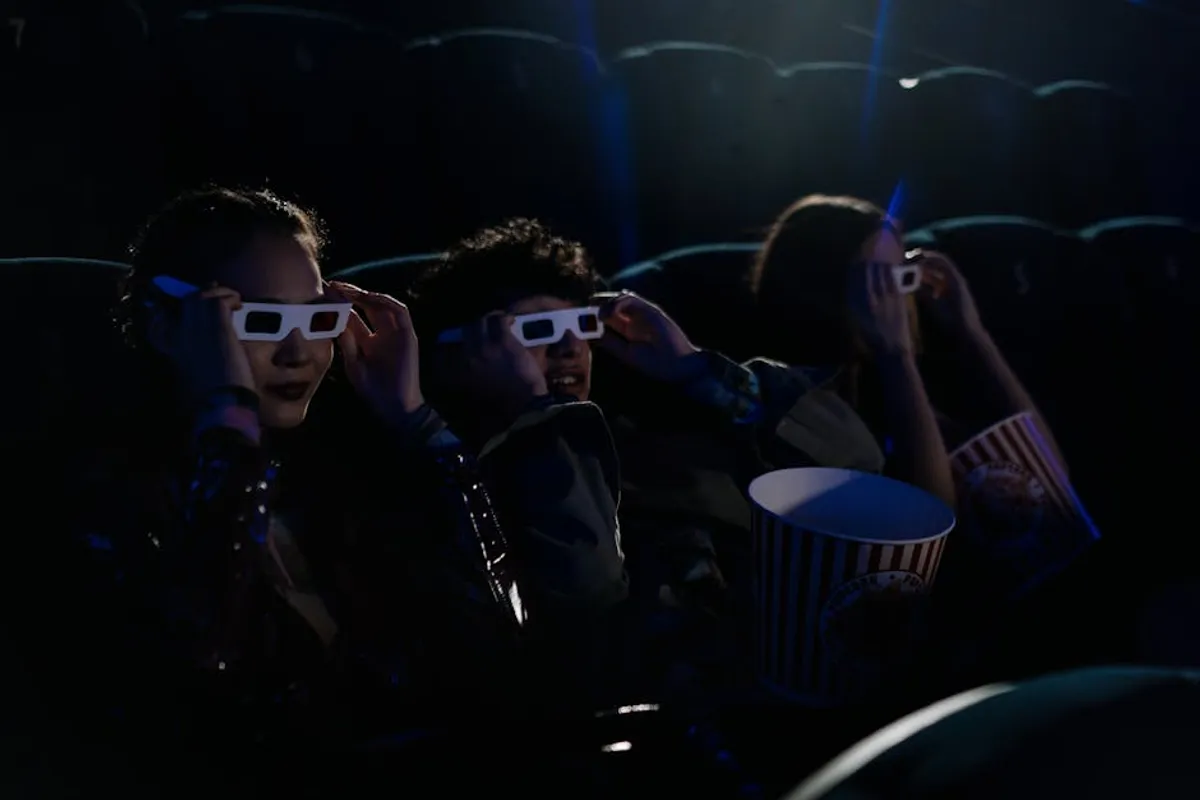
Transforming a casual evening of screen time into a memorable family movie night requires more than just picking a film. It involves deliberate planning, from selecting the right feature to curating the viewing environment and managing post-show logistics. A structured approach, using a comprehensive checklist, ensures that every detail contributes to a cohesive and enjoyable experience, preventing last-minute scrambles or overlooked elements that can detract from the fun. This guide outlines essential considerations and practical steps to orchestrate a successful movie night for families, focusing on preparation, comfort, and engagement.
Setting the Scene: Pre-Movie Preparations
Choosing the Feature Presentation
The film selection sets the tone for the entire evening. Prioritize age-appropriateness, ensuring content aligns with all family members present. Consider a rotating selection process where each family member takes a turn choosing, or hold a democratic vote from a pre-vetted list. For younger children, review Common Sense Media ratings or similar resources for content advisories beyond standard MPAA ratings. Decide between streaming services, digital rentals, or physical media well in advance to avoid technical delays or subscription issues. This pre-selection reduces arguments and ensures everyone has a vested interest in the chosen movie.
Optimizing the Viewing Environment
The physical space significantly impacts immersion. Dim overhead lights or use ambient lamps to create a cinematic atmosphere without complete darkness, which can be disorienting. Test audio levels to ensure dialogue is clear and sound effects are impactful but not overwhelming. Arrange seating for maximum comfort and visibility for all viewers, considering floor pillows, bean bags, or extra blankets. Adjust room temperature to a comfortable level, as a too-warm or too-cold room can distract from the film. Finally, minimize potential distractions: silence phones, close blinds to block external light, and ensure pets are settled or contained if they tend to interrupt.
The Culinary Corner: Snacks and Drinks
Classic Concessions and Creative Twists
No movie night is complete without snacks. Popcorn remains a staple; experiment with different seasonings like nutritional yeast for a cheesy flavor, cinnamon sugar, or a dash of hot sauce powder. Beyond popcorn, consider a candy bar setup with small bowls of various treats, allowing everyone to customize their mix. For healthier alternatives, offer sliced fruit, vegetable sticks with dip, or yogurt parfaits. Themed snacks, such as blue "ocean" jello for an aquatic film or "light saber" pretzel rods for a space adventure, add a creative layer and enhance engagement with the movie's theme.
Hydration Station
Alongside snacks, plan for drinks. Basic options include water, juice boxes, or sodas. Elevate the experience with special "mocktails" – sparkling water mixed with fruit juice and garnishes, or homemade lemonade. Using reusable cups with lids can prevent spills in a darkened room and reduce cleanup later. Ensure drinks are prepared and easily accessible before the movie starts to minimize interruptions.
Enhancing the Experience: Activities and Comfort
Pre-Show Entertainment
Build anticipation with pre-movie activities. A short, themed trivia game related to the movie or its genre can engage everyone. Simple crafts, like drawing characters from the film or making homemade movie tickets, can entertain younger children. These activities transition the family from their daily routines into the special event of movie night, making it feel more like an occasion.
Comfort Crew
Maximize physical comfort. Encourage everyone to wear pajamas or comfortable loungewear. Provide an abundance of blankets and pillows, allowing each person to create their cozy nest. Designate specific viewing spots, especially if space is limited, to prevent disputes over prime seating. Consider a "comfort check" five minutes before the movie begins to ensure everyone has what they need.
Pro Tip: Establish a clear "no-pause" policy for the first half of the movie, except for emergencies. This maintains immersion and prevents frequent interruptions that can disrupt the viewing flow. Communicate this rule beforehand, along with designated bathroom breaks if necessary.
Movie Night Ideas Checklist for Families
- Film selection confirmed and accessible (streaming, digital, physical).
- Viewing area prepared (lights dimmed, sound tested, seating arranged).
- Snacks prepared and portioned (popcorn, candy, healthy options).
- Drinks ready and accessible (water, special beverages).
- Comfort items gathered (blankets, pillows, PJs).
- Pre-show activity planned (trivia, craft, game).
- Distractions minimized (phones silenced, blinds closed).
- Cleanup strategy outlined (designated trash, post-movie roles).
- Post-movie discussion points considered.
Post-Credits Protocol: Cleanup and Reflection
Streamlined Cleanup Strategy
Anticipate the post-movie mess. Place a designated trash bag or bin within easy reach of the viewing area for snack wrappers and empty cups. A quick, collective tidy-up immediately after the credits roll prevents a larger task later. Assigning simple cleanup roles beforehand, like one person collecting blankets and another handling snack bowls, makes the process efficient and prevents any single person from feeling burdened.
Family Feedback Loop
Conclude the evening with a brief discussion. Ask everyone for their favorite part of the movie, what they learned, or what they would rate it. This encourages critical thinking and shared reflection. Use this opportunity to gather input for the next movie night, asking what genres or themes the family would like to explore. This feedback loop ensures future movie nights continue to evolve and cater to everyone's preferences, making the tradition sustainable and enjoyable.
Making Every Movie Night a Feature Event
A well-executed family movie night is more than just watching a film; it's about creating shared experiences and lasting memories. By systematically addressing film selection, environmental setup, culinary provisions, comfort, and post-event logistics, families can elevate a simple evening into a cherished tradition. The checklist approach removes guesswork and stress, allowing everyone to fully immerse themselves in the joy of storytelling and togetherness. Consistent planning ensures that each movie night feels special, fostering connection and providing a reliable source of family entertainment.
Frequently Asked Questions
How often should we plan family movie nights?
The ideal frequency depends on your family's schedule and preferences. Many families opt for a weekly or bi-weekly movie night to maintain consistency, while others prefer monthly to make it feel like a more significant event. The key is to find a rhythm that works without becoming a chore.
What if family members can't agree on a movie choice?
Implement a rotating selection system where each family member takes a turn choosing the film. Alternatively, create a pre-approved list of several options and use a random selector or a democratic vote. Setting clear rules for selection in advance minimizes disagreements.
How can we make movie night affordable?
Utilize existing streaming subscriptions or check out physical movies from a local library. Prepare homemade snacks instead of buying expensive pre-packaged options from stores. Focus on comfort items you already own, like blankets and pillows, rather than purchasing new accessories.
Are there ways to make movie night educational?
Choose documentaries or historical dramas that align with school subjects or family interests. Following the movie, engage in discussions about the themes, historical accuracy, or scientific concepts presented. Complement the viewing with related books or online resources for deeper exploration.