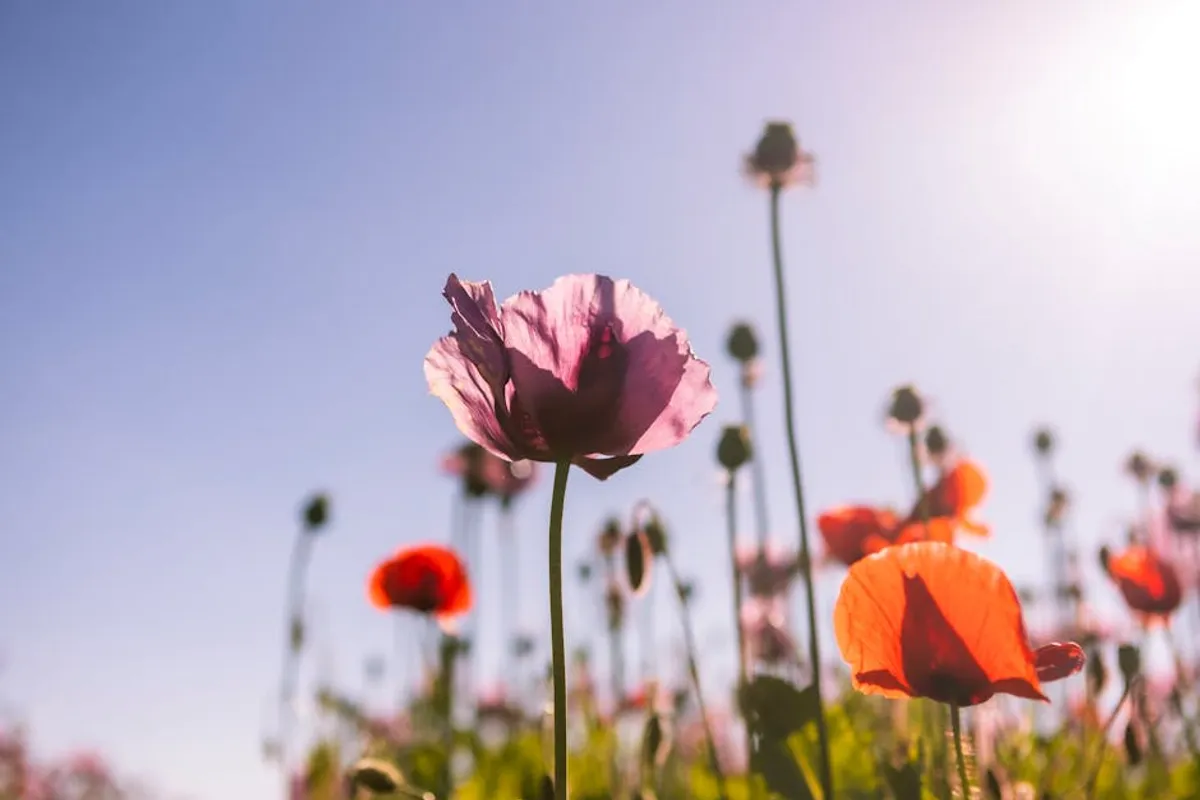
Poppy flowers, with their often delicate petals and striking colors, hold a complex and multifaceted symbolic weight across cultures and throughout history. For anyone seeking to communicate specific sentiments through floral arrangements, art, or written content, understanding these layers of meaning is essential. The choice of a poppy, or its representation, is rarely neutral; it can convey messages ranging from profound remembrance and peace to vivid imagination and even luxury, depending on its color and context.
The Enduring Symbolism of the Poppy Flower
The poppy's symbolism is deeply rooted in its biological characteristics and historical associations. Its ephemeral beauty, often blooming for a short period, has linked it to themes of transient pleasure and the fleeting nature of life. Historically, its connection to sleep and oblivion stems from the opium poppy (Papaver somniferum), from which opiates are derived, leading to associations with rest, dreams, and even death.
Ancient Roots and Mythology: In ancient Greek and Roman mythology, poppies were strongly associated with sleep, night, and death. Morpheus, the god of dreams, was often depicted wearing a crown of poppies. Demeter, the goddess of agriculture and fertility, also had poppies as her emblem, symbolizing fertility and the bountiful harvest, likely due to their prolific seed production. Their presence in fields of grain further solidified this connection to sustenance and life cycles.
Victorian Floriography: During the Victorian era, when the "language of flowers" (floriography) was popular, the poppy was assigned specific meanings. While general symbolism included sleep and oblivion, different colors began to carry more nuanced messages. This period formalized many of the color-specific interpretations that persist today, allowing for subtle communication through floral gifts.
Color-Specific Interpretations of Poppies
The specific hue of a poppy significantly alters its symbolic message. This distinction is critical for precise communication.
Red Poppies: Remembrance and Passion
The red poppy is perhaps the most universally recognized symbol, primarily due to its association with military remembrance. Its prevalence on the battlefields of Flanders during World War I, as immortalized in John McCrae’s poem "In Flanders Fields," cemented its status as a symbol of sacrifice, bloodshed, and the fallen. Beyond this poignant connection, red poppies also signify pleasure, passion, and deep love, reflecting the vibrant intensity of the color itself.
White Poppies: Peace and Consolation
White poppies typically symbolize peace, consolation, and remembrance for all victims of war, including civilians. They also represent sleep and purity. In some contexts, white poppies are chosen as an alternative to red poppies to express a broader message of peace and a desire to end all conflict, rather than specifically honoring military personnel.
Pink and Purple Poppies: Imagination and Luxury
Less common in widespread symbolic use, pink and purple poppies often convey messages of imagination, fantasy, and luxury. Pink can suggest dreams and success, while purple, historically associated with royalty and wealth, reinforces themes of opulence and achievement. These colors lend themselves to more artistic or celebratory expressions.
Yellow and Orange Poppies: Joy and Success
Yellow and orange poppies embody cheerfulness, vitality, and success. Yellow, a color of sunshine and optimism, suggests a bright future and positive energy. Orange poppies share this vibrancy, often symbolizing enthusiasm and a zest for life. They are suitable for conveying congratulations or wishing good fortune.
Key symbolic associations by color:
- Red: Remembrance, sacrifice, consolation, passion, pleasure.
- White: Peace, sleep, purity, remembrance for all victims.
- Pink: Imagination, dreams, success.
- Purple: Luxury, enchantment, achievement.
- Yellow/Orange: Cheerfulness, vitality, success, optimism.
Pro Tip: When incorporating poppy symbolism into branding, event planning, or content creation, always consider the specific shade and the cultural context of your audience. A red poppy carries a different weight in a memorial context than in a celebratory one, and white poppies have distinct associations related to peace activism. Clarity of intent prevents misinterpretation.
Navigating Poppy Symbolism for Intentional Communication
The diverse meanings attributed to poppies necessitate careful consideration when using them in any communicative capacity. Whether selecting flowers for a specific event, designing a logo, or crafting a narrative, the poppy offers a rich palette of meanings. Its ability to represent both profound sorrow and vibrant joy, transient beauty and enduring memory, makes it a powerful but nuanced symbol. Understanding these layers ensures that the intended message is conveyed accurately and resonates with the audience's cultural and emotional understanding.
Frequently Asked Questions
What is the primary meaning of the red poppy?
The primary meaning of the red poppy is remembrance, particularly for fallen soldiers and victims of war, stemming from its association with World War I battlefields. It also symbolizes sacrifice, consolation, and occasionally, pleasure or passion.
Do white poppies have a different meaning than red poppies?
Yes, white poppies specifically symbolize peace and remembrance for all victims of war, including civilians, often advocating for a broader message of non-violence and an end to conflict, distinct from the military remembrance associated with red poppies.
Are poppies always associated with death or sleep?
While poppies have historical ties to death, sleep, and oblivion due to their ancient mythological connections and the opium poppy's properties, their symbolism is not exclusively negative. They also represent peace, remembrance, imagination, luxury, vitality, and success, depending on their color and cultural context.
Can poppy colors be combined for different meanings?
Combining poppy colors can create layered meanings, though clarity is paramount. For instance, red and white poppies together might convey remembrance for sacrifice alongside a wish for peace. However, ensure the combined message remains coherent and avoids ambiguity for the intended audience.