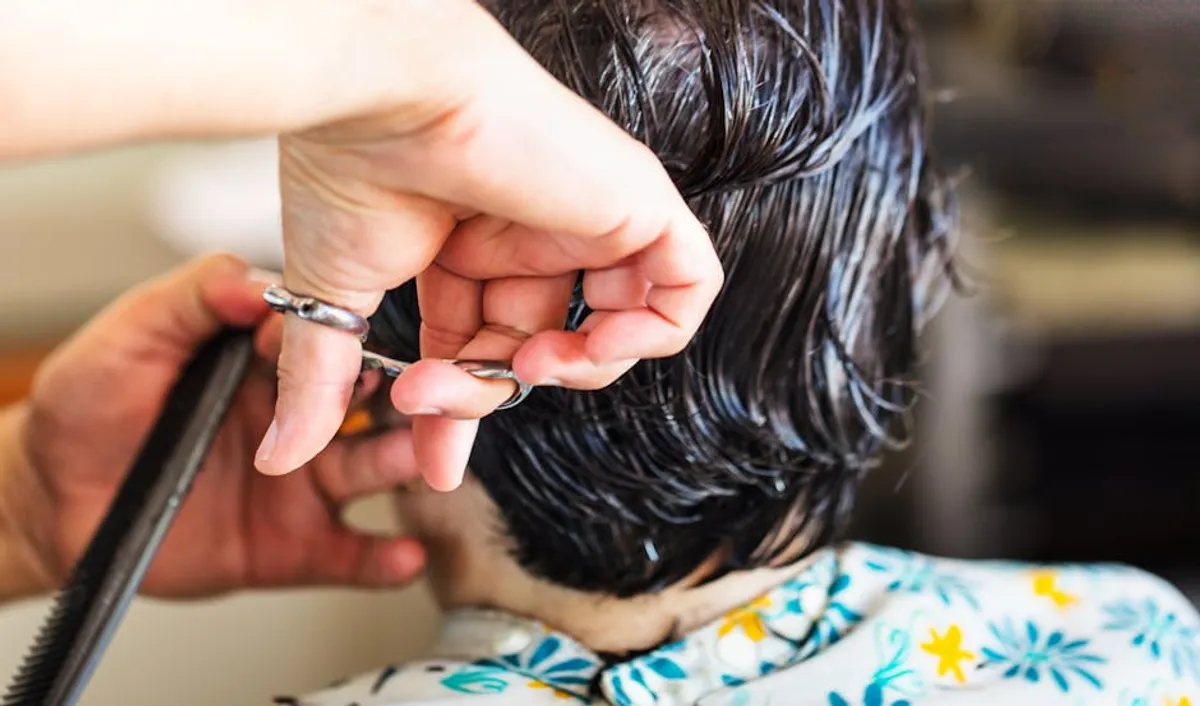
For women over 40, choosing a short haircut is less about conforming to an age-specific trend and more about embracing a practical, stylish, and often empowering aesthetic. Hair texture and density can shift with age, making longer styles feel heavy, lack volume, or require extensive upkeep. A well-executed short cut can address these changes, providing structure, emphasizing facial features, and delivering a modern, confident look with reduced styling effort. The decision involves considering current hair health, desired maintenance level, and how a specific cut complements individual face shape and personal style.
Navigating Hair Texture and Volume Shifts
As hair matures, its characteristics often change, impacting how different cuts perform. Understanding these shifts is crucial for selecting a short style that works with, rather than against, your natural hair. Hair may become finer, lose density, or develop a coarser texture, all of which influence volume and manageability.
Fine Hair Considerations
Fine hair, which tends to lose volume with age, benefits significantly from strategic short cuts. Blunt bobs or pixies with subtle layering at the crown can create an illusion of fullness and density. Avoid excessive thinning or long, wispy layers, as these can make fine hair appear even sparser. Instead, focus on clean lines and a solid perimeter to build a foundation of body. Products designed for volume, such as mousse or root-lifting sprays, become essential styling aids to maintain lift and shape throughout the day.
Thick Hair Management
Conversely, thick hair can become heavy and unmanageable if not cut correctly. For women over 40 with abundant hair, short styles offer an opportunity to reduce bulk and introduce movement. Graduated bobs or shags with internal layering can remove weight without sacrificing shape. An undercut, subtly placed at the nape, can also significantly lighten the load, providing comfort and a sleek silhouette without being overtly visible. The goal is to create flow and prevent the cut from appearing helmet-like, ensuring the hair moves naturally and styles easily.
Defining Short Haircut Styles for Women Over 40
Modern short haircuts offer a diverse range of options, each capable of enhancing different features and suiting varied lifestyles. The key is to select a style that aligns with your personal aesthetic and practical needs.
The Classic Pixie Cut
The pixie cut remains a perennial favorite for its low maintenance and sharp, defined aesthetic. For women over 40, it can highlight strong facial features like cheekbones and jawlines, projecting confidence. Variations include the elongated pixie, which leaves more length on top for styling versatility (e.g., side-swept bangs or a slight pompadour), and the layered pixie, which introduces texture and volume, effectively counteracting any perceived flatness in fine hair. Regular trims, typically every 4-6 weeks, are essential to maintain its precise shape.
The Modern Bob
The bob, in its many iterations, offers a versatile short option that can range from chin-length to just above the shoulders. The A-line bob, with its slightly longer front pieces, frames the face elegantly and can create an elongating effect. A graduated bob builds volume at the back, providing a youthful lift, while a blunt bob delivers a sophisticated, impactful statement. For those seeking more movement, a shaggy bob incorporates layers that add texture and reduce styling time, often looking best with minimal effort. This style adapts well to various hair textures and can be customized to suit different face shapes.
The Shag Cut
The shag cut, characterized by its layered, often choppy texture, is an excellent choice for adding movement and volume, particularly beneficial for hair that has lost some of its natural bounce. Its inherent texture can camouflage thinning areas and reduce the need for extensive heat styling, making it a low-effort, high-impact option. A soft shag can be adapted to various lengths, often featuring face-framing layers and a fringe that blends seamlessly. It works particularly well with natural waves or slight curls, enhancing the cut's lived-in appeal.
The Undercut or Asymmetrical Short Cut
For a bolder, contemporary statement, an undercut or an asymmetrical short cut offers a distinct edge. An undercut, where the hair on the lower section of the head is cut very short or shaved, can reduce bulk in thick hair while adding an unexpected, modern detail. Asymmetrical cuts, featuring one side longer than the other, create dynamic lines and can draw attention to specific facial features, such as the eyes or a prominent jawline. These styles require a certain level of confidence and a willingness to embrace a more avant-garde aesthetic, often requiring a skilled stylist to execute precisely.
Pro Tip: Before committing to a drastic short cut, consult with a stylist who specializes in mature hair. Bring reference photos, but be open to their professional assessment of how a style will work with your specific hair texture, growth patterns, and facial structure. A skilled stylist can offer tailored advice that considers your hair's unique characteristics and your lifestyle demands.
Matching Short Cuts to Your Face Shape
The ideal short haircut harmonizes with your face shape, enhancing your best features and balancing proportions.
- Round Faces: Opt for styles with height at the crown and minimal width at the sides to elongate the face. Pixies with longer, swept-back tops or bobs that fall below the chin with some asymmetry can be particularly flattering.
- Oval Faces: Considered the most versatile, oval faces can carry almost any short style. From classic pixies to blunt bobs, most cuts will complement this shape. Experiment with different lengths and textures.
- Square Faces: Soften angular jawlines with cuts that have layers around the face or a side-swept fringe. Graduated bobs that are slightly longer in the front or shaggy pixies can add softness and movement.
- Heart-Shaped Faces: Balance a wider forehead with a narrower chin by choosing styles that add volume around the jawline. Chin-length bobs or pixies with side-parted bangs can draw attention to the eyes and cheekbones.
Maintenance and Styling for Short Hair
While short hair often reduces overall styling time, maintaining its shape and health still requires attention to specific products and a consistent trim schedule.
Product Selection for Volume and Texture
The right products are crucial for defining and maintaining a short haircut. For fine hair, lightweight volumizing mousses or root-lifting sprays provide essential body without weighing hair down. Texturizing sprays or waxes are invaluable for pixies and shags, allowing for piecey definition and a modern, undone finish. For thicker hair, a light styling cream can help control frizz and add shine, while a strong-hold pomade might be necessary for more structured or edgy cuts. Always choose products designed for your specific hair type and desired finish to maximize the cut's potential.
Regular Trims Schedule
The precision of a short haircut necessitates regular maintenance trims. Most short styles benefit from a cut every 4-6 weeks to retain their intended shape and prevent them from growing out awkwardly. Pixie cuts, especially, show growth quickly and require more frequent visits to the salon to maintain their sharp silhouette. Neglecting regular trims can lead to a loss of definition and make the style appear unkempt, undermining the very benefits of a short cut.
Making the Cut: Practical Steps
Embracing a short haircut after 40 can be a transformative experience, offering a blend of sophistication, practicality, and modern style. The decision to cut your hair short should be an informed one, rooted in a clear understanding of your hair's unique characteristics and your lifestyle demands. By carefully considering face shape, hair texture, and the specific maintenance requirements of each style, you can select a cut that not only looks exceptional but also empowers you with renewed confidence and ease. A professional consultation is the first step towards achieving a short style that truly reflects your best self.
Frequently Asked Questions
Will short hair make me look older?
No, a well-chosen short haircut can often have the opposite effect, providing a modern, youthful, and sophisticated appearance. Shorter styles can lift the face, highlight features, and offer a fresh alternative to longer hair that may appear heavy or lack volume.
How often do I need to get short hair trimmed?
To maintain the integrity and shape of a short haircut, regular trims are essential. Depending on the specific style and how quickly your hair grows, a trim every 4 to 6 weeks is generally recommended to keep the cut looking sharp and defined.
Can I still style short hair in different ways?
Absolutely. Many short haircuts, particularly those with some length on top (like an elongated pixie or a shaggy bob), offer considerable styling versatility. You can experiment with different partings, textures (sleek, wavy, or piecey), and even add accessories like headbands or clips for varied looks.
What if my hair is thinning?
Short haircuts can be particularly beneficial for thinning hair. Strategic layering and blunt cuts can create the illusion of greater density and volume. Styles like a textured pixie or a graduated bob can effectively camouflage thinning areas and provide a fuller appearance, making the hair look healthier and more robust.