Embarking on a new hobby often feels like a significant commitment, demanding specialized equipment, considerable time, or a steep learning curve. However, the value of engaging in a personal pursuit lies not in its complexity or cost, but in its ability to offer a mental break, foster creativity, or provide a sense of accomplishment outside of daily responsibilities. This article focuses on simple hobby ideas designed for immediate engagement, requiring minimal investment of time or resources, making them accessible to integrate into even the busiest schedules this week.
Defining "Simple Hobbies"
A simple hobby distinguishes itself by its low barrier to entry. These are activities that you can typically begin with items already on hand or with a negligible initial outlay. The emphasis is on participation and enjoyment, rather than mastery or expensive gear. The goal is to provide a quick, fulfilling diversion that offers tangible benefits like stress reduction, improved focus, or a new perspective, all without adding undue pressure.
Low Cost, Low Commitment
The core principle of a simple hobby is its financial and temporal accessibility. You shouldn't need to purchase specialized tools, subscribe to expensive services, or dedicate hours daily. Many simple hobbies leverage everyday items or free online resources. This low commitment ensures that if an activity doesn't resonate, you can pivot to another idea without feeling you've wasted significant resources.
Immediate Accessibility
Immediate accessibility means these hobbies can be initiated within a day or two of deciding to try them. There's no waiting period for supplies to arrive, no extensive research required, and often, no prior skill needed. This rapid deployment allows for quick experimentation, enabling you to discover what genuinely captures your interest and provides a sense of refreshment.
Hobby Ideas You Can Start Today
Here are several categories of simple hobbies, each offering specific ideas that require minimal setup and can be explored within a week.
Creative Pursuits with Minimal Setup
Engaging your creative side doesn't require an art studio or advanced skills. These ideas leverage readily available tools to spark imagination.
- Journaling: All you need is a pen and a notebook. Journaling can range from stream-of-consciousness writing to bullet journaling, gratitude lists, or daily reflections.
Best for: Processing thoughts, improving self-awareness, practicing written expression.
- Sketching or Doodling: Grab a pencil and any paper. Focus on simple objects around you, geometric patterns, or abstract shapes. The aim is not perfection but the act of creation.
Best for: Hand-eye coordination, visual observation, stress relief.
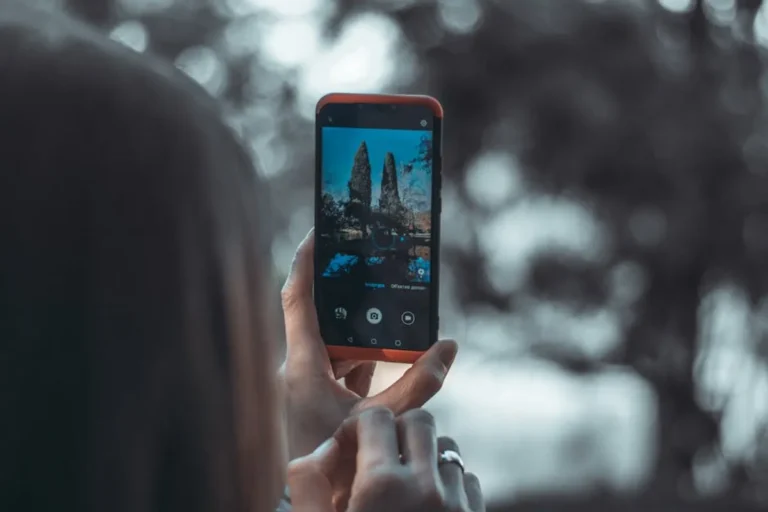
- Phone Photography: Your smartphone is a powerful camera. Experiment with composition, lighting, and everyday subjects in your environment. Many free editing apps can enhance your shots.
Best for: Visual storytelling, appreciating surroundings, technical experimentation.
- Short-Form Creative Writing: Try writing haikus, flash fiction (under 1,000 words), or daily prompts. This can be done in a notebook or a digital document.
Best for: Language development, imaginative thinking, concise communication.
Outdoor Exploration & Nature Connection
Connecting with the natural world, even in an urban setting, offers restorative benefits and requires little more than stepping outside.
- Local Walks or Urban Exploration: Dedicate 30-60 minutes to exploring a new route in your neighborhood or a nearby park. Pay attention to details you usually overlook.
Best for: Physical activity, mental clarity, discovering local points of interest.
- Birdwatching (Beginner): With just your eyes and perhaps a free bird identification app on your phone, you can start observing local bird species. A small notebook can help track your sightings.
Best for: Patience, observation skills, connecting with local wildlife.
- Simple Container Gardening: If you have a small pot, some soil, and a packet of easy-to-grow seeds (like herbs or lettuce), you can start a mini garden on a windowsill or balcony.
Best for: Nurturing, understanding plant cycles, fresh produce.
Skill-Building & Mental Engagement
These hobbies offer a gentle introduction to new skills or mental challenges without the pressure of formal learning.
- Learning Basic Knots: With a piece of rope or even shoelaces, you can learn practical knots like the square knot, bowline, or figure-eight. Numerous free tutorials exist online.
Best for: Practical skills, manual dexterity, problem-solving.
- Online Logic Puzzles or Brain Teasers: Websites and apps offer a variety of free puzzles, from Sudoku and crosswords to more complex logic grids.
Best for: Cognitive exercise, critical thinking, mental agility.
- Introductory Language Apps: Many language learning apps offer free tiers that allow you to learn basic vocabulary and phrases in a new language for a few minutes each day.
Best for: Cultural understanding, memory improvement, potential future travel.
Mindful & Restorative Activities
Sometimes, simplicity means focusing inward and engaging in activities that calm the mind and body.
- Guided Meditation or Deep Breathing: Numerous free apps and online videos provide short, guided sessions. Find a quiet space and dedicate 5-15 minutes.
Best for: Stress reduction, emotional regulation, improved focus.
- Simple Stretching Routine: Follow a beginner-friendly stretching video online or create your own routine focusing on major muscle groups. No special equipment needed.
Best for: Flexibility, muscle relaxation, body awareness.
- Mindful Cooking or Baking: Choose a simple recipe and focus entirely on the process—the textures, smells, and sounds. Avoid distractions.
Best for: Sensory engagement, stress reduction, practical skill.
Pro Tip: Don't mistake "simple" for "insignificant." The true value of these hobbies often comes from consistent, low-pressure engagement, not from achieving mastery within a week. Allow yourself to explore without the burden of perfection or long-term commitment.
Maximizing Your Simple Hobby Experience
To truly benefit from these simple hobbies, consider how you approach them and what you hope to gain.
Setting Realistic Expectations
Understand that the goal is not to become an expert in a week, but to experience the joy of trying something new and engaging. Focus on the process, the small moments of discovery, and the mental shift it provides. If a hobby doesn't click, move on. The simplicity allows for this flexibility.
Tracking Progress and Enjoyment
While not about mastery, noting your experiences can enhance enjoyment. This could be as simple as jotting down a few thoughts in a journal after a walk, saving your favorite phone photos, or noting a new word learned in a language app. This reinforces the positive impact and can motivate continued engagement.
Integrating New Hobbies into Your Routine
The key to making a simple hobby stick is to integrate it naturally into your existing week. Start with short, dedicated blocks of time—even 15-30 minutes can be effective. Consider linking the new hobby to an existing habit, such as journaling while drinking your morning coffee or taking a mindful walk during a lunch break. The low time investment means it can be a quick mental reset rather than a scheduling burden, allowing you to consistently benefit from these accessible pursuits.
Frequently Asked Questions
What if I don't feel "creative enough" for creative hobbies?
Many creative hobbies, particularly those listed, prioritize process over product. Journaling is for your eyes only; sketching can be about observation, not fine art. The goal is engagement, not exhibition. Start with simple exercises, like drawing basic shapes or free-writing, to remove performance pressure.
How do I choose the "right" simple hobby for me?
Consider what kind of mental break you need. Do you want to engage your hands, clear your mind, or learn something new? Experimentation is key. Since these hobbies require minimal commitment, try one for a few days, and if it doesn't resonate, easily switch to another idea from a different category.
I have very little free time. Can I still do a simple hobby?
Absolutely. The core of a simple hobby is its minimal time requirement. Many of these ideas can be done in 15-30 minute increments. Look for small pockets of time in your day—during a commute, a lunch break, or before bed. Consistency in short bursts is more effective than waiting for large blocks of free time that may never materialize.
What if I get bored quickly with a simple hobby?
Boredom can signal it's time to try a variation or explore a different simple hobby. The low commitment allows for this flexibility. Don't force yourself to stick with something that isn't engaging. The objective is enjoyment and mental refreshment, so pivot to another idea that sparks your interest.