Navigating small apartment living as an introvert presents a distinct set of considerations beyond typical space-saving tactics. The objective isn't merely to maximize square footage, but to cultivate a personal sanctuary that recharges energy, minimizes overstimulation, and supports focused solitude. This checklist provides actionable strategies to transform a compact dwelling into an optimized environment, recognizing that an introvert's home is often their primary refuge and a critical component of their well-being. Prioritize elements that foster calm, control sensory input, and define clear personal zones, ensuring your space works for you, not against you.
Crafting Your Introvert-Friendly Layout
The foundation of an introvert's small apartment lies in its layout. Every piece of furniture and every defined area must serve a purpose that supports quiet reflection and minimizes unwanted interaction, even with the space itself.
Defining Personal Zones
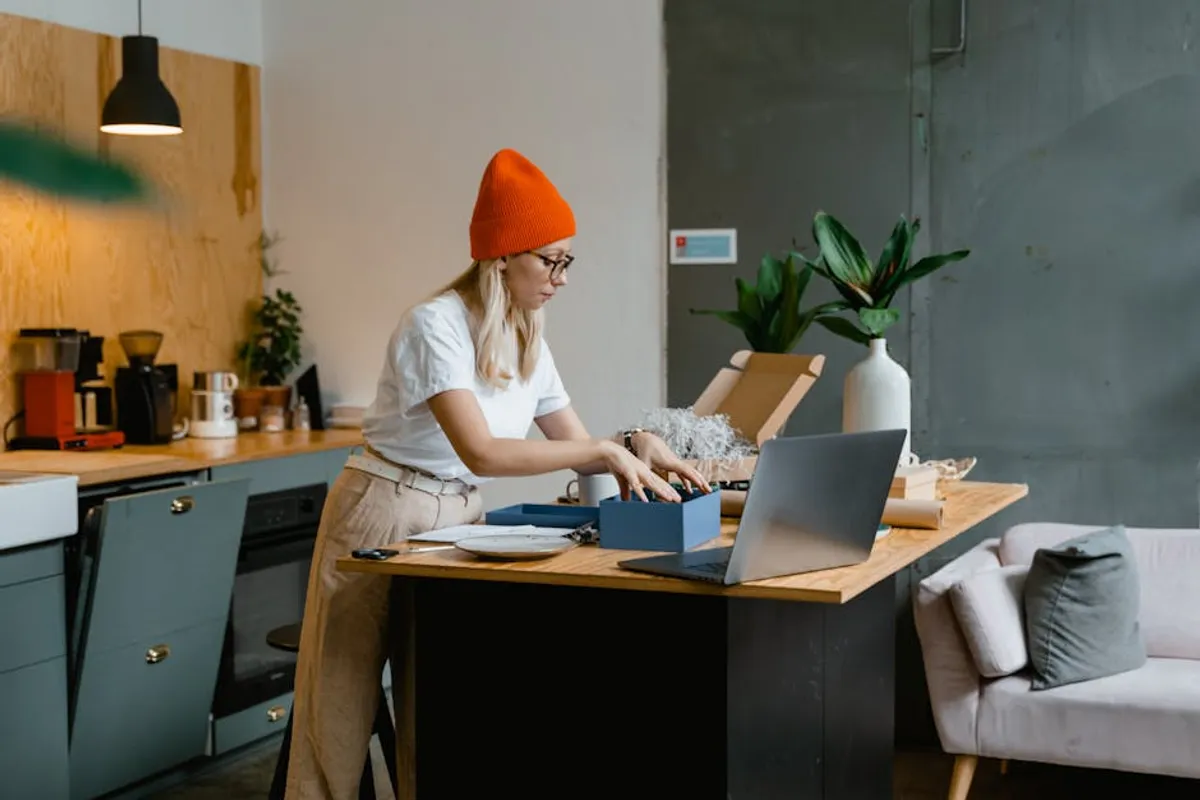
Even in a studio, establishing distinct zones is crucial. This isn't about physical walls, but visual and functional separation that signals different activities. A reading nook, a designated workspace, and a relaxation corner, for instance, can coexist. Use area rugs to delineate spaces without permanent barriers. A tall bookshelf can act as a subtle room divider, creating a visual break between sleeping and living areas. The goal is psychological partitioning; each zone should feel like a dedicated retreat for its intended function, reducing mental clutter and promoting focus.
Furniture Selection for Flow and Function
Opt for multi-functional furniture that reduces the overall footprint while offering versatility. A daybed that converts from a sofa to a guest bed, or an ottoman with integrated storage, serves multiple needs. Consider pieces with clean lines and a lower profile to maintain an open feel. Furniture should not obstruct natural pathways or views, as a cluttered path can subconsciously create a sense of confinement. Prioritize comfort and support, particularly for seating, as introverts often spend extended periods in one spot. Swivel chairs can offer flexibility, allowing you to face a window for contemplation or turn towards a workstation as needed.
Essential Comfort and Sensory Management
Introverts are often more sensitive to sensory input. Managing light, sound, and touch within a small space is paramount for creating a truly comfortable and restorative home environment.
Lighting for Mood and Focus
Layered lighting is key. Avoid harsh overhead lighting that can feel overwhelming. Instead, incorporate a mix of task lighting (for reading or working), ambient lighting (soft lamps, indirect wall sconces), and accent lighting (to highlight art or plants). Dimmers are an invaluable addition, allowing precise control over intensity. Warm-toned bulbs (2700K-3000K) promote relaxation, while cooler tones (3500K-4500K) can aid concentration in a workspace. Natural light should be maximized; use sheer curtains or blinds that allow light in while maintaining privacy.
Sound Control and Privacy
Minimizing external noise is a significant factor. Heavy curtains or blinds can reduce street noise. Consider a white noise machine or a sound machine with nature sounds to mask distracting ambient sounds. While not always feasible in small apartments, strategically placed rugs and upholstered furniture can absorb sound within the unit, preventing echoes. For privacy, ensure window coverings offer full opacity when desired, and consider a solid core door if possible to reduce sound transfer from hallways.
Tactile Comforts and Textures
Surrounding yourself with pleasing textures contributes significantly to comfort. Soft throws, plush pillows, and a comfortable rug underfoot provide a sense of warmth and security. Natural materials like cotton, linen, wool, and wood offer a grounding, organic feel. Avoid overly synthetic or scratchy fabrics that can contribute to subtle discomfort. The goal is to create a sensory landscape that is soothing and inviting, not jarring or irritating.
Streamlining and Organization
A cluttered environment can be particularly draining for an introvert. Effective organization in a small apartment directly translates to mental clarity and reduced stress.
Decluttering for Mental Clarity
Adopt a minimalist mindset. Regularly assess possessions and only keep items that are genuinely useful or bring joy. A "one in, one out" rule can prevent accumulation. Visible clutter is a constant visual distraction, drawing mental energy. For introverts, who often process information deeply, reducing external stimuli through decluttering can significantly improve focus and calm. Start with one small area and work systematically.
Smart Storage Solutions
Utilize vertical space with shelving units, wall-mounted organizers, and over-the-door solutions. Under-bed storage containers, furniture with hidden compartments, and modular systems are essential. Every item should have a designated home. Clear containers can help locate items quickly without creating visual chaos. The objective is to keep surfaces clear and create an illusion of spaciousness, which contributes to a more peaceful environment.
Integrating Nature and Personal Touches
Even in a small space, personalizing your environment and connecting with nature can provide profound benefits for an introvert's well-being.
Bringing the Outdoors In
Plants not only purify the air but also add a calming, natural element to your home. Choose low-maintenance varieties suitable for indoor conditions, such as snake plants, ZZ plants, or Pothos. A small herb garden on a windowsill can also provide a refreshing sensory experience. If natural light is limited, consider a high-quality artificial plant or botanical prints. The presence of nature has been shown to reduce stress and improve mood, making it a valuable addition to an introvert's sanctuary.
Curating Personal Expression
Display items that hold personal meaning or evoke positive memories. This could be a select piece of art, photographs, or cherished trinkets. Avoid over-decorating, as too many personal items can quickly become clutter in a small space. Focus on quality over quantity. The aim is to create a space that feels authentically yours, reflecting your personality and providing visual comfort without overwhelming the senses.
Pro Tip: Before purchasing any new item for your small apartment, especially furniture or decor, visualize its exact placement and function. Consider if it genuinely enhances your sense of calm or if it will contribute to visual noise. For introverts, an intentional, minimalist approach to acquisitions prevents future overwhelm.
Finalizing Your Sanctuary: A Practical Review
Once you've implemented these strategies, take time to inhabit your space mindfully. Observe how different areas feel at various times of day. Does your reading nook truly feel secluded? Is your workspace conducive to focus? Adjust lighting, rearrange small items, or fine-tune sound solutions based on your lived experience. The goal is a dynamically optimized environment that consistently supports your need for quiet, reflection, and personal energy replenishment. Your small apartment should be a reliable haven, ready to embrace you after a day of external demands.
Frequently Asked Questions
How can I create privacy in a small, open-concept apartment?
Use tall, freestanding bookshelves, decorative screens, or even large plants to create visual barriers. Area rugs define zones, and heavy curtains can block views from windows or glass doors, offering both visual and auditory privacy.
What are the best colors for an introvert's small apartment?
Generally, soft, muted colors like cool blues, greens, grays, and warm whites are recommended. These colors promote calm and expansiveness. Avoid overly bright or saturated colors that can be stimulating and make a small space feel even smaller.
How do I manage guests in an introvert-friendly small apartment?
Designate a clear guest zone, even if it's just a comfortable chair. Keep entertaining simple and short. Ensure you have a personal retreat area (e.g., your bedroom) where you can recharge before and after social interactions. Set clear boundaries for visiting times.
What's the most impactful change for an introvert in a small space?
Decluttering and establishing clear, dedicated zones for different activities (work, relaxation, sleep) often yield the most significant positive impact. Reducing visual noise and creating functional separation helps manage sensory input and promotes mental clarity.