Navigating the diverse landscape of high heels involves more than just selecting a color or material. Each heel type offers distinct structural advantages, influencing comfort, stability, and the overall aesthetic of an outfit. Understanding these differences is crucial for making informed choices that align with specific occasions, personal style, and practical needs. This guide details the most common heel types, outlining their characteristics and optimal applications, to help you curate footwear selections with precision.
The Foundations of Elevated Style
Heels are defined by their shape, height, and the way they distribute weight. These core attributes dictate their suitability for various environments and their impact on posture and comfort. A well-chosen heel can elevate an ensemble, while a mismatched one can undermine both style and wearability.
Stiletto Heel
Characterized by its slender, often metal-reinforced shaft, the stiletto is the epitome of high-fashion elegance. Heights typically range from 3 to 5 inches, with some reaching 6 inches or more. Its narrow base concentrates weight, creating a dramatic, leg-lengthening effect. However, this design also demands greater balance and offers minimal surface contact, making it less suitable for uneven terrain or prolonged standing.
Best for: Formal events, evening wear, red carpet occasions, and professional settings where a powerful, sophisticated statement is desired. Pair with cocktail dresses, tailored trousers, or sleek skirts.
Block Heel
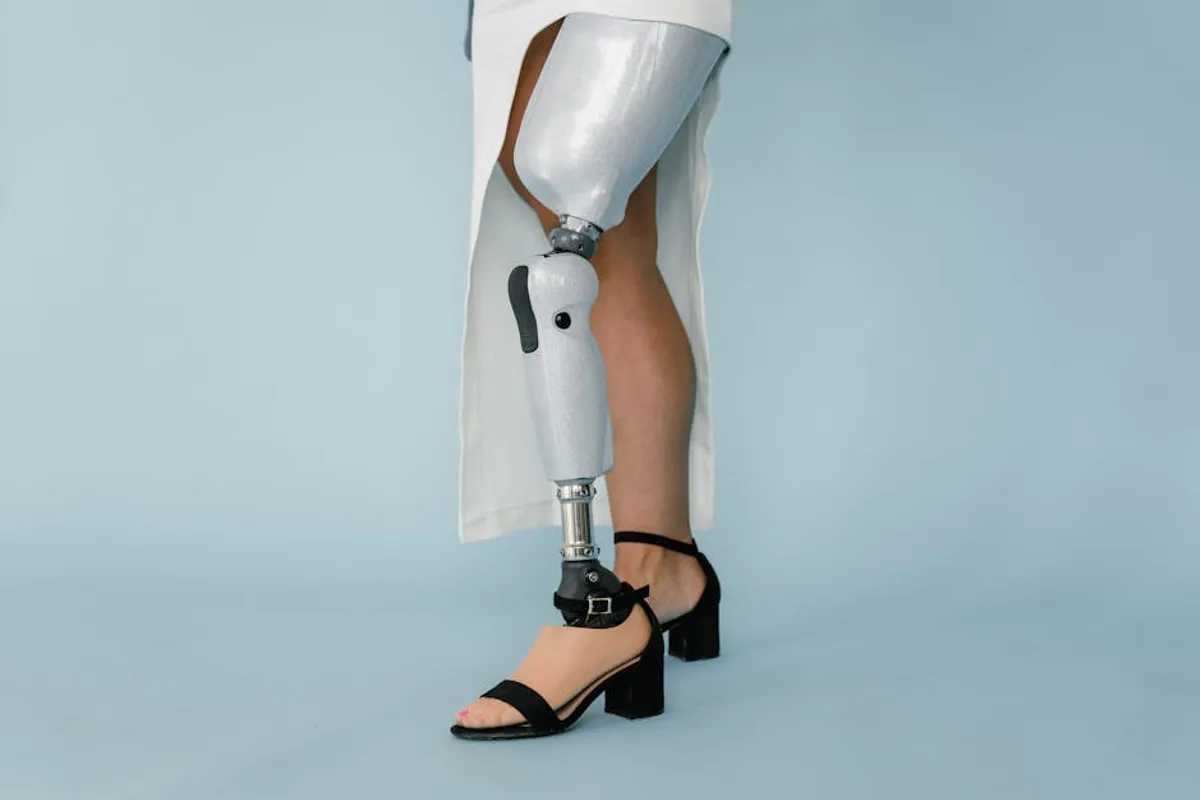
The block heel features a wide, solid base, providing significantly more stability and even weight distribution compared to a stiletto. Heights vary widely, from a modest 1 inch to a substantial 4 inches or more. Its robust structure makes it a practical choice for extended wear, reducing strain on the foot and ankle.
Best for: Daily office wear, casual outings, outdoor events (grass, cobblestones), and situations requiring comfort without sacrificing height. Adaptable with jeans, midi skirts, and business casual attire.
Wedge Heel
Unlike other heels, the wedge extends from the back of the shoe to the front, forming a continuous, solid sole beneath the arch. This design offers maximum surface contact and stability, distributing weight across the entire foot. Wedge heights can range from low platforms to towering elevations, often appearing in espadrilles or sandals for a relaxed yet elevated look.
Best for: Summer events, resort wear, casual daytime outings, and individuals seeking substantial height with superior comfort and balance. Excellent with maxi dresses, wide-leg pants, and shorts.
Distinctive Silhouettes and Practical Considerations
Beyond the primary categories, several specialized heel shapes offer unique aesthetic and functional properties, catering to specific style preferences and comfort requirements.
Kitten Heel
A low, slender heel, typically between 1.5 and 2 inches in height, the kitten heel offers a subtle lift without the intensity of a stiletto. Its delicate profile provides a refined, retro elegance, making it a comfortable alternative for those who prefer minimal elevation or require extended mobility.
Best for: Office environments, semi-formal daytime events, and individuals transitioning from flats to heels. Complements pencil skirts, cropped trousers, and classic dresses.
Cone Heel
The cone heel is wide at the top, where it meets the shoe, and tapers down to a narrower point at the bottom, resembling an ice cream cone. This shape provides a stable base that gradually becomes more delicate, offering a unique visual interest. Heights are variable, often seen in boots or more fashion-forward pumps.
Best for: Adding an architectural detail to contemporary outfits, often found in designer footwear. Works well with minimalist designs or structured garments.
Spool Heel
Characterized by its distinctive hourglass shape—wider at the top and bottom, and narrower in the middle—the spool heel evokes a vintage aesthetic. It provides more stability than a stiletto but less than a block heel, offering a unique blend of elegance and practicality. Spool heels are typically moderate in height.
Best for: Retro-inspired looks, formal events where a unique detail is appreciated, and adding character to classic ensembles. Often seen on Mary Janes or vintage-style pumps.
Pro Tip: When selecting heels for events that involve walking on grass, gravel, or cobblestones, prioritize block heels, wedges, or kitten heels. Their wider bases prevent sinking and provide superior stability, minimizing discomfort and potential damage to the shoe.
Platform Heel
A platform heel features an elevated sole under the front part of the foot, which reduces the perceived height of the heel itself. This design allows for very high heels (4 inches or more) to be worn with greater comfort, as the incline of the foot is less severe. Platforms add a dramatic, often retro, flair to footwear.
Best for: Achieving significant height with enhanced comfort, making a bold fashion statement, and pairing with wide-leg trousers, jumpsuits, or evening gowns. Popular in club wear and fashion-forward contexts.
Cuban Heel
Often found on boots, especially cowboy boots, the Cuban heel is a sturdy, moderately high heel with a slightly tapered back and a straight front. Its robust construction and moderate height (typically 1.5 to 2.5 inches) offer excellent stability and durability. While traditionally associated with men's footwear, it also appears in women's ankle boots and character shoes.
Best for: Western-inspired outfits, casual boots, and situations requiring a durable, comfortable heel. Pairs effectively with denim, casual dresses, and rugged outerwear.
Flare Heel
The flare heel is distinct for its shape that widens towards the bottom, creating a flared silhouette. This design provides a broader base for stability while maintaining a modern, architectural aesthetic. Flare heels can vary in height and are often seen in contemporary fashion, adding a subtle yet impactful detail.
Best for: Modern and avant-garde fashion statements, adding a unique touch to tailored garments or minimalist designs. Suitable for both day and evening wear, depending on the shoe's overall design.
Selecting Your Ideal Heel
Choosing the right heel type requires a practical assessment of several factors:
- Occasion: Formal events demand refined options like stilettos or classic pumps with a kitten heel. Casual outings or outdoor gatherings benefit from the stability of block heels or wedges.
- Comfort and Wear Time: For prolonged standing or walking, prioritize block heels, wedges, or kitten heels. Stilettos and very high platforms are best reserved for shorter wear times or less active events.
- Outfit Compatibility: The heel should complement the garment's silhouette and formality. A delicate stiletto might overpower casual jeans, while a chunky block heel could detract from a sleek evening gown.
- Personal Preference and Confidence: Ultimately, the best heel is one that makes you feel comfortable and confident. Experiment with different types to discover what suits your stride and style.
Understanding these distinct heel types empowers you to make strategic footwear choices, ensuring both comfort and sartorial precision for any occasion.
Frequently Asked Questions
Are higher heels always less comfortable?
Not necessarily. While very high stilettos can be challenging, a high platform heel can offer more comfort than a lower stiletto because the platform reduces the angle of the foot, making the effective heel height lower. Comfort also depends on shoe construction, arch support, and individual foot shape.
What is the primary difference between a block heel and a wedge?
A block heel is a distinct, separate piece attached to the sole of the shoe, providing a wide, solid base under the heel itself. A wedge, conversely, is a continuous, solid piece that extends from the back of the shoe to the front, forming the entire sole and offering full underfoot support.
Can I wear heels to a casual event?
Yes, absolutely. Block heels, wedges, and even some low kitten heels are excellent choices for casual events. They provide elevation and style without the formality or potential discomfort of a stiletto. Pair them with jeans, sundresses, or casual skirts for an elevated everyday look.
How do I choose the right heel height for me?
Consider the occasion, your personal comfort level, and how long you'll be wearing them. For daily wear or long periods of standing, opt for heels under 3 inches. For special occasions, you can go higher, but ensure you can walk confidently and comfortably. Practice walking in new heels to assess their suitability.