The current prominence of culture trends is not a mere coincidence or an ephemeral phenomenon; it represents a fundamental shift in how consumer behavior is shaped, disseminated, and monetized. For marketers, content strategists, and product developers, understanding why these trends are "trending right now" is no longer optional. It's a critical lens through which to view market opportunities, anticipate shifts in demand, and maintain brand relevance in a hyper-connected, rapidly evolving landscape. This heightened significance stems from a confluence of technological advancements, sociological shifts, and increasingly sophisticated data analysis, all of which accelerate the lifecycle and impact of cultural movements.
The Mechanics of Trend Acceleration
Culture trends, from aesthetic movements to lifestyle choices and communication styles, have always existed. What differentiates the current era is the unprecedented speed and scale of their emergence and propagation. This acceleration is driven by several interconnected factors that amplify their reach and commercial implications.
Digital Amplification and Virality
Social media platforms are the primary engines of modern trend acceleration. Short-form video platforms, in particular, have democratized content creation and distribution, allowing niche ideas to gain global traction overnight. A single piece of content, whether a meme, a dance challenge, or an aesthetic, can achieve viral status, exposing millions to a new cultural artifact or concept. This digital virality compresses the typical trend adoption curve, making detection and rapid response essential for businesses. The sheer volume of user-generated content also provides a rich, real-time data stream for observing nascent trends.
Global Interconnectedness
Geographic boundaries once served as natural filters for cultural diffusion. Today, the internet and global media dissolve these barriers. A fashion trend originating in Seoul can appear on the streets of London and be discussed in online forums in New York within hours. This interconnectedness means that trends are no longer localized phenomena but global currents, often blending influences from diverse cultures. This presents both challenges and opportunities: a broader potential audience but also increased competition and the need for culturally sensitive adaptation.
Data-Driven Identification and Prediction
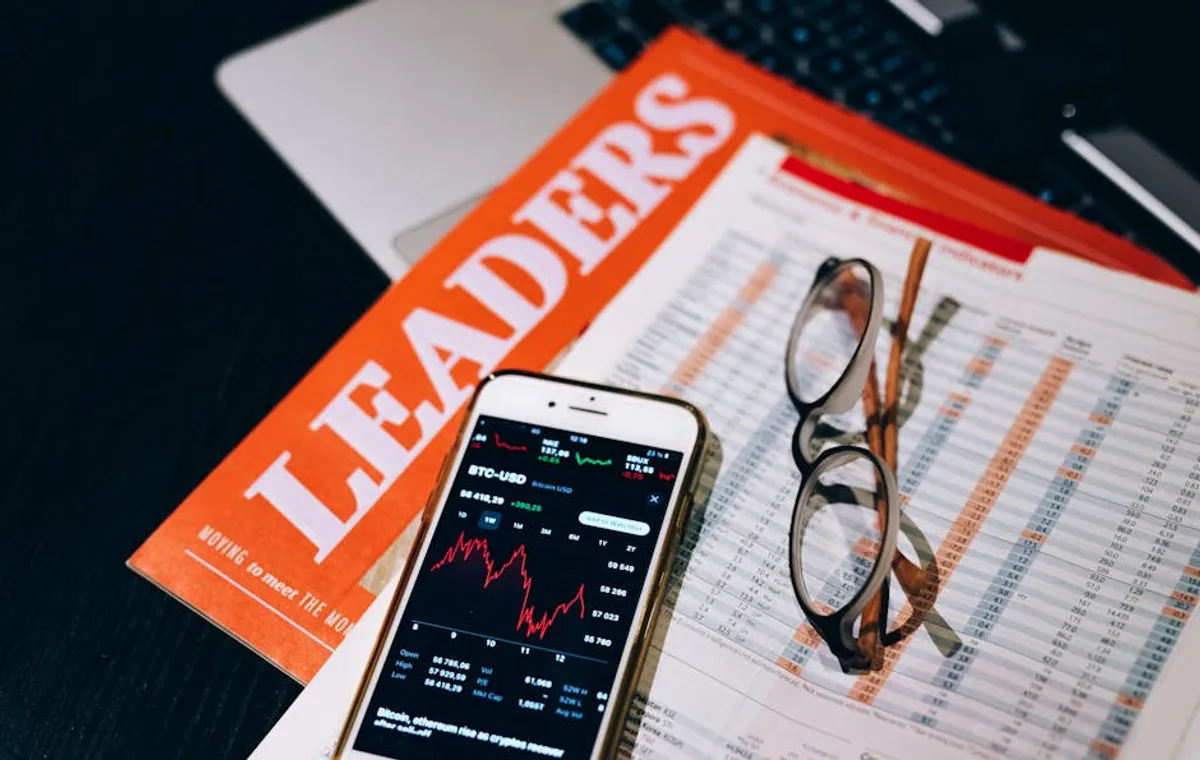
The rise of advanced analytics and AI has transformed trend spotting from an intuitive art into a data-backed science. Businesses and researchers can now leverage vast datasets from search queries, social media mentions, e-commerce transactions, and news consumption to identify patterns and predict emerging trends with greater accuracy. This data-driven approach allows for earlier detection, enabling proactive strategy adjustments rather than reactive responses. The ability to quantify interest and engagement provides a clearer signal of a trend's potential longevity and commercial viability.
Commercial Imperatives for Tracking Culture Trends
For any entity seeking to engage with consumers, ignoring culture trends is akin to operating blindfolded. Their commercial utility spans multiple facets of business strategy.
Content Strategy and SEO Relevance
Aligning content with current culture trends is a direct path to capturing search intent and establishing topical authority. When a cultural phenomenon gains traction, search queries related to it surge. By creating timely, relevant content—be it articles, videos, or social media posts—businesses can tap into this demand. This not only drives traffic but also positions the brand as current and knowledgeable. Understanding the nuances of trend-related language and sentiment is crucial for optimizing content for evolving search terms and user queries.
Product Development and Innovation
Culture trends are often harbingers of shifting consumer desires and unmet needs. Observing these trends can inspire new product lines, feature enhancements, or entirely new service offerings. For example, the rise of conscious consumerism and sustainability trends has spurred innovation in eco-friendly products and ethical supply chains across industries. Early identification allows businesses to develop and launch products that resonate deeply with current cultural values, potentially creating new market segments.
Brand Messaging and Authenticity
A brand's ability to connect with its audience depends heavily on its perceived authenticity and relevance. Engaging with culture trends in a genuine, non-opportunistic way can significantly enhance brand perception. This means understanding the underlying values and sentiments driving a trend, rather than simply co-opting its superficial elements. Brands that successfully integrate cultural insights into their messaging demonstrate an understanding of their audience's world, fostering stronger loyalty and deeper engagement.
Early Mover Advantage
The compressed lifecycle of modern trends means that early detection and rapid deployment are paramount. Businesses that identify and act on emerging trends before they reach saturation can capture significant market share and establish thought leadership. This "first-mover" advantage allows for greater visibility, less competition, and the opportunity to shape the narrative around a trend. Conversely, late adoption can mean entering a crowded market with diminished returns.
Identifying and Leveraging Emerging Trends
Effective trend identification requires a multi-faceted approach, combining quantitative data with qualitative observation.
Pro Tip: Differentiate between a genuine culture trend and a fleeting fad by analyzing its underlying drivers. Does it reflect a deeper societal shift, technological advancement, or evolving consumer value, or is it merely a superficial novelty? Trends with deeper roots offer more sustainable commercial opportunities.
Key methods for identifying and leveraging trends include:
- Social Listening: Monitoring conversations, hashtags, and engagement patterns on platforms like X, TikTok, Instagram, and Reddit to detect nascent topics and sentiment shifts.
- Search Data Analysis: Utilizing tools to track rising search queries, keyword volumes, and topic clusters, indicating growing public interest in specific areas.
- Niche Community Engagement: Participating in or observing online forums, specialized blogs, and enthusiast groups where new ideas and aesthetics often originate before breaking into the mainstream.
- Media and Influencer Analysis: Tracking content creators, journalists, and thought leaders who often act as early adopters or amplifiers of cultural movements.
- Demographic and Generational Studies: Understanding the values, behaviors, and preferences of different age groups, particularly Gen Z and younger millennials, who often drive new cultural currents.
The Role of Micro-Trends and Niche Communities
Many significant culture trends begin as micro-trends within niche communities. These smaller, often highly engaged groups act as incubators for new ideas, aesthetics, and behaviors. By closely observing these communities, marketers can gain early insights into what might eventually become a broader cultural phenomenon. The ability to identify and understand these micro-trends allows for targeted content creation and product development that caters to specific, passionate audiences, often before mainstream attention dilutes the trend's authenticity.
Navigating Trend Volatility and Longevity
Not all trends are created equal. Some are fleeting fads that quickly burn out, while others evolve into enduring cultural shifts. Distinguishing between the two is crucial for resource allocation and strategic planning. Fads might warrant quick, tactical content plays, while enduring trends require deeper integration into long-term brand strategy and product roadmaps. Understanding a trend's lifecycle—its emergence, growth, peak, and decline—enables businesses to time their interventions effectively, preventing investment in a declining trend or missing the peak of a rising one.
Integrating Trend Intelligence for Sustained Growth
To capitalize on the current surge in culture trends, businesses must adopt an agile, data-informed approach. This involves establishing continuous monitoring processes, fostering cross-functional collaboration between marketing, product, and content teams, and maintaining flexibility in strategic planning. The goal is not just to react to trends, but to anticipate them, understand their underlying drivers, and integrate those insights into every facet of the business. By doing so, brands can ensure their relevance, resonate authentically with their audience, and drive sustained commercial success in a dynamic cultural landscape.
Frequently Asked Questions About Culture Trends
What defines a culture trend?
A culture trend is a discernible shift in collective behaviors, preferences, values, or aesthetics that gains widespread adoption within a specific demographic or society. It often reflects deeper societal changes and influences various aspects of life, from consumption patterns to communication styles.
How quickly do culture trends evolve?
The evolution of culture trends has significantly accelerated due to digital platforms and global connectivity. While some enduring trends develop over years, many modern trends can emerge, peak, and begin to decline within weeks or months, making rapid response crucial for businesses.
Can small businesses leverage culture trends effectively?
Yes, small businesses can often leverage culture trends more nimbly than larger corporations. Their agility allows for quicker content creation, product adaptation, and direct engagement with niche communities where trends often originate. Focus on micro-trends relevant to your specific audience.
What is the risk of ignoring culture trends?
Ignoring culture trends risks brand irrelevance, decreased audience engagement, and missed commercial opportunities. It can lead to outdated products, ineffective marketing messages, and a failure to connect with evolving consumer values, ultimately impacting market share and growth.