Combining a love for books with a passion for travel offers a unique enrichment to any journey. The right bookish hobby transforms transit time into discovery, a new city into a literary landscape, or a quiet evening abroad into a deep dive into local culture. This guide details various book-centric activities, each designed to integrate seamlessly with different travel styles and preferences, providing concrete benefits for those who seek more than just sightseeing.
What to Consider for Book-Inspired Travel Hobbies
Selecting a bookish hobby that complements your travel style requires evaluating several practical factors. Consider the portability of materials: heavy books or extensive art supplies may not suit minimalist backpackers, while a digital reader or a small journal fits easily. Assess the time commitment needed for the hobby during your trip; some activities, like writing a novel, demand dedicated hours, whereas reading a short story can fill a brief layover. Factor in cost, from acquiring materials to potential fees for workshops or literary tours. Finally, align the hobby with your travel goals: do you seek quiet reflection, deeper cultural immersion, or creative output? Matching the hobby to your personal travel rhythm ensures it enhances, rather than detracts from, your overall experience.
1. Reading Books Set in Your Destination
This hobby involves deliberately selecting and reading literature, fiction or non-fiction, that takes place in or is historically relevant to your current or upcoming travel destination. It provides a foundational layer of cultural context and anticipation, allowing travelers to connect with the locale on a deeper, more personal level before or during their visit. Engaging with narratives rooted in a specific place can transform landmarks from mere photo opportunities into resonant symbols of stories and history.
Best For: Travelers seeking cultural immersion, historical context, or a deeper understanding of local perspectives. Ideal for slow travel or trips with dedicated downtime.
Pros:
- Enhances understanding of local culture, history, and social dynamics.
- Creates a sense of anticipation and connection before arrival.
- Provides specific locations or themes to seek out during exploration.
- Requires minimal equipment—a book or e-reader.
Cons:
- Requires pre-trip research to find relevant titles.
- Can be time-consuming, potentially diverting focus from immediate surroundings if read exclusively on-site.
- Physical books add weight and bulk to luggage.
Verdict: An accessible and enriching hobby that elevates travel from observation to genuine engagement, offering profound insights into the places visited.
2. Travel Journaling with Literary Inspiration
This practice extends beyond simple note-taking, incorporating elements like literary quotes, poetic observations, or creative prose inspired by the travel experience and favorite authors. It encourages a more reflective and artistic documentation of journeys, allowing travelers to process their experiences through a literary lens. The journal becomes a personalized travelogue, blending personal narrative with stylistic influences.
Best For: Reflective travelers, aspiring writers, or those who value detailed, evocative documentation of their trips. Suitable for any travel duration, from weekend trips to extended expeditions.
Pros:
- Deepens personal reflection and memory retention of travel experiences.
- Develops writing skills and creative expression.
- Creates a unique, lasting keepsake of journeys.
- Requires only a notebook and pen, highly portable.
Cons:
- Can be time-consuming to maintain consistently.
- Requires a degree of self-discipline to write regularly.
- Some may find the pressure to write eloquently daunting.
Verdict: A powerful method for internalizing and immortalizing travel, transforming fleeting moments into enduring literary fragments.
3. Collecting Local Literature as Souvenirs
Instead of typical trinkets, this hobby focuses on acquiring books, magazines, or literary ephemera from each destination. This could include local authors, translated works, unique editions, or even antique books. Each acquisition serves as a tangible memory, a piece of the local literary landscape, and a future reading opportunity, building a personal library that chronicles journeys.
Best For: Bibliophiles, collectors, and those who prefer culturally significant souvenirs. Particularly rewarding in cities known for their literary heritage or vibrant independent bookstores.
Pros:
- Provides unique, culturally rich souvenirs.
- Supports local bookstores and authors.
- Encourages exploration of local literary scenes.
- Offers future reading material, extending the travel experience.
Cons:
- Physical books add significant weight and bulk to luggage, increasing shipping costs or baggage fees.
- Finding English translations or specific genres can be challenging in non-English speaking countries.
- Can become an expensive hobby, especially for rare or collectible editions.
Verdict: A sophisticated and intellectually stimulating way to memorialize travels, building a library that reflects a life of exploration.
4. Visiting Literary Landmarks and Bookstores
This involves actively seeking out places with literary significance—birthplaces of authors, settings from famous novels, historic libraries, or iconic independent bookstores. It transforms sightseeing into a pilgrimage, offering a direct connection to the literary figures and narratives that have shaped culture. Each visit provides a tangible link to the world of books.
Best For: History enthusiasts, literary scholars, and those who enjoy structured sightseeing with a specific thematic focus. Excellent for urban travel.
Pros:
- Provides a unique lens for exploring new cities and cultures.
- Offers direct engagement with literary history.
- Supports independent bookstores globally.
- Often leads to discovering hidden gems and local insights.
Cons:
- Requires pre-trip research to identify relevant locations.
- Some landmarks may be remote or require specific tours.
- Can be disappointing if a site is poorly maintained or commercialized.
Verdict: An immersive and educational hobby that enriches travel by weaving literary narratives directly into the physical landscape of a destination.
5. Writing Travel-Inspired Fiction or Poetry
Leveraging travel experiences as direct inspiration for creative writing, this hobby involves crafting short stories, poems, or even novel outlines based on observations, encounters, and emotions encountered abroad. It's an active creative pursuit that transforms passive consumption of travel into active artistic production, allowing the traveler to reinterpret and share their journey.
Best For: Aspiring writers, creative individuals, and those who find inspiration in new environments. Particularly suited for longer trips or periods of extended stay.
Pros:
- Provides a creative outlet and a means of processing travel experiences.
- Develops storytelling and descriptive writing skills.
- Can lead to publishable work or a personal portfolio.
- Requires minimal equipment (laptop or notebook).
Cons:
- Requires significant time and mental energy, which may conflict with active sightseeing.
- Can be challenging to maintain focus and discipline while traveling.
- Risk of writer's block or feeling overwhelmed by new stimuli.
Verdict: A deeply personal and potentially rewarding hobby that transforms travel into a wellspring of creative output, turning experiences into art.
6. Curating Travel-Themed Audiobooks and Podcasts
This hobby focuses on pre-selecting and listening to audiobooks, travelogues, or literary podcasts relevant to your journey, either about the destination itself or simply inspiring for travel. It optimizes travel time—plane rides, train journeys, long drives, or even walking tours—by providing engaging, hands-free content that enhances the experience without requiring visual focus.
Best For: Travelers who spend significant time in transit, those with visual impairments, or individuals who prefer hands-free entertainment. Ideal for solo travelers or those who enjoy quiet reflection.
Pros:
- Maximizes transit time, making long journeys more enjoyable.
- Requires no physical baggage beyond a device and headphones.
- Offers a wide range of content, from fiction to educational history.
- Allows for simultaneous engagement with surroundings (e.g., listening while walking).
Cons:
- Requires reliable device battery life and charging access.
- Can be distracting if trying to engage with travel companions.
- Reliance on digital platforms may incur subscription costs.
Verdict: A highly practical and versatile hobby that enriches travel through auditory storytelling, perfect for seamless integration into any itinerary.
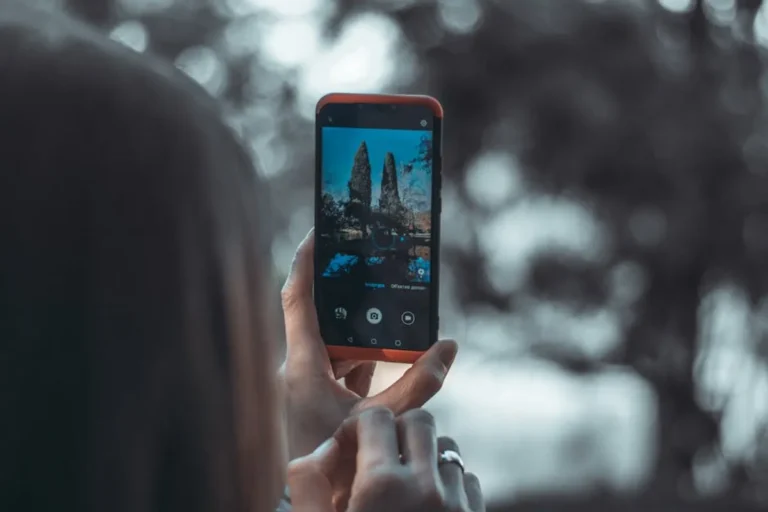
7. Book-Themed Travel Photography
This hobby involves capturing photographs inspired by literary themes, specific book covers, or scenes that evoke a sense of a particular novel or author. It could mean recreating iconic book covers in real-world locations, photographing literary quotes in relevant settings, or simply seeking out landscapes that feel "bookish." It combines visual artistry with literary appreciation.
Best For: Creative travelers, photographers, and those who enjoy a structured approach to visual documentation. Suitable for any destination with visual appeal.
Pros:
- Encourages a unique and artistic perspective on destinations.
- Develops photography skills and creative interpretation.
- Creates visually stunning and contextually rich travel memories.
- Can be shared easily on social media or personal blogs.
Cons:
- Requires photography equipment (smartphone camera or dedicated camera).
- Can be time-consuming to compose and capture specific shots.
- May require carrying props or specific books for recreation.
Verdict: A visually engaging hobby that merges the art of photography with a passion for literature, producing distinctive and narrative-rich travel imagery.
8. Participating in Online Travel Book Clubs
Engaging with online communities or book clubs specifically focused on travel literature, memoirs, or fiction set in diverse locations. This hobby allows travelers to discuss books, share insights, and connect with like-minded individuals globally, often providing recommendations for future reads or destinations. It extends the bookish experience beyond the solo act of reading.
Best For: Social travelers, those seeking community, or individuals who enjoy structured reading discussions. Ideal for pre-trip preparation or post-trip reflection.
Pros:
- Fosters a sense of community and shared interest.
- Provides diverse perspectives and interpretations of texts.
- Offers recommendations for new books and destinations.
- Requires only internet access and a device.
Cons:
- Requires consistent internet access for participation.
- Time zone differences can make live discussions challenging.
- Reliance on digital platforms may lead to screen fatigue.
Verdict: A social and intellectually stimulating hobby that connects travelers with a global community, deepening their engagement with travel literature.
9. Learning a Language Through Destination-Specific Books
This hobby integrates language learning with travel by using books (children's books, short stories, or simplified novels) in the local language as learning tools. It provides practical context for language acquisition, making the learning process more immersive and relevant to the travel experience. Reading local texts helps understand cultural nuances and everyday expressions.
Best For: Language learners, long-term travelers, or those seeking deep cultural immersion. Most effective in countries where a new language is spoken.
Pros:
- Enhances language learning through practical application.
- Provides direct cultural insights through local narratives.
- Facilitates communication with locals during travel.
- Can be done with minimal materials (a book and dictionary).
Cons:
- Requires prior basic language knowledge to be effective.
- Can be frustrating for beginners without supplemental learning tools.
- Finding appropriate reading materials at the right level can be challenging.
Verdict: A highly effective and culturally rich hobby that transforms language learning into an integrated part of the travel experience, fostering deeper connections.
10. Crafting Miniature Books as Travel Mementos
This artistic hobby involves creating small, handmade books or journals inspired by travel experiences or local literary traditions. These miniature books can contain tiny sketches, pressed flowers, short poems, or even micro-stories from the trip. It's a tactile and creative way to preserve memories, resulting in unique, personalized keepsakes.
Best For: Creative individuals, crafters, and those who enjoy hands-on projects. Ideal for slow travel or times with dedicated creative downtime.
Pros:
- Produces unique, highly personalized travel mementos.
- Offers a calming, meditative creative outlet.
- Requires minimal, portable materials (paper, thread, small tools).
- Develops fine motor skills and artistic expression.
Cons:
- Can be time-consuming, diverting from other travel activities.
- Requires a certain level of artistic inclination or patience.
- Materials, while small, still add to luggage if not sourced locally.
Verdict: A charming and artistic hobby that transforms travel memories into tangible, handcrafted objects, offering a unique form of personal expression.
11. Recreating Book Scenes or Character Poses
This hobby involves identifying specific scenes, iconic locations, or character poses from beloved books and then attempting to recreate them visually through photography or performance in relevant travel destinations. It's a playful and imaginative way to interact with both literature and the environment, often resulting in humorous or thought-provoking visual content.
Best For: Creative and playful travelers, those who enjoy performance art, or individuals looking for unique photo opportunities. Best in destinations with recognizable literary settings.
Pros:
- Encourages imaginative interaction with both books and locations.
- Creates memorable and often humorous travel photos.
- Provides a unique challenge and creative project during travel.
- Can be a fun group activity with travel companions.
Cons:
- Requires prior knowledge of specific book scenes or characters.
- May require specific props or costumes, adding to luggage.
- Can be challenging to find exact locations or appropriate backdrops.
Verdict: A whimsical and highly creative hobby that injects a sense of playfulness and literary homage into travel photography and exploration.
12. Book Exchange with Fellow Travelers
This hobby involves carrying a book to exchange with another traveler at hostels, guesthouses, or designated book swap points. It's a sustainable and social way to discover new reads while sharing your own, fostering connections with other globetrotters. Each exchanged book carries the story of its previous owner and journey, adding a layer of narrative.
Best For: Budget travelers, social individuals, and those who enjoy serendipitous discoveries. Ideal for long-term backpackers or those staying in communal accommodations.
Pros:
- Provides a constant supply of new reading material without cost.
- Fosters social interaction and connections with other travelers.
- Reduces waste and promotes sustainable reading habits.
- Allows for the discovery of books one might not typically choose.
Cons:
- Reliance on finding suitable exchange partners or locations.
- Limited control over the genre or quality of available books.
- Physical books add weight to luggage until exchanged.
Verdict: A practical, social, and environmentally conscious hobby that enriches travel with unexpected literary finds and human connections.
Integrating Bookish Hobbies into Your Travel
Successfully weaving a bookish hobby into your travels requires intentional planning and flexibility. Before departure, research relevant books or literary sites for your destination. Pack efficiently, prioritizing digital options if space is limited, or dedicating specific luggage for physical books or craft supplies if your hobby demands it. During your trip, allocate specific times for your hobby, perhaps during transit, quiet evenings, or designated "slow" days. Do not force the activity if the immediate environment offers compelling alternatives; allow for spontaneous exploration. The goal is enhancement, not obligation. Consider how your hobby can also serve as a conversation starter with locals or fellow travelers, deepening your cultural engagement and creating unique memories.
Frequently Asked Questions About Bookish Travel Hobbies
Q: How can I minimize the weight of books while traveling?
A: Opt for an e-reader or tablet, which can store thousands of books in a lightweight device. For physical books, choose paperbacks over hardcovers, and consider exchanging books with other travelers or donating finished reads to local libraries or hostels before moving on.
Q: Are these hobbies suitable for all types of travel, including fast-paced trips?
A: Some hobbies, like listening to audiobooks or reading destination-specific fiction, integrate well into fast-paced travel as they can be done during transit or short breaks. More intensive hobbies like creative writing or crafting might require dedicated downtime, making them better suited for slower itineraries or longer stays.
Q: What if I don't speak the local language but want to collect local literature?
A: Look for translated works by local authors, bilingual editions, or books with strong visual elements. Many international cities have bookstores with English-language sections, or you can seek out books on local art, history, or photography that require less linguistic fluency.
Q: How can I find literary landmarks or unique bookstores in an unfamiliar city?
A: Utilize online resources like literary travel blogs, specialized guidebooks, or local tourism websites. Apps like Foursquare or Google Maps can also help locate bookstores, and a quick search for "literary walking tour [city name]" often yields organized excursions.