Engaging in fulfilling activities outside of work or daily responsibilities is crucial for mental well-being, skill development, and personal enrichment. However, the perception that hobbies require significant financial investment often deters individuals from exploring new interests. This article identifies and details accessible, low-cost hobbies that offer substantial benefits without demanding a large budget for initial setup or ongoing participation. The focus is on activities that leverage readily available resources, require minimal specialized equipment, or offer free entry points, enabling broad participation and sustained engagement.
What to Consider When Choosing a Low-Cost Hobby
Selecting a low-cost hobby involves more than just looking at the price tag. Evaluate your personal interests, available time, and the resources you already possess. Consider whether you prefer solitary or social activities, indoor or outdoor pursuits, and whether the hobby offers potential for skill development or simply relaxation. Initial costs, such as basic supplies, should be weighed against potential ongoing expenses like subscriptions or consumable materials. Prioritize hobbies that align with your existing lifestyle and offer clear pathways to engagement without immediate financial pressure.
1. Reading
Reading offers an expansive world of knowledge, entertainment, and personal growth for minimal to no cost. Access to books is widespread through public libraries, which provide physical copies, audiobooks, and e-books for free with a library card. Online platforms also offer a vast selection of public domain works and free e-books. This hobby requires no specialized equipment beyond the reading material itself, making it highly accessible and adaptable to various environments, from a quiet corner at home to a park bench.
Best for: Intellectual stimulation, stress reduction, expanding vocabulary, and accessing diverse perspectives without significant financial outlay.
Pros:
- Zero cost through public libraries or free online resources.
- Highly portable and adaptable to various settings.
- Offers a wide range of genres and topics for continuous engagement.
- Enhances cognitive function, empathy, and general knowledge.
Cons:
- Requires dedicated quiet time, which may be challenging for some schedules.
- Can be a solitary activity, limiting social interaction if that is a desired component.
- Physical books may require storage space.
Verdict: Reading remains an unparalleled low-cost hobby, offering profound personal benefits and endless content accessibility through public and digital resources.
2. Hiking and Walking
Exploring local trails, parks, and natural areas on foot provides physical exercise, mental clarity, and an appreciation for the outdoors. This hobby requires minimal investment, primarily comfortable shoes that many individuals already own. Access to public parks, nature preserves, and hiking trails is often free. The activity can be scaled to various fitness levels and offers opportunities for discovery within one's local environment, from urban green spaces to more rugged natural landscapes.
Best for: Physical fitness, mental well-being, nature appreciation, and exploring local geography.
Pros:
- Virtually no cost beyond appropriate footwear.
- Improves cardiovascular health and reduces stress.
- Accessible in most geographic locations, from urban to rural.
- Can be a solitary meditative activity or a social outing.
Cons:
- Dependent on weather conditions.
- Requires a baseline level of physical mobility.
- Access to diverse trails may require transportation.
Verdict: Hiking and walking offer a highly effective and accessible method for improving physical and mental health, with negligible financial barriers to entry.
3. Journaling and Creative Writing
Journaling, poetry, short stories, or personal essays provide an outlet for self-expression, introspection, and skill development. The primary tools are a pen and paper, or a computer with free word processing software. This hobby encourages critical thinking, emotional processing, and the refinement of communication skills. It is entirely self-paced and can be practiced anywhere, making it a flexible and deeply personal pursuit.
Best for: Self-reflection, emotional processing, improving writing skills, and creative expression.
Pros:
- Extremely low cost, using basic stationery or existing digital tools.
- Enhances self-awareness and organizational thought.
- Provides a private space for processing experiences and ideas.
- Develops communication and storytelling abilities.
Cons:
- Requires self-discipline to maintain consistency.
- Can feel intimidating for those new to writing.
- Primarily a solitary activity.
Verdict: Journaling and creative writing are foundational low-cost hobbies for mental clarity and skill enhancement, requiring only basic supplies and personal commitment.
4. Drawing and Sketching
Engaging in drawing or sketching allows for visual expression and observation skill development. Initial costs are minimal, typically involving a basic pencil set and a sketchbook. Many free online tutorials, videos, and community resources are available to learn fundamental techniques. This hobby encourages attention to detail, spatial reasoning, and creative problem-solving, with the potential for ongoing skill improvement without significant material investment.
Best for: Visual artistry, improving observation skills, developing hand-eye coordination, and creative relaxation.
Pros:
- Low initial investment in basic materials.
- Numerous free learning resources online.
- Portable and can be practiced in various settings.
- Enhances creativity and visual perception.
Cons:
- Requires practice and patience to see significant improvement.
- Consumable materials (paper, pencils) require periodic replacement.
- Can be frustrating for beginners without immediate results.
Verdict: Drawing and sketching offer an accessible entry point into visual arts, providing creative fulfillment and skill development with minimal financial commitment.
5. Home Cooking and Baking
Transforming basic ingredients into meals or baked goods is a practical skill and a rewarding hobby. While food itself costs money, focusing on simple recipes, utilizing ingredients already on hand, and cooking from scratch can be more economical than dining out or purchasing pre-made items. This hobby develops culinary skills, encourages healthy eating, and can be a creative outlet. Resources like free online recipe databases and cooking blogs make learning accessible.
Best for: Practical life skills, healthy eating, creative expression through food, and potential cost savings on meals.
Pros:
- Utilizes existing kitchen equipment.
- Can be more cost-effective than eating out.
- Develops valuable life skills and promotes healthier eating habits.
- Offers immediate, tangible results.
Cons:
- Requires ongoing expenditure for ingredients.
- Time-consuming, especially for complex recipes.
- Potential for food waste if not planned carefully.
Verdict: Home cooking and baking are highly practical and enjoyable low-cost hobbies that pay dividends in skill, nutrition, and potential savings, leveraging existing household resources.
6. Learning a New Language
Acquiring proficiency in a new language opens cultural doors and enhances cognitive abilities. Many free resources are available, including language exchange apps, public library materials, and online platforms offering basic courses. This hobby requires consistent dedication rather than significant financial investment. It fosters cultural understanding, improves memory, and can be a gateway to new social connections.
Best for: Cognitive enhancement, cultural immersion, travel preparation, and expanding communication skills.
Pros:
- Numerous free apps and online resources for self-study.
- Improves memory, problem-solving, and multitasking abilities.
- Opens opportunities for cultural exchange and travel.
- Can be practiced anywhere with a smartphone or internet access.
Cons:
- Requires significant long-term commitment and discipline.
- Progress can be slow without immersion or structured learning.
- Finding consistent practice partners can be challenging.
Verdict: Language learning is a mentally stimulating and culturally enriching low-cost hobby, primarily demanding time and consistent effort over financial outlay.
7. Volunteering
Donating time and skills to a cause or organization is a deeply rewarding hobby that costs nothing but time. Opportunities range from assisting at local shelters, environmental cleanups, community events, or providing pro-bono professional services. Volunteering builds community connections, develops new skills, and provides a sense of purpose. It offers tangible benefits to others while enriching the volunteer's own life.
Best for: Community engagement, personal fulfillment, skill development, and networking.
Pros:
- Zero financial cost; only requires time commitment.
- Builds valuable experience and expands social networks.
- Provides a strong sense of purpose and contribution.
- Offers opportunities to learn new skills in practical settings.
Cons:
- Requires a consistent time commitment.
- May involve emotionally challenging situations depending on the cause.
- Finding the right fit for personal interests can take time.
Verdict: Volunteering is an impactful low-cost hobby that offers profound personal satisfaction and community benefits, relying solely on an individual's time and dedication.
8. Bodyweight Fitness and Running
Maintaining physical fitness through bodyweight exercises or running requires minimal to no equipment. Workouts can be performed at home, in parks, or on local streets. Free online resources, including workout videos and running apps, provide guidance and tracking. This hobby promotes physical health, improves mood, and can be easily integrated into daily routines without gym memberships or specialized gear.
Best for: Physical health, stress relief, improving stamina, and building functional strength without gym fees.
Pros:
- No gym membership or expensive equipment required.
- Can be done anywhere, anytime.
- Improves cardiovascular health, strength, and mood.
- Numerous free online workout routines and running plans.
Cons:
- Requires self-motivation and discipline.
- Risk of injury if proper form is not maintained.
- Dependent on weather for outdoor activities.
Verdict: Bodyweight fitness and running are highly effective low-cost hobbies for physical well-being, demanding only personal commitment and basic athletic wear.
9. Gardening (Seed Starting/Container)
Starting a small garden, especially from seeds or in containers, can be a surprisingly low-cost hobby. Initial investments can be limited to seed packets, repurposed containers (e.g., plastic bottles, old tires), and a small bag of potting mix. Growing herbs, vegetables, or flowers provides fresh produce, beautifies spaces, and offers a connection to nature. It teaches patience, basic botany, and self-sufficiency.
Best for: Food production, stress relief, connecting with nature, and enhancing outdoor spaces.
Pros:
- Low initial cost, especially when starting from seeds.
- Provides fresh produce or beautiful flowers.
- Therapeutic and reduces stress.
- Can be adapted to small spaces like balconies or windowsills.
Cons:
- Requires patience and consistent care.
- Dependent on climate and available light.
- Potential for crop failure or pest issues.
Verdict: Container or seed-starting gardening offers a rewarding and practical low-cost hobby, yielding fresh produce and a connection to natural cycles with minimal initial outlay.
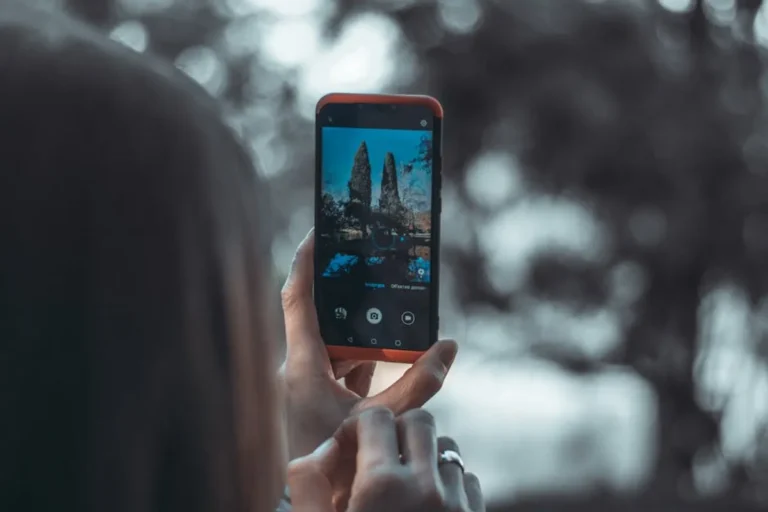
10. Photography (Smartphone)
Modern smartphones possess advanced camera capabilities, making photography an accessible and low-cost hobby. Focusing on composition, lighting, and subject matter rather than expensive gear allows for artistic expression. Free editing apps and online tutorials further enhance the learning process. This hobby encourages observation, creativity, and documentation of the world around you.
Best for: Visual storytelling, creative expression, improving observation skills, and documenting experiences.
Pros:
- Utilizes existing smartphone technology.
- Numerous free editing apps and online learning resources.
- Encourages observation and attention to detail.
- Results in shareable visual content.
Cons:
- Limited by smartphone camera capabilities compared to dedicated cameras.
- Can lead to desire for more expensive equipment over time.
- Requires learning principles of composition and lighting.
Verdict: Smartphone photography is an excellent low-cost entry into visual arts, allowing for creative exploration and skill development using readily available technology.
11. Board Games and Card Games
Engaging in board games or card games with friends or family offers social interaction, strategic thinking, and entertainment. While some modern board games can be expensive, many classic card games or older board games are very affordable or already owned. Public libraries often lend board games, and community centers may host game nights. This hobby fosters social bonds, critical thinking, and healthy competition.
Best for: Social interaction, strategic thinking, family entertainment, and cognitive engagement.
Pros:
- Many games are low cost or already owned.
- Promotes social interaction and bonding.
- Enhances strategic thinking and problem-solving.
- Provides structured entertainment for groups.
Cons:
- Requires other participants, which may limit spontaneous play.
- Some popular games can be expensive.
- Can lead to competitive dynamics not suitable for everyone.
Verdict: Board and card games are highly social and mentally engaging low-cost hobbies, offering accessible entertainment and cognitive benefits when leveraging existing resources or affordable classics.
12. Upcycling and DIY Projects
Transforming discarded items into new, useful, or decorative objects is a creative and environmentally friendly hobby. Upcycling uses materials that would otherwise be thrown away, such as old furniture, clothing, or containers. DIY projects often involve simple tools and materials that can be sourced affordably or found around the home. This hobby fosters resourcefulness, practical skills, and creative problem-solving while reducing waste.
Best for: Creativity, resourcefulness, environmental consciousness, and developing practical hands-on skills.
Pros:
- Utilizes free or very low-cost discarded materials.
- Reduces waste and promotes sustainability.
- Develops practical skills and creative thinking.
- Results in unique, personalized items.
Cons:
- Requires space for materials and working.
- May require basic tools, though many are common household items.
- Can be time-consuming for larger projects.
Verdict: Upcycling and DIY projects are excellent low-cost hobbies for creative individuals, promoting sustainability and practical skill development by repurposing existing materials.
Selecting the Right Low-Cost Hobby
Choosing the ideal low-cost hobby involves an honest assessment of your interests, available time, and what you hope to gain. Start by experimenting with a few options that pique your curiosity and require minimal initial commitment. Don't feel pressured to invest heavily until you've confirmed genuine enjoyment and a desire for deeper engagement. The most effective low-cost hobbies are those that leverage existing resources, provide intrinsic satisfaction, and offer clear pathways for sustained participation and personal growth without financial strain.
Frequently Asked Questions
What defines a "low-cost" hobby?
A low-cost hobby typically requires minimal or no upfront financial investment for equipment or supplies, and its ongoing expenses are negligible. It often leverages free public resources, existing household items, or readily available natural environments, making it accessible to a wide audience regardless of budget.
Can low-cost hobbies be social?
Absolutely. Many low-cost hobbies, such as hiking with a group, joining a book club at the library, volunteering, or playing board games, offer significant opportunities for social interaction and community building. The social aspect often enhances the enjoyment and motivation for sustained participation.
How can I stay motivated with a new low-cost hobby?
Motivation can be maintained by setting small, achievable goals, tracking your progress, and connecting with others who share the same interest. For example, joining an online community for writers, participating in local hiking groups, or sharing your cooking creations can provide encouragement and accountability. Focus on the intrinsic enjoyment and personal benefits rather than external pressures.
Are there any hidden costs associated with low-cost hobbies?
While many low-cost hobbies have minimal direct costs, some might have indirect expenses. For instance, gardening requires water, and cooking requires ingredients. Transportation to a hiking trail or library might incur fuel costs. However, these are generally minor and can often be mitigated by choosing local options or leveraging existing resources efficiently.