Choosing simple hobbies for couples represents a strategic investment in shared experience and relationship longevity. The objective is to identify activities that require minimal setup or financial outlay, offer a low barrier to entry, and consistently provide opportunities for connection and mutual enjoyment. This selection focuses on fostering communication, teamwork, and individual growth within the partnership, moving beyond passive entertainment to active engagement. The goal is to cultivate a repertoire of accessible activities that can be integrated into daily or weekly routines, ensuring sustained interaction and the creation of new, positive memories together.
What to Look For in a Couple's Hobby
When evaluating potential hobbies, prioritize several key attributes to ensure long-term engagement and benefit. First, consider the level of shared interest; while some divergence is healthy, a core enthusiasm for the activity from both partners significantly increases the likelihood of sustained participation. Second, assess the cost of entry and ongoing expenses. Simple hobbies often require minimal financial commitment, making them accessible without undue pressure. Third, examine the time commitment involved. Activities that can be enjoyed in short bursts or adapted to varying schedules offer greater flexibility and reduce the risk of becoming another obligation. Fourth, look for opportunities for skill development or creative expression. Learning something new together or collaborating on a project provides a sense of accomplishment and fresh conversational topics. Finally, consider the environment. Some hobbies thrive indoors, others outdoors, and selecting a mix can provide options regardless of weather or mood. The most effective hobbies are those that naturally integrate into a couple's lifestyle, enhancing connection without demanding significant lifestyle alterations.
1. Cooking and Baking Together
This hobby transforms routine meal preparation into a collaborative culinary adventure. Couples work side-by-side to select recipes, source ingredients, and execute cooking or baking tasks. It necessitates clear communication, division of labor, and shared decision-making, from seasoning adjustments to plating presentation. The tangible outcome—a delicious meal or baked good—provides immediate gratification and a shared experience to enjoy, often leading to discussions about flavors, techniques, and future culinary explorations.
Best for: Couples who enjoy food, seek daily interaction, and appreciate developing practical domestic skills. It suits those looking for a cost-effective way to spend time together, integrating directly into necessary household activities.
Pros: Develops communication and teamwork; immediate, delicious results; adaptable to dietary preferences and skill levels; can be budget-friendly; fosters creativity through recipe experimentation; provides a sense of accomplishment.
Cons: Requires kitchen space and basic equipment; potential for minor disagreements over methods or cleanliness; cleanup is an inherent part of the process; can feel routine if not approached with a sense of novelty.
Verdict: A foundational activity for building domestic synergy, enhancing daily connection, and enjoying tangible, delicious outcomes that directly benefit both partners.
2. Gardening
Gardening, whether tending to a small herb patch on a balcony or cultivating a larger backyard plot, offers couples a shared project with a living, evolving outcome. It involves planning, physical labor, patience, and observation as plants grow and change. This hobby connects partners to nature, provides fresh produce or beautiful blooms, and teaches responsibility and nurturing. It offers a calm, meditative space for joint effort and quiet companionship, with seasonal cycles providing natural rhythms for engagement.
Best for: Couples who appreciate nature, enjoy working with their hands, and are patient enough to witness gradual growth. It suits those seeking a calming, productive outdoor or indoor activity that yields tangible results.
Pros: Connects partners with nature; provides fresh produce or aesthetic beauty; promotes physical activity; teaches patience and responsibility; offers a peaceful, meditative shared space; adaptable to various scales and environments (indoors/outdoors).
Cons: Requires consistent attention and maintenance; susceptible to environmental factors like weather and pests; initial setup costs for tools and plants can vary; results are not immediate, demanding patience.
Verdict: A rewarding, patient hobby that cultivates both plants and partnership, offering a continuous cycle of planning, nurturing, and harvesting together.
3. Board Games and Puzzles
Engaging with board games, card games, or jigsaw puzzles provides a structured yet playful environment for couples to interact. These activities demand strategic thinking, problem-solving, and often, lighthearted competition or collaborative effort. They offer a break from digital screens, encourage direct conversation, and reveal aspects of each other's thought processes and competitive spirits. The variety available ensures there's always a new challenge or theme to explore, keeping the hobby fresh and engaging.
Best for: Couples who enjoy mental challenges, strategic thinking, and playful competition or collaboration. It's ideal for those seeking indoor entertainment that encourages direct interaction and can be tailored to various time commitments.
Pros: Encourages strategic thinking and problem-solving; fosters communication and negotiation; offers a break from screens; wide variety of games ensures novelty; can be collaborative or competitive; relatively low recurring cost after initial purchase.
Cons: Potential for minor disagreements or frustration during competitive play; requires dedicated space for setup and storage; some games have a steep learning curve; can become repetitive if the game library is limited.
Verdict: A versatile indoor hobby that sharpens minds, sparks conversation, and provides structured fun, whether through shared problem-solving or friendly rivalry.
4. Hiking and Nature Walks
Exploring natural trails, local parks, or scenic routes together offers couples an accessible way to combine physical activity with shared discovery. This hobby promotes conversation in an unhurried setting, allows for appreciation of natural beauty, and provides opportunities for shared challenges and accomplishments, from navigating a new path to reaching a scenic viewpoint. It's a low-cost activity that can be adapted to various fitness levels and offers a refreshing escape from daily routines, fostering a sense of adventure and tranquility.
Best for: Couples who enjoy the outdoors, seek physical activity, and appreciate tranquil environments. It's suitable for those looking for a low-cost, adaptable activity that promotes both physical and mental well-being.
Pros: Promotes physical health and mental well-being; low cost of entry (minimal equipment); fosters unhurried conversation; offers opportunities for shared discovery and appreciation of nature; adaptable to various fitness levels and time constraints; provides a refreshing break from routine.
Cons: Dependent on weather conditions; requires access to suitable trails or parks; potential for physical exertion or discomfort for beginners; can be repetitive if local options are limited.
Verdict: A refreshing, accessible hobby that strengthens physical health and emotional bonds through shared exploration of natural landscapes.
5. Learning a New Language
Embarking on the journey of learning a new language together provides a continuous intellectual challenge and a unique shared goal. Couples can practice speaking, listening, and reading with each other, reinforcing their learning and creating a private communication channel. This hobby opens doors to cultural exploration, future travel experiences, and a deeper understanding of global perspectives. It requires consistent effort and mutual encouragement, building a sense of shared accomplishment as proficiency grows.
Best for: Intellectually curious couples who enjoy structured learning, value cultural exploration, and seek a long-term project with tangible progress. It suits those who can commit to regular practice and mutual support.
Pros: Enhances cognitive function; opens doors to new cultures and travel experiences; creates a unique shared communication method; provides a continuous learning challenge; fosters mutual support and encouragement; many free or low-cost resources available.
Cons: Requires significant time commitment and consistent effort; progress can be slow, demanding patience; potential for one partner to advance faster, requiring careful management of expectations; can be frustrating at initial stages.
Verdict: A deeply engaging intellectual pursuit that expands horizons, strengthens cognitive abilities, and builds a unique bond through shared linguistic mastery.
6. Stargazing
Stargazing offers couples a peaceful, awe-inspiring way to connect with the cosmos and each other. This hobby requires minimal equipment—often just a comfortable blanket and clear skies—and provides a unique opportunity for quiet contemplation and shared wonder. Identifying constellations, observing planetary movements, or simply appreciating the vastness of space can spark profound conversations and foster a sense of shared perspective. It's an activity that encourages presence and appreciation for the natural world, often away from distractions.
Best for: Couples who appreciate quiet reflection, natural phenomena, and seeking moments of profound connection. It's ideal for those with access to dark skies and a desire for a low-cost, contemplative activity.
Pros: Extremely low cost of entry; fosters a sense of wonder and shared awe; encourages quiet reflection and deep conversation; provides an escape from light pollution and daily distractions; accessible in many locations; connects partners to the natural world.
Cons: Dependent on clear, dark skies and weather conditions; requires travel away from city lights for optimal viewing; can be seasonal or limited by lunar cycles; results are not always predictable (e.g., meteor showers).
Verdict: A uniquely contemplative hobby that offers profound shared moments, fostering quiet connection and a shared sense of wonder under the night sky.
7. DIY Home Improvement
Tackling small home improvement projects together—from painting a room to building a simple shelf or repairing a leaky faucet—provides couples with a tangible sense of accomplishment and a direct impact on their living environment. This hobby requires problem-solving, planning, and often learning new practical skills. It fosters teamwork as partners divide tasks and support each other through the process, culminating in a visible upgrade to their shared space. It's a productive way to spend time that yields lasting benefits.
Best for: Practical-minded couples who enjoy hands-on work, value improving their living space, and appreciate tangible results. It suits those looking to develop practical skills and collaborate on functional projects.
Pros: Produces tangible, lasting improvements to living space; fosters practical skill development; encourages problem-solving and teamwork; can be cost-effective compared to hiring professionals; provides a sense of shared accomplishment and pride.
Cons: Requires initial investment in tools and materials; potential for unforeseen complications or frustrations; results may not always meet initial expectations; can be physically demanding or messy; requires careful planning to avoid mistakes.
Verdict: A productive and empowering hobby that strengthens practical skills and enhances shared living spaces through collaborative effort and tangible results.
8. Photography
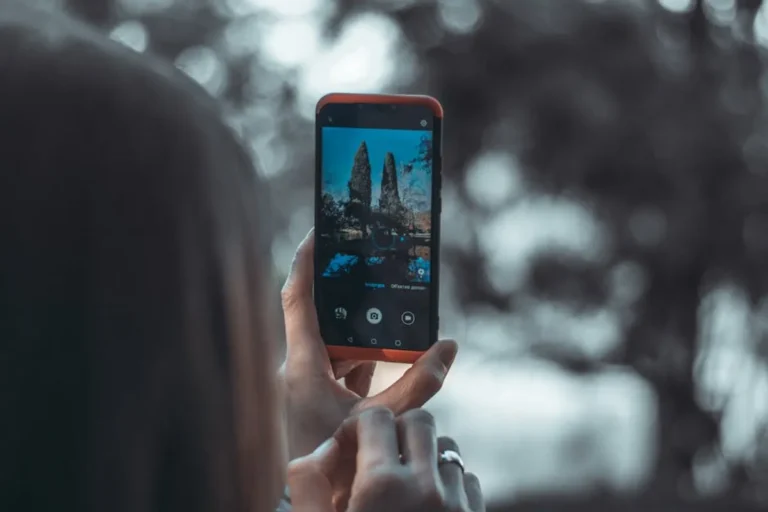
Photography, as a couple's hobby, involves exploring surroundings with a shared artistic intent. Partners can venture out to capture landscapes, urban scenes, or each other, discussing composition, lighting, and subject matter. This activity encourages close observation of the world, develops creative vision, and provides a means to document shared experiences. Reviewing and editing photos together further extends the collaborative aspect, allowing for shared critique and appreciation of their joint artistic output. It can range from casual smartphone snaps to more dedicated camera work.
Best for: Creatively inclined couples who enjoy visual arts, exploring new places, and documenting their experiences. It suits those looking for a hobby that combines artistic expression with shared observation.
Pros: Encourages creative expression and visual observation; provides a means to document shared memories and experiences; adaptable to various environments (indoor/outdoor, travel); fosters discussion about aesthetics and composition; can be started with existing smartphone cameras; offers continuous learning opportunities.
Cons: Can become an expensive hobby with advanced equipment; requires time for editing and organization; potential for differing artistic visions; learning curve for advanced techniques can be steep; dependent on suitable lighting and subjects.
Verdict: A visually rewarding hobby that fosters creative collaboration, sharpens observational skills, and creates a lasting visual archive of shared life moments.
9. Volunteering
Volunteering together allows couples to contribute to a cause they both care about, fostering a shared sense of purpose and community engagement. Whether it's serving at a soup kitchen, cleaning up a local park, or assisting at an animal shelter, this hobby provides opportunities to meet new people, learn about social issues, and make a tangible positive impact. It strengthens empathy, reinforces shared values, and offers a unique perspective on their community, creating a bond through altruistic action.
Best for: Socially conscious couples who seek to give back to their community, share altruistic values, and enjoy meeting new people. It suits those looking for a meaningful activity beyond personal entertainment.
Pros: Fosters a shared sense of purpose and altruism; strengthens community ties; provides opportunities to meet new people and learn new skills; enhances empathy and perspective; creates a positive impact on others or the environment; often flexible with time commitments.
Cons: Requires finding a suitable organization and cause; schedules can be irregular or demanding; some roles may be emotionally challenging; commitment is necessary for continuity; may not always provide immediate gratification.
Verdict: A deeply meaningful hobby that strengthens a couple's bond through shared altruism, community engagement, and a collective commitment to making a positive difference.
10. Cycling
Cycling offers couples an active and adventurous way to explore their local area or new destinations. Whether on road bikes, mountain bikes, or casual cruisers, it combines physical exercise with shared exploration. Partners can set joint fitness goals, discover scenic routes, and enjoy the camaraderie of a shared journey. It promotes physical health, provides a sense of freedom, and offers opportunities for conversation and mutual encouragement while navigating different terrains. It's an adaptable activity, from leisurely rides to more challenging treks.
Best for: Active couples who enjoy outdoor exercise, exploring new places, and setting physical goals together. It suits those looking for a hobby that combines fitness with shared adventure.
Pros: Promotes physical fitness and cardiovascular health; offers opportunities for shared exploration and discovery; adaptable to various fitness levels and terrains; provides a sense of freedom and adventure; can be social (joining group rides); relatively low environmental impact.
Cons: Initial investment in bicycles and safety gear can be significant; dependent on weather conditions; potential for accidents or injuries; requires maintenance of equipment; can be challenging to find suitable, safe routes in some areas.
Verdict: An invigorating outdoor hobby that combines physical fitness, shared exploration, and a sense of freedom through tandem or parallel journeys.
11. Reading Aloud
Reading aloud to each other transforms individual reading into a shared narrative experience. Couples can choose novels, short stories, poetry, or non-fiction, taking turns to read chapters or passages. This hobby enhances listening skills, fosters discussion about plot, characters, and themes, and creates a cozy, intimate atmosphere. It's a low-cost, accessible activity that encourages intellectual engagement and emotional connection through shared storytelling, building a literary world unique to the couple.
Best for: Couples who enjoy literature, seek quiet intimacy, and appreciate intellectual discussion. It's ideal for those looking for a low-cost, screen-free activity that fosters deep conversation and shared imagination.
Pros: Extremely low cost (library books); enhances listening skills and vocabulary; fosters deep discussion and intellectual connection; creates an intimate, cozy atmosphere; provides a screen-free alternative; adaptable to various genres and lengths of material.
Cons: Requires sustained attention and focus; pace of reading might differ between partners; can be challenging to find books that equally captivate both individuals; requires a quiet, comfortable environment; some partners may feel self-conscious about reading aloud.
Verdict: A deeply intimate and intellectually stimulating hobby that fosters connection through shared narratives, enhancing listening and conversational skills.
12. Coffee or Tea Tasting
Exploring the nuanced world of coffee or tea together offers couples a sensory journey that combines learning with pleasurable consumption. This hobby involves sourcing different beans or leaves, experimenting with brewing methods, and developing a shared vocabulary to describe flavors, aromas, and textures. It encourages mindful consumption, develops palates, and provides a structured way to discover new preferences. It's an accessible sensory experience that can be as simple as trying new varieties at home or visiting local cafes and specialty shops.
Best for: Couples who appreciate sensory experiences, enjoy culinary exploration, and are interested in developing their palates. It suits those looking for a relaxing, low-key hobby that can be enjoyed at home or out.
Pros: Develops sensory perception and palate; encourages mindful consumption and appreciation; adaptable to various budgets (from home brewing to cafe visits); fosters discussion about flavors and origins; offers continuous learning about different varieties and brewing techniques; provides a relaxing, enjoyable shared ritual.
Cons: Can become expensive with specialty beans/leaves or equipment; requires some initial learning about brewing methods; potential for caffeine sensitivity; availability of diverse options varies by location; preferences may diverge significantly between partners.
Verdict: A sensory-rich hobby that deepens appreciation for nuanced flavors, fosters mindful consumption, and provides a delightful ritual for shared discovery.
Choosing the Right Hobby for Your Couple
Selecting the ideal hobby involves more than just identifying an appealing activity; it requires a deliberate process of assessment and alignment. Begin by openly discussing individual interests and any past activities that brought joy or a sense of accomplishment. Identify areas where interests naturally overlap or where one partner is genuinely curious about the other's passion. Consider the practical constraints: what is the realistic budget for initial setup and ongoing expenses? How much time can consistently be allocated each week or month without feeling like a burden? Assess the required skill level and the willingness to learn together. A hobby that demands significant upfront mastery might be discouraging, whereas one with a gentle learning curve allows for gradual engagement. Finally, prioritize activities that allow for both shared activity and independent contribution. The most sustainable hobbies are those that offer flexibility, fostering connection without stifling individual expression, and providing a consistent source of low-pressure enjoyment and growth for both partners.
Frequently Asked Questions About Couple Hobbies
Q: How do we start a new hobby if we have different interests?
A: Begin by identifying a "third space" interest—an activity neither of you has extensively pursued, allowing you both to learn and grow together from a neutral starting point. Alternatively, take turns exploring each other's individual passions, dedicating specific time to participate in one partner's preferred activity before switching to the other's. This mutual respect and exploration can uncover unexpected shared enjoyment.
Q: What if we don't have much free time?
A: Prioritize hobbies that are flexible and can be enjoyed in short bursts. Activities like reading aloud, quick board games, or a short nature walk can be integrated into existing routines without requiring large, dedicated blocks of time. The key is consistency, even if for brief periods, rather than infrequent, lengthy sessions.
Q: How can we keep a hobby from becoming a chore?
A: Introduce novelty regularly. For cooking, try new cuisines or techniques. For games, rotate titles or introduce new rules. For outdoor activities, explore new routes or destinations. Also, ensure the hobby remains low-pressure; if it starts feeling like an obligation, take a break or discuss adjusting the approach to rekindle enthusiasm. The goal is enjoyment, not perfection.
Q: What's the benefit of a shared hobby beyond just spending time together?
A: Beyond mere presence, shared hobbies build a unique history of joint experiences and accomplishments. They provide common ground for conversation, foster teamwork and problem-solving skills, and offer a consistent source of positive interaction. This shared "third thing" strengthens emotional bonds, reduces stress, and creates a deeper sense of partnership and mutual understanding.
Q: Should we choose a hobby that's free or low-cost?
A: While many rewarding hobbies are free or low-cost (e.g., hiking, stargazing, library-based reading), the primary consideration should be genuine interest and accessibility. A modest investment in equipment or classes can sometimes unlock deeper engagement and enjoyment. The focus should be on value and sustained participation, not solely on the lowest possible expense.