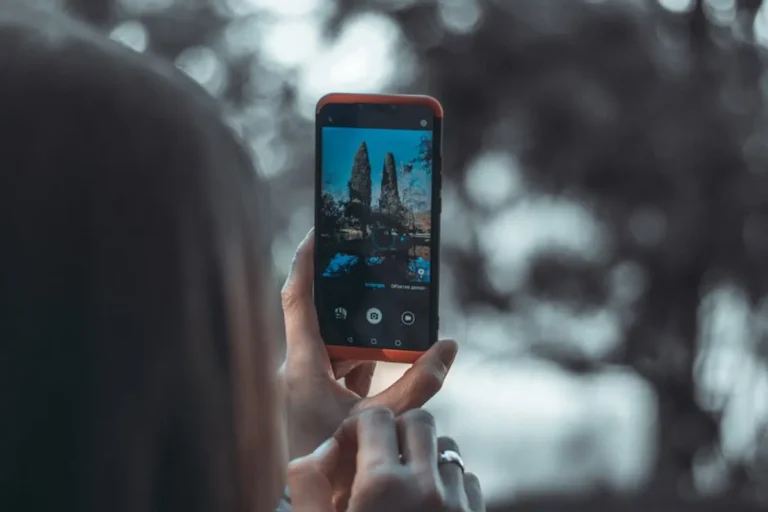
Selecting a fulfilling hobby for an introvert involves specific considerations beyond mere interest. The objective is often to find an activity that recharges energy rather than depleting it, offers a sense of accomplishment without external pressure, and provides a space for focused, solitary engagement or very low-stakes, minimal interaction. This guide details simple hobbies specifically suited to the intrinsic preferences of introverts, focusing on activities that foster personal growth, relaxation, and creative expression within a comfortable, self-directed framework. The emphasis is on accessibility, low social demand, and sustained engagement, ensuring that the chosen pursuit genuinely contributes to well-being.
How to Choose a Simple Hobby for Introverts
When evaluating potential hobbies, introverts benefit from a structured approach. Prioritize activities that align with your energy levels and personal boundaries. Consider these factors:
- Solitary Nature: Does the hobby primarily involve working alone, or can it be easily adapted to a solitary practice? Minimal external input is often key for introverted engagement.
- Low Barrier to Entry: Simple hobbies typically require minimal initial investment in terms of time, money, or complex equipment. This reduces pressure and encourages experimentation.
- Self-Paced Learning: The ability to learn and progress at one's own speed, without direct instruction or performance expectations, is crucial.
- Sensory Input: Activities that are not overly stimulating – avoiding loud noises, bright lights, or crowded environments – are often preferred.
- Tangible Outcome: For many, a hobby that produces a visible result, whether a finished object, a completed task, or a new skill, provides a strong sense of satisfaction and motivation.
- Flexibility: Can the hobby be picked up and put down easily, accommodating varying energy levels and schedules? Consistency should be a choice, not a demand.
- Personal Growth Potential: Does the hobby offer opportunities for skill development, cognitive challenge, or self-reflection, contributing to a deeper sense of purpose?
1. Reading
Reading offers a direct pathway into other worlds and ideas without requiring any social interaction. It is a deeply personal and self-paced activity that allows for profound engagement with narratives, information, or concepts. Whether fiction, non-fiction, poetry, or academic texts, reading provides intellectual stimulation and emotional resonance in a quiet, controlled environment. The act of reading itself is a form of deep focus, allowing introverts to fully immerse themselves and recharge.
Best For: Individuals seeking intellectual stimulation, escapism, or a quiet form of learning and reflection. It suits those who prefer minimal physical exertion and value imagination and knowledge acquisition.
Pros:
- Extremely low barrier to entry, often requiring only a book or e-reader.
- Highly flexible, adaptable to any time or place.
- Vast array of genres and topics ensures sustained interest.
- Enhances vocabulary, critical thinking, and empathy.
- Provides a reliable source of relaxation and stress reduction.
Cons:
- Can be a passive activity if not paired with reflection or discussion (though the latter defeats the "simple introvert hobby" aspect).
- Requires a quiet environment to fully engage, which may not always be available.
Verdict: Reading remains a foundational simple hobby for introverts, offering unparalleled access to knowledge and imaginative escape with minimal demands on social energy or resources. Its versatility ensures long-term appeal.
2. Journaling or Creative Writing
Journaling, whether for daily reflection or creative expression, provides a private outlet for thoughts, feelings, and observations. It requires no audience, no performance, and no external validation. Creative writing, such as poetry, short stories, or personal essays, extends this by allowing introverts to construct their own worlds and narratives. Both activities foster self-awareness, improve communication skills, and provide a structured way to process experiences, all within the quiet confines of one's own space.
Best For: Those who enjoy introspection, self-expression, and organizing their thoughts. It appeals to individuals who value clarity, narrative, and the act of creation through language.
Pros:
- Requires only a pen and paper or a digital device.
- Enhances self-reflection, emotional regulation, and problem-solving skills.
- Completely self-directed and private, eliminating performance anxiety.
- Can be done anywhere, anytime, with no external dependencies.
Cons:
- May initially feel challenging for those unaccustomed to sustained self-reflection.
- Lacks a tangible external product unless deliberately shared.
Verdict: This hobby offers a profound avenue for self-exploration and creative output, requiring minimal resources while delivering significant personal insight and a quiet sense of accomplishment.
3. Gardening (Indoor or Small Outdoor)
Gardening, particularly on a smaller scale like indoor plants, container gardens, or a modest backyard plot, offers a meditative connection to nature. It involves patient observation, nurturing, and a direct engagement with growth cycles. The work is largely solitary, process-oriented, and provides a tangible sense of achievement as plants thrive. It's a grounding activity that balances mental focus with gentle physical effort, without demanding social interaction.
Best For: Individuals who appreciate nature, find peace in routine care, and enjoy observing tangible results over time. It suits those with limited space who still desire a connection to the natural world.
Pros:
- Provides a calming, repetitive activity with visible, rewarding outcomes.
- Connects one with nature, even in urban environments.
- Improves focus and patience.
- Can be scaled to fit any living situation and budget.
- Offers a gentle form of physical activity.
Cons:
- Requires consistent care and attention; neglect leads to failure.
- Initial learning curve regarding plant needs and environmental factors.
- Can involve some initial investment in tools, soil, and plants.
Verdict: Gardening is a deeply satisfying hobby that fosters patience and provides a tranquil, productive escape, ideal for introverts who appreciate growth and tangible results without social demands.
4. Drawing, Painting, or Sketching
Visual arts like drawing, painting, or sketching provide a non-verbal means of expression and observation. This hobby allows for intense focus on detail, color, and form, channeling creative energy into a tangible output. It's a solitary pursuit where the process is as rewarding as the final piece. The act of creating visual art can be deeply meditative, offering a break from verbal processing and an opportunity to engage with the world through a different lens.
Best For: Individuals with a visual inclination, those seeking a creative outlet without words, and anyone who enjoys detailed, focused work. It suits those who appreciate aesthetics and personal interpretation.
Pros:
- Enhances observation skills, hand-eye coordination, and problem-solving.
- Provides a powerful outlet for self-expression and emotional processing.
- Offers a clear sense of progression and skill development.
- Can be started with minimal equipment (pencil and paper).
Cons:
- Can be frustrating initially due to a steep learning curve for advanced techniques.
- Requires some initial investment in quality materials for more advanced work.
- Space for setup and storage of materials might be a consideration.
Verdict: A highly engaging and self-directed creative hobby that offers significant personal satisfaction and skill development, perfect for introverts who thrive on visual expression and focused, quiet work.
5. Learning a New Language (Self-Study)
Self-studying a new language offers a structured intellectual challenge that can be pursued entirely independently. It involves problem-solving, pattern recognition, and memory work, all within a personal learning environment. Utilizing apps, online resources, textbooks, and media in the target language allows for flexible, self-paced progression. This hobby provides a clear sense of achievement as proficiency grows, opening up new cultural avenues without requiring immediate social interaction.
Best For: Intellectually curious individuals who enjoy structured learning, cognitive challenges, and cultural exploration. It suits those who are self-disciplined and motivated by long-term skill acquisition.
Pros:
- Stimulates cognitive function and improves memory.
- Opens doors to new cultures, literature, and media.
- Highly flexible, using apps, online courses, or textbooks.
- Provides a measurable sense of progress and accomplishment.
Cons:
- Requires significant long-term commitment and self-discipline.
- Progress can feel slow without consistent practice.
- Speaking practice, crucial for fluency, may eventually require some (minimal) interaction.
Verdict: A deeply rewarding intellectual pursuit that offers continuous learning and personal growth, ideal for introverts who thrive on structured challenges and independent study.
6. Baking or Cooking (Experimental)
Baking and cooking, approached as an experimental hobby rather than a chore, offers a blend of precision, creativity, and sensory satisfaction. Following recipes, experimenting with ingredients, and mastering techniques provides a clear, step-by-step process with a delicious, tangible outcome. It's a solitary activity that engages multiple senses and offers immediate gratification. The kitchen becomes a personal laboratory for culinary exploration, free from external judgment.
Best For: Individuals who enjoy following instructions, precise execution, and sensory rewards. It suits those who appreciate the process of creation and the satisfaction of producing something consumable and enjoyable.
Pros:
- Provides practical life skills and encourages healthy eating.
- Engages multiple senses and offers immediate, tangible results.
- Allows for creative experimentation with flavors and techniques.
- Can be done entirely alone and at one's own pace.
Cons:
- Can be messy and requires cleanup.
- Requires initial investment in ingredients and basic kitchen equipment.
- Some recipes can be time-consuming and complex, leading to frustration.
Verdict: A highly practical and enjoyable hobby that combines creativity with tangible, delicious results, offering a satisfying and sensory-rich experience for the solitary creator.
7. Puzzles (Jigsaw, Crosswords, Sudoku)
Engaging with puzzles like jigsaws, crosswords, or Sudoku offers a focused, low-pressure cognitive challenge. These activities demand concentration, pattern recognition, and logical deduction, providing a mental workout without social demands. Jigsaw puzzles offer a visual, tactile experience, while word and number puzzles hone linguistic and mathematical skills. They are inherently solitary and provide a clear objective, leading to a satisfying sense of completion.
Best For: Individuals who enjoy logical challenges, pattern recognition, and focused mental engagement. It suits those seeking a calming, structured activity that provides a clear sense of accomplishment.
Pros:
- Enhances problem-solving skills, memory, and concentration.
- Highly accessible and portable, requiring minimal equipment.
- Provides a calming, meditative effect through focused attention.
- Offers a clear sense of completion and success.
Cons:
- Can become repetitive over time without variety.
- Jigsaw puzzles require dedicated space for setup.
- Lacks a creative or skill-building component beyond problem-solving.
Verdict: Puzzles offer an accessible and engaging way to sharpen cognitive skills and find quiet satisfaction, serving as an excellent low-stress mental retreat for introverts.
8. Photography (Nature or Macro)
Photography, particularly focusing on nature, landscapes, or macro subjects, is an ideal solitary pursuit. It encourages keen observation of the environment, composition, and light, transforming everyday scenes into artistic expressions. The process of capturing, editing, and curating images is deeply personal and self-directed. It allows introverts to engage with the world creatively without needing to interact with people, fostering a unique perspective and appreciation for detail.
Best For: Visually oriented individuals who enjoy exploring their surroundings, appreciate aesthetics, and possess a keen eye for detail. It suits those who seek a creative outlet that combines technical skill with artistic vision.
Pros:
- Encourages exploration and appreciation of the natural world.
- Develops observation skills, technical understanding, and artistic composition.
- Offers a creative outlet with tangible, shareable results (optional).
- Can be done entirely alone and at one's own pace.
Cons:
- Initial investment in camera equipment can be significant (though smartphones can suffice for beginners).
- Learning editing software can have a steep learning curve.
- Can be weather-dependent for outdoor subjects.
Verdict: Photography provides a compelling blend of technical skill and artistic expression, allowing introverts to engage deeply with their environment and produce meaningful work in solitude.
9. Knitting, Crocheting, or Other Crafts
Crafts like knitting, crocheting, embroidery, or model building involve repetitive, focused hand movements that can be deeply meditative. These activities allow for the creation of functional or decorative items, providing a strong sense of accomplishment. They are largely solitary, self-paced, and offer continuous opportunities for learning new techniques and patterns. The tactile nature of working with materials and seeing a project come to life is inherently satisfying.
Best For: Individuals who enjoy working with their hands, appreciate tactile experiences, and find satisfaction in creating physical objects. It suits those seeking a calming, repetitive activity with a tangible end product.
Pros:
- Reduces stress and anxiety through repetitive motion and focus.
- Develops fine motor skills and patience.
- Produces useful or decorative items, offering a sense of pride.
- Highly portable and can be done almost anywhere.
Cons:
- Requires initial investment in materials and tools.
- Learning complex patterns can be challenging and require persistence.
- Can be time-consuming for larger projects.
Verdict: These crafts offer a tranquil and productive outlet for creative energy, providing introverts with a tangible sense of achievement through focused, solitary handiwork.
10. Meditation or Mindfulness Practices
Meditation and mindfulness are practices focused on internal awareness, observation of thoughts, and present-moment attention. These are inherently solitary activities that require no external materials, only dedicated time and space. They offer profound benefits for mental clarity, stress reduction, and emotional regulation. As a hobby, it's about consistent practice and deepening one's inner experience, providing a vital tool for introverts to manage energy and find inner calm.
Best For: Anyone seeking to improve mental well-being, reduce stress, and cultivate self-awareness. It suits those who are comfortable with introspection and value mental discipline over external outputs.
Pros:
- Improves mental clarity, focus, and emotional resilience.
- Requires no equipment and can be practiced anywhere.
- Provides a powerful tool for stress reduction and self-regulation.
- Deepens self-understanding and inner peace.
Cons:
- Can be challenging to start and maintain consistency without external guidance.
- Results are internal and not immediately tangible in the same way as physical hobbies.
- Requires discipline and patience to see long-term benefits.
Verdict: Meditation and mindfulness are essential, no-cost hobbies for introverts, offering a direct path to inner peace and mental strength through dedicated, solitary practice.
11. Learning an Instrument (Self-Taught)
Learning a musical instrument, particularly through self-instruction, offers a structured, creative, and deeply personal journey. Instruments like guitar, keyboard, or ukulele can be learned using online tutorials, books, and apps. This hobby requires discipline, patience, and focused practice, all of which are performed in solitude. The reward is the ability to create music, a powerful form of self-expression that transcends verbal communication and provides immense personal satisfaction.
Best For: Individuals with an appreciation for music, a desire for creative expression, and the discipline for consistent, self-directed practice. It suits those who find joy in mastering a complex skill over time.
Pros:
- Enhances cognitive function, coordination, and memory.
- Provides a profound outlet for emotional and creative expression.
- Offers a clear path for skill development and mastery.
- Can be deeply meditative and stress-reducing.
Cons:
- Requires an initial investment in an instrument, which can be significant.
- Learning curve can be steep and require considerable patience.
- Practice can be noisy, potentially affecting others in shared living spaces.
Verdict: A challenging yet profoundly rewarding hobby that offers a unique form of self-expression and intellectual engagement, ideal for introverts who value disciplined practice and the creation of beauty.
12. Birdwatching
Birdwatching is a quiet, observational hobby that connects individuals with the natural world without demanding social interaction. It involves patient observation, identification, and often, recording sightings. This activity encourages spending time outdoors in tranquil environments, fostering a sense of peace and connection. It requires focused attention and a keen eye, providing a gentle intellectual challenge through species identification and understanding avian behavior, all while maintaining a comfortable distance from human crowds.
Best For: Nature enthusiasts, those who enjoy quiet observation, and individuals seeking a low-impact outdoor activity. It suits those who appreciate biodiversity and find solace in natural settings.
Pros:
- Encourages spending time outdoors and connecting with nature.
- Develops observation skills, patience, and knowledge of local ecosystems.
- Can be done alone and at one's own pace, offering mental relaxation.
- Requires minimal equipment (binoculars and a field guide are helpful but not essential initially).
Cons:
- Can be weather-dependent.
- Requires quiet and stillness, which may not always be easy to achieve in certain areas.
- Initial learning curve for species identification can be challenging.
Verdict: Birdwatching offers a peaceful, engaging way to connect with nature and develop observational skills, making it an excellent, low-stress outdoor hobby for introverts.
Choosing Your Ideal Hobby
The selection of a simple hobby should be an iterative process. Begin by identifying activities that genuinely pique your curiosity and align with your intrinsic need for quiet, focused engagement. Consider starting with low-commitment options to test the waters without significant financial or time investment. For instance, borrow books from a library before purchasing a collection, or try a free online language lesson before enrolling in a full course. The goal is to find an activity that consistently recharges your energy, provides a sense of personal accomplishment, and allows for self-directed growth. Do not view initial struggles as failure; rather, see them as opportunities to refine your preferences or explore alternative approaches. The most suitable hobby is one that feels like a refuge, not another obligation, and consistently contributes to your overall well-being.
Frequently Asked Questions
Are hobbies for introverts always solitary?
While many introverts prefer solitary hobbies, the key is minimal social pressure and low-stakes interaction. Some hobbies might involve small, focused groups (e.g., a quiet book club, a small craft workshop), but the emphasis remains on the activity itself rather than extensive social engagement. The goal is to avoid situations that drain energy.
How can I start a new hobby with minimal commitment?
Begin with free or low-cost trials. Utilize public libraries for books and resources, explore free online tutorials for crafts or instruments, or use free versions of language learning apps. Purchase starter kits for crafts or small, inexpensive versions of equipment to gauge interest before committing to larger investments. The aim is to experiment without feeling locked in.
What if I get bored quickly with a