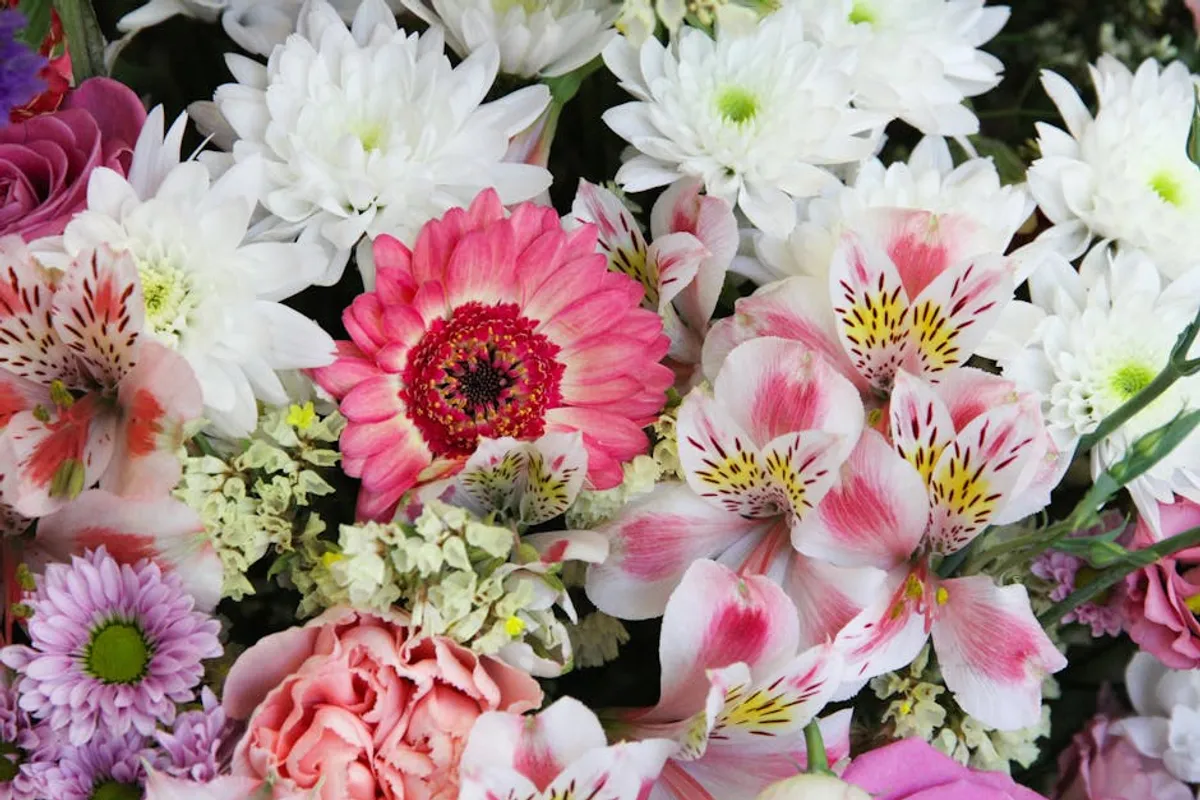
For introverts, navigating the complexities of social interaction often benefits from channels that prioritize depth and nuance over overt verbal exchange. Flower meanings offer a precise, non-verbal communication system, allowing individuals to convey intricate sentiments without the pressure of direct confrontation or extensive dialogue. This approach provides a structured method for expressing appreciation, setting boundaries, or offering comfort—all tailored to an introvert’s preference for thoughtful, deliberate interaction.
Understanding the Introvert's Communication Style
Introverts typically process information internally, preferring reflection before response. Their communication style often leans towards precision and depth, valuing authentic connection over broad social engagement. This preference makes direct, spontaneous verbal expression challenging or draining in certain contexts. Floral communication aligns with this style by providing a pre-meditated, symbolic medium. Instead of finding the exact words on the spot, an introvert can select a flower or arrangement whose established meaning precisely articulates their internal state or message, allowing the symbolism to carry the weight of their sentiment.
Core Principles of Floral Communication for Introverts
Effective floral communication for introverts hinges on intentionality and research. The goal is to select flowers not merely for their aesthetic appeal, but for their specific, universally recognized, or personally assigned meanings. This deliberate choice transforms a simple gift into a coded message, understood by those who appreciate the subtle language of flowers.
Researching Meanings
Reliable sources for floriography (the language of flowers) include historical texts, botanical encyclopedias, and cultural guides. Cross-referencing meanings is crucial, as some flowers carry regional or historical variations. Focus on meanings that resonate with your intended message and are widely accepted to ensure clarity.
Considering Context
The interpretation of a flower's meaning is heavily influenced by its context. Factors like the recipient’s relationship to you, the occasion, and local cultural norms can alter how a floral message is received. A single red rose universally signifies romantic love, but a bouquet of yellow roses can represent friendship or, in some cultures, jealousy. Understanding these nuances prevents miscommunication and strengthens the message.
The Introvert's Floral Meaning Checklist
This checklist provides specific floral options for common communication needs, offering a thoughtful alternative to verbal exchanges. Each suggestion is chosen for its clear, evocative meaning, suitable for an introvert's nuanced expression.
- For Subtle Appreciation: Conveying gratitude or admiration without grand gestures.
- Camellia (Pink): Signifies 'longing for you' or 'admiration.' Its delicate beauty speaks volumes without requiring overt declarations.
- White Tulip: Represents 'worthiness' and 'forgiveness.' An understated way to acknowledge someone's value or offer a quiet apology.
- Lavender: Symbolizes 'devotion,' 'serenity,' and 'calmness.' Ideal for thanking someone for their steady presence or support.
- For Gentle Boundary Setting: Communicating personal limits or a need for space.
- Thistle: Represents 'protection' and 'resilience.' A subtle, firm way to indicate a need for personal space or to guard one's energy.
- Amaryllis: Symbolizes 'pride' and 'determination.' Can convey a message of self-respect and the importance of personal convictions.
- Yellow Carnation: While often associated with 'disappointment' or 'rejection,' its specific use can communicate 'I wish I hadn’t' or a gentle 'no' when context is clear, requiring careful application.
- For Offering Quiet Support: Expressing empathy or solidarity without overwhelming the recipient.
- Forget-Me-Not: Signifies 'remembrance' and 'true love.' A poignant way to show you are thinking of someone during a difficult time.
- Heliotrope: Represents 'devotion' and 'eternal love.' Offers a deep, abiding sense of care and commitment.
- White Lily: Symbolizes 'purity,' 'sympathy,' and 'restored innocence.' A classic choice for conveying condolences and peaceful support.
- For Personal Reflection & Self-Expression: Using flowers as a personal anchor or statement.
- Violet: Represents 'modesty,' 'faithfulness,' and 'humility.' A flower for quiet self-affirmation or personal virtue.
- Water Lily: Symbolizes 'purity of heart,' 'enlightenment,' and 'rebirth.' Ideal for personal growth milestones or meditative spaces.
- Orchid: Signifies 'love,' 'beauty,' 'refinement,' and 'luxury.' Can represent an appreciation for one's own unique qualities and inner strength.
Pro Tip: When using flower meanings, consider the overall arrangement. A single, thoughtfully chosen stem often carries more weight and clarity for an introvert's message than a complex bouquet. Simplicity reduces cognitive load for both the sender and receiver, enhancing the message's impact.
Building Your Personal Floral Language
Beyond established meanings, introverts can cultivate a personal floral language. This involves assigning unique significance to certain flowers based on personal experiences, memories, or internal associations. Documenting these personal meanings in a journal allows for consistent, deeply resonant communication. This personalized vocabulary becomes a powerful tool for self-expression and for communicating with a select few who understand your unique floral lexicon. This process deepens the introvert's connection to nature and provides a consistent, reliable method for articulating complex emotions.
Navigating Interpretation and Misunderstandings
While floriography offers a rich communication avenue, it is not without potential for misinterpretation. To mitigate this, consider the recipient's familiarity with flower meanings. For those less versed, a subtle, accompanying note clarifying your intent can be helpful without negating the symbolic gesture. In situations where ambiguity is acceptable or even desired, allowing the flower's meaning to be open to interpretation can add a layer of poetic depth. The key is to be mindful of the potential for varied interpretations and to adjust your approach accordingly, balancing symbolic expression with communicative clarity.
Refining Your Floral Communication
To master floral communication, start small. Choose one or two flowers with meanings directly relevant to a specific message you wish to convey. Observe the recipient's reaction, if any, and mentally note the effectiveness of your chosen symbolism. Maintain a personal journal detailing your floral choices, the intended message, and the perceived outcome. This iterative process allows you to refine your understanding of floriography and adapt it to various social contexts. Over time, you will develop a nuanced proficiency in this subtle yet powerful form of expression, making it a reliable extension of your communication toolkit.
Frequently Asked Questions
How do I know if the recipient understands flower meanings?
You don't always need to know. The act of thoughtful selection itself conveys care. For critical messages, a brief, discreet note can clarify your intent, or you can choose more universally recognized symbols like a red rose for love or a white lily for sympathy.
Is it okay to mix different flowers in an arrangement?
Yes, mixing flowers can create a more complex message, but ensure each flower's meaning contributes to the overall sentiment. Too many conflicting meanings can lead to confusion. Focus on complementary meanings for clear communication.
What if a flower has multiple meanings?
When a flower has several meanings, consider the dominant or most widely accepted interpretation in your cultural context. The specific color of the flower can also narrow down its meaning. Use context and color to guide your selection.
Can I use flower meanings for self-care or personal reflection?
Absolutely. Choosing flowers with meanings that resonate with your personal goals or current emotional state can be a powerful form of self-expression and a visual anchor for personal reflection or mindfulness practices.