Mexican beer represents a significant and often underestimated segment within the global beverage market. For businesses, understanding its nuances—from brand perception and consumer demand to distribution and pricing—is crucial for effective menu planning, inventory management, and marketing. This guide explores the commercial landscape of Mexican beer, offering insights into its categories, strategic selection, and profitability considerations for various commercial settings.
Understanding the Mexican Beer Landscape
The Mexican beer market is characterized by a blend of globally recognized brands and a growing craft movement. The dominant players, primarily Grupo Modelo and Cervecería Cuauhtémoc Moctezuma, control the majority of production and distribution, shaping consumer expectations and market trends. These conglomerates offer a range of lagers that cater to broad tastes, establishing a foundation upon which more specialized offerings can be built.
Core Categories and Their Market Appeal
Mexican beers largely fall into a few key categories, each with distinct commercial appeal:
- Light Lagers: These are the most prevalent, known for their crisp, refreshing, and often mild profiles. Brands in this category benefit from widespread recognition and are typically high-volume sellers, appealing to a broad demographic seeking an accessible, sessionable drink. Their light body makes them versatile for various food pairings and casual consumption.
- Dark Lagers (Vienna-style and Munich Dunkel): Offering richer, maltier, and sometimes sweeter notes, these beers cater to consumers seeking more depth and complexity without the intensity of stouts or porters. They often carry a perception of heritage and craftsmanship, attracting those who appreciate a more robust flavor profile.
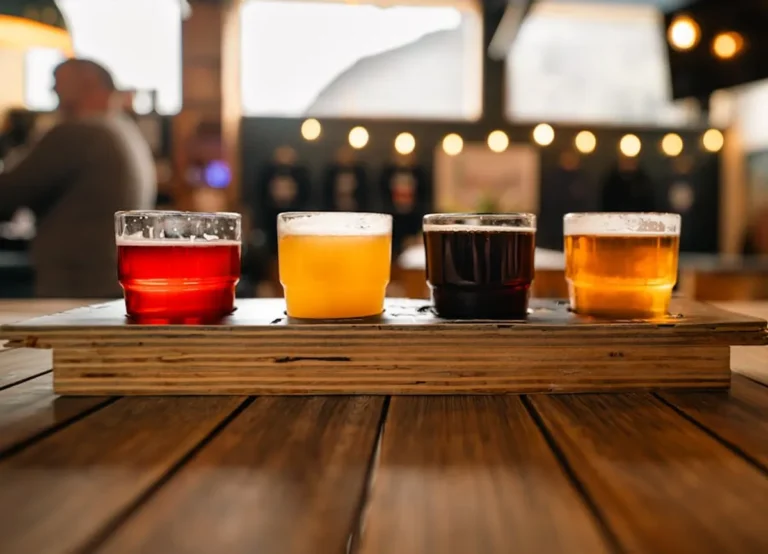
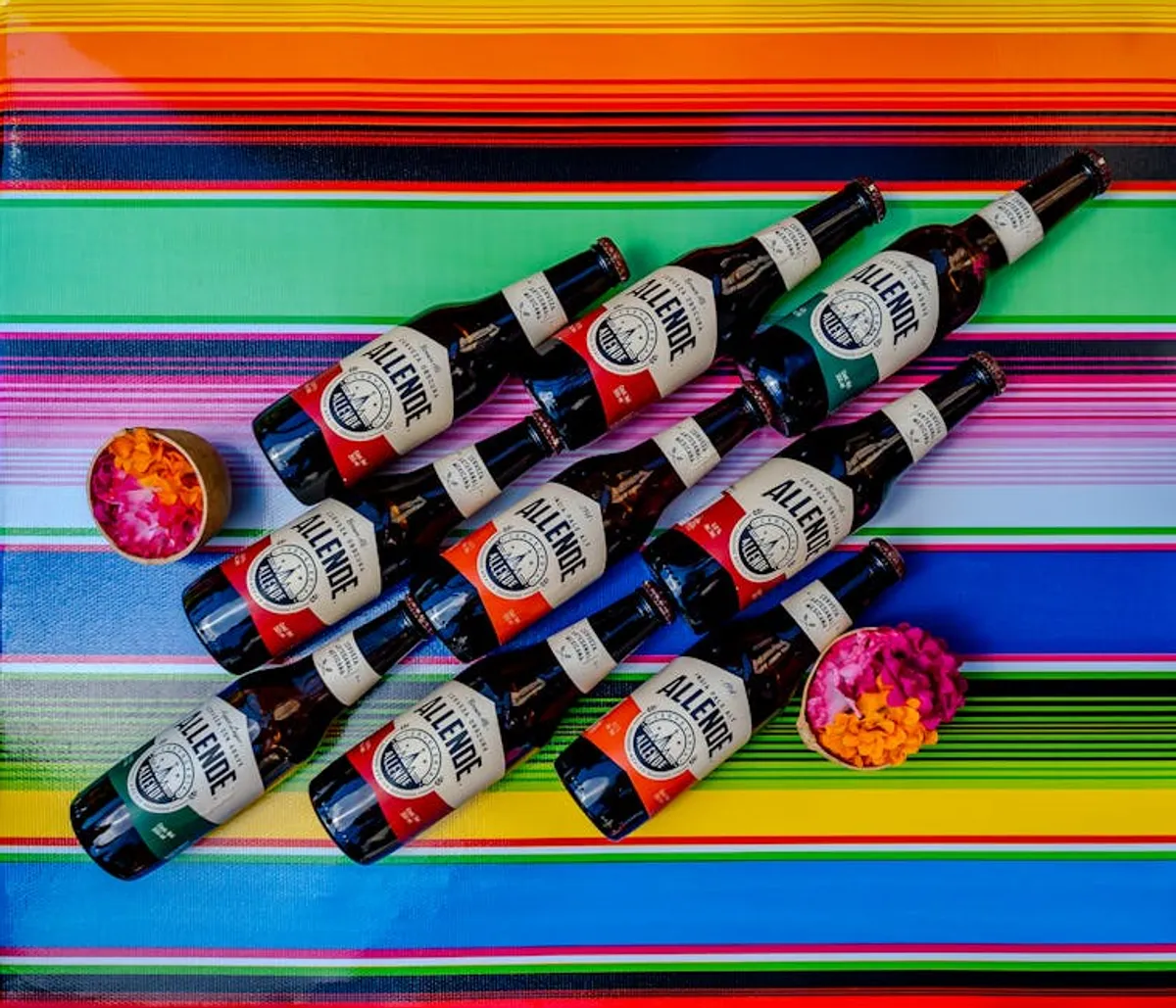
- Craft and Specialty Brews: While smaller in market share, the craft beer scene in Mexico is expanding, introducing diverse styles like IPAs, stouts, and experimental brews. These offerings appeal to a niche market of discerning consumers willing to pay a premium for unique flavors, local provenance, and innovative brewing techniques. Including these can differentiate an establishment's offering and attract specific customer segments.
Integrating Mexican Beers into Your Menu Strategy
Strategic menu integration goes beyond simply listing available brands. It involves considering consumer preferences, culinary pairings, and presentation to maximize appeal and profitability.
Pairing Considerations for Culinary Offerings
Matching Mexican beers with food enhances the dining experience and can drive sales. Light lagers, with their clean finish and carbonation, effectively cut through the richness of fried foods, balance spicy dishes, and complement lighter fare like seafood tacos or ceviche. Dark lagers, with their malty sweetness and often lower bitterness, pair well with heartier dishes such as mole, grilled meats, and robust stews, providing a counterpoint to savory flavors. For craft options, specific pairings depend on the style; an IPA might enhance spicy dishes, while a stout could complement chocolate desserts or smoked meats.
Crafting a Diverse Selection for Varied Palates
A well-rounded menu should balance established, high-demand brands with options that offer variety and cater to different preferences. This means including at least one or two widely recognized light lagers, a popular dark lager, and potentially a rotating craft selection to introduce novelty. Consider offering different sizes (e.g., bottles, cans, draft) to accommodate various consumption patterns and price points.
Pro Tip: When curating a Mexican beer selection, consider the regionality of your culinary offerings. Pairing a beer from a specific Mexican state with dishes from that same region can create an authentic and compelling narrative for customers, enhancing the perceived value and experience.
Pricing Structures and Profitability
Effective pricing for Mexican beers involves understanding wholesale costs, market demand, and the perceived value of each brand. This directly impacts profit margins and competitive positioning.
Wholesale Cost Factors and Distribution Channels
Wholesale costs for Mexican beers vary based on brand popularity, volume, and distribution agreements. Established brands often have efficient, large-scale distribution networks, which can lead to more predictable pricing and availability. Smaller craft breweries may have higher per-unit costs due to smaller production runs and less extensive distribution, requiring careful consideration of markup to maintain profitability. Negotiating volume discounts and establishing reliable supplier relationships are critical for cost management.
Retail Pricing Strategies for Different Venues
Retail pricing should reflect the venue type, target demographic, and competitive landscape. For high-volume establishments, slightly lower markups on popular lagers can drive sales and overall revenue. Premium pricing can be applied to specialty or craft selections, reflecting their unique qualities, limited availability, and higher perceived value. Bundle deals (e.g., beer and taco specials) can also stimulate sales and encourage experimentation.
Value Proposition and Perceived Quality
The perceived value of Mexican beer is influenced by brand recognition, marketing, and the overall customer experience. Brands like Corona or Modelo Especial benefit from strong brand equity, allowing for consistent pricing. Craft beers, while less known, can command higher prices due to their artisanal appeal and unique flavor profiles. Emphasizing the quality of ingredients, brewing process, or cultural authenticity can justify higher price points and enhance the customer's perception of value.
Strategic Selection: Key Mexican Beers for Commercial Offerings
Choosing which Mexican beers to stock requires a balance of market demand, brand recognition, and a desire to offer variety. Here are examples of categories and specific brands that typically perform well commercially, along with their strategic value:
The Ubiquitous Light Lagers
These are the workhorses of any Mexican beer selection, guaranteeing consistent sales due to their widespread popularity and approachable profiles.
- Corona Extra: Market leader, iconic clear bottle, and lime ritual. Commercial Value: High brand recognition, mass appeal, strong association with relaxation and summer. Essential for broad customer base.
- Modelo Especial: Gaining significant market share, known for its crisp, slightly richer flavor than Corona. Commercial Value: Appeals to those seeking a step up from lighter lagers while retaining accessibility. Strong growth trajectory.
- Pacifico Clara: Originating from Mazatlán, often associated with beach culture. Commercial Value: Strong regional identity, provides a slightly different flavor profile within the light lager category, popular among specific demographics.
Richer Dark Lagers
These selections cater to consumers desiring more body and flavor, offering a contrast to the lighter options.
- Negra Modelo: A Munich Dunkel-style lager, known for its smooth, malty, and slightly sweet flavor with hints of caramel and roasted coffee. Commercial Value: Offers a premium dark lager experience, appeals to those seeking complexity and a traditional European-style lager.
- Victoria: Mexico's oldest beer brand, a Vienna-style lager with a balanced, slightly malty, and clean finish. Commercial Value: Strong historical appeal, provides a traditional, accessible dark lager option that pairs well with a variety of foods.
Emerging Craft and Specialty Options
While specific brands will vary by region and availability, incorporating a few craft options can elevate your offering.
- Strategic Approach: Focus on well-regarded Mexican craft breweries that distribute reliably in your area. Look for styles that offer differentiation, such as a Mexican IPA (often with local fruit or chili notes), a robust stout, or a unique seasonal brew. Commercial Value: Attracts craft beer enthusiasts, allows for higher price points, and positions your establishment as knowledgeable about emerging trends. Regular rotation keeps the offering fresh and engaging.
Optimizing Your Mexican Beer Offering
To maximize the commercial potential of your Mexican beer selection, regularly assess sales data to identify best-sellers and slow movers. Solicit customer feedback to gauge satisfaction and preferences. Stay informed about new product releases and market trends to keep your offering dynamic and relevant. Training staff on the characteristics and pairing suggestions for each beer can significantly enhance the customer experience and drive informed purchasing decisions.
Frequently Asked Questions
What are the primary flavor profiles of Mexican lagers?
Most Mexican lagers, particularly the popular light varieties, are characterized by a crisp, clean, and refreshing taste with minimal bitterness. Darker lagers offer richer malt notes, often with hints of caramel, nuts, or roasted coffee, providing a smoother, sometimes sweeter, profile.
How does brand recognition impact sales of Mexican beer?
Brand recognition is a significant driver of sales for Mexican beers, especially for globally established names like Corona and Modelo. Consumers often choose these brands due to familiarity, consistent quality, and effective marketing, making them reliable high-volume sellers in most commercial settings.
Are Mexican craft beers a worthwhile addition to a commercial menu?
Yes, Mexican craft beers can be a worthwhile addition. While they may not achieve the same volume as mainstream lagers, they attract a discerning customer base willing to pay a premium for unique flavors and artisanal quality. They also help differentiate your establishment and demonstrate a commitment to diverse, quality offerings.
What factors influence the shelf life of Mexican beer?
The shelf life of Mexican beer is primarily influenced by its style, packaging, and storage conditions. Most pasteurized lagers in bottles or cans have a shelf life of 6-9 months when stored in a cool, dark place. Craft beers, especially those that are unpasteurized or contain higher hop levels, may have a shorter optimal consumption window and are more susceptible to light and temperature fluctuations.