Travel transcends mere sightseeing; it offers profound opportunities for personal growth and skill development. For many, however, trips often devolve into a series of hurried photo opportunities and pre-booked tours. Integrating a simple hobby into travel plans transforms passive observation into active engagement, fostering deeper connections with destinations and creating more meaningful memories. This approach not only enriches the traveler's experience but also provides unique avenues for content creation and personal reflection. The key lies in selecting activities that are portable, low-commitment, and adaptable to varied environments.
The Distinct Advantage of Travel-Centric Hobbies
Engaging a hobby while traveling shifts the focus from simply consuming experiences to actively creating them. This fundamental change offers several distinct advantages. First, it encourages a slower pace, allowing for more nuanced observations of local culture, architecture, and daily life. Instead of rushing through a museum, a traveler might spend an hour sketching a single exhibit, noticing details others overlook. Second, hobbies provide a constructive outlet for downtime—whether during long layovers, rainy afternoons, or quiet evenings in a new city. This mitigates potential boredom or the urge to default to screen time, fostering a more present mindset. Finally, a travel hobby often results in a tangible output—a journal, a photo series, a collected recipe—that serves as a more personal and enduring memento than a mass-produced souvenir, offering a richer narrative upon return.
Defining "Simple" for the Roaming Enthusiast
A "simple" travel hobby is characterized by its minimal demands on resources, time, and specialized equipment. For the purpose of this checklist, "simple" implies:
- Portability: Requires little to no bulky gear, fitting easily into carry-on luggage.
- Low Barrier to Entry: Does not demand extensive prior training or advanced skills.
- Adaptability: Can be practiced in diverse settings, from bustling city squares to quiet natural landscapes, and often indoors or outdoors.
- Budget-Friendly: Involves minimal ongoing costs, often utilizing existing resources or inexpensive supplies.
- Flexible Time Commitment: Can be picked up and put down easily, accommodating variable travel schedules without pressure.
These criteria ensure that the hobby enhances, rather than complicates, the travel experience, allowing for spontaneous engagement without logistical burdens.
Simple Hobbies Checklist for Travel Lovers
Mobile Photography & Visual Storytelling
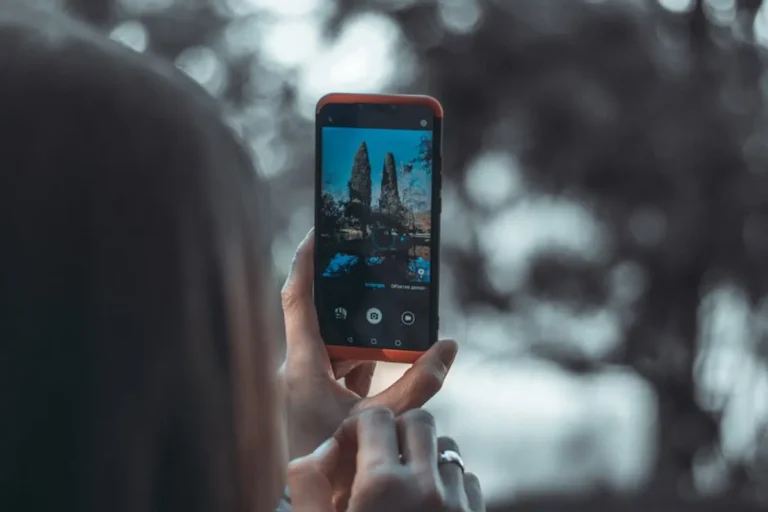
Beyond casual snapshots, deliberate mobile photography involves composing shots, understanding light, and seeking unique perspectives. Modern smartphones offer advanced camera capabilities, making them an ideal, lightweight tool. This hobby encourages careful observation of details, from street art to local flora, and provides a visual diary of the journey. Best for: Capturing nuanced memories and developing an eye for composition without the bulk of professional gear.
Travel Journaling & Sketching
A small notebook and a pen or pencil are the only essentials. Journaling can range from detailed written accounts of daily experiences to quick bullet points of observations and feelings. Sketching, even rudimentary stick figures or abstract patterns, engages a different part of the brain, forcing closer attention to subjects. This practice solidifies memories and offers a personal narrative distinct from photographs. Best for: Deepening reflection, recording sensory details, and creating a unique, tangible record of a trip.
Language Learning & Phrase Practice
Utilize free apps or a small phrasebook to learn basic greetings, common phrases, and cultural etiquette. Engaging with locals, even through simple interactions, enriches the travel experience significantly. This hobby requires only a smartphone or a pocket-sized book and can be practiced during commutes, while waiting for meals, or in direct conversation. Best for: Enhancing cultural immersion and facilitating genuine local interactions.
Local Culinary Exploration & Simple Recipe Collection
This goes beyond eating out. It involves visiting local markets, observing ingredients, and asking about traditional cooking methods. Try to learn one simple, local recipe that can be replicated with minimal equipment, or simply document the ingredients and preparation steps. This hobby connects travelers directly to the heart of local culture through food. Best for: Experiencing culture through taste and bringing home practical, edible souvenirs.
Pro Tip: Avoid the trap of over-scheduling your hobby. The essence of a simple travel hobby is its flexibility. Dedicate short, spontaneous bursts of time—15 to 30 minutes—rather than rigid blocks. This prevents the hobby from feeling like another item on a demanding itinerary and allows for genuine enjoyment and discovery.
Urban & Nature Walking/Hiking
This is more than just getting from point A to point B. Deliberate walking or hiking involves paying attention to the environment—identifying local plants, observing architecture, or simply noticing the rhythm of a city. It requires no special equipment beyond comfortable shoes and offers a free, accessible way to explore and maintain physical activity. Best for: Active exploration, physical well-being, and discovering hidden gems off the main tourist paths.
Reading Local Literature or Travelogues
Carry a lightweight e-reader or a physical book by a local author or about the region you are visiting. Reading provides context, enriches understanding of the culture, and offers a quiet, contemplative activity for downtime. It connects the traveler intellectually to their surroundings. Best for: Intellectual engagement, cultural understanding, and productive relaxation.
Postcard & Letter Writing
In an age of instant digital communication, sending a physical postcard or letter offers a unique, tangible connection. This hobby involves selecting cards, writing brief messages, and finding local post offices, providing small interactions with local services. The act of choosing and writing fosters reflection on the day's experiences. Best for: Creating meaningful connections with loved ones and engaging with local postal systems.
Integrating Hobbies into Your Travel Itinerary
Successfully weaving a hobby into your travel plans requires intentionality without rigidity. Start by identifying specific moments in your itinerary where a chosen hobby naturally fits. For example, use long train rides for journaling or language practice. Dedicate the first hour of each morning to a quiet walk with your camera phone, or spend an afternoon exploring a local market for culinary inspiration. Packing smart is crucial; ensure your hobby essentials (notebook, pen, compact camera, e-reader) are easily accessible. Most importantly, embrace flexibility. If an unexpected opportunity arises, be prepared to set your hobby aside temporarily. The goal is enrichment, not obligation. These simple hobbies are designed to be complementary, enhancing your journey without becoming a source of stress.
Frequently Asked Questions
How do I choose the right hobby for my trip?
Consider your destination, interests, and typical travel style. If you prefer active exploration, walking or mobile photography might suit. For reflective travelers, journaling or reading local literature could be ideal. Match the hobby's demands with your available time and packing capacity for a seamless fit.
Can these hobbies save money while traveling?
Many simple travel hobbies are inherently low-cost or free. Walking, sketching, and language practice require minimal investment. By providing engaging alternatives to expensive tours or souvenir shopping, these hobbies can indirectly contribute to budget management, redirecting funds towards more meaningful experiences or necessities.
What if I'm not "creative" or "artistic"?
The beauty of simple travel hobbies lies in their accessibility. Journaling doesn't require literary genius; sketching doesn't demand artistic skill. The value comes from the act of engagement and observation, not the production of a masterpiece. Focus on the process and personal enjoyment rather than the outcome.
How much time should I dedicate to a travel hobby?
Start with small, manageable increments, such as 15-30 minutes daily or every other day. The goal is consistent, low-pressure engagement. Allow the hobby to flow naturally with your travel schedule, picking it up during downtime or when inspiration strikes, rather than adhering to a strict timetable.