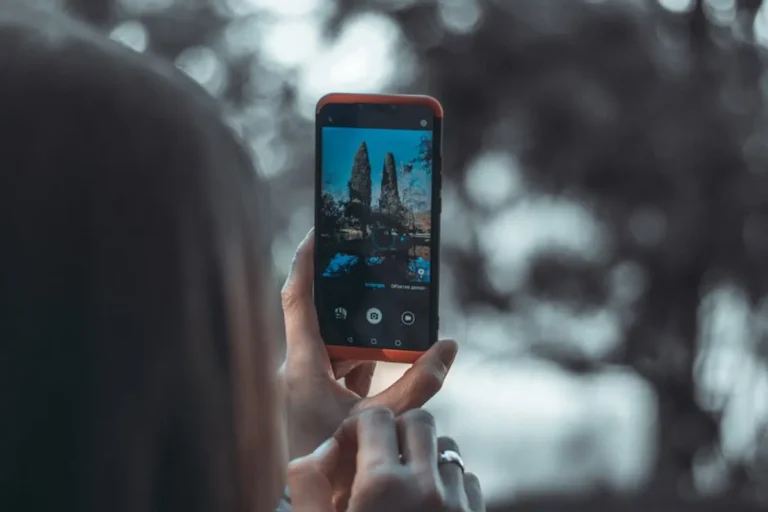
The current surge in popularity for simple hobbies is not merely a cultural quirk; it represents a significant, measurable shift in consumer behavior with direct implications for content publishers, product developers, and digital strategists. Understanding this trend means recognizing a collective re-evaluation of time, value, and personal fulfillment. For businesses, this translates into new avenues for audience engagement, niche market identification, and the development of resonant content strategies. This article unpacks the underlying drivers of this trend and outlines concrete ways to leverage it commercially.
Understanding the Shift: Why Simplicity Resonates
The pivot towards simple hobbies stems from several interconnected societal and psychological factors, each presenting a distinct lens through which to view evolving consumer needs:
- Digital Fatigue and Screen Overload: Extended periods of remote work, online education, and social media consumption have led to a widespread desire for analog, screen-free activities. Consumers actively seek ways to disengage from digital interfaces and engage with the physical world.
- Prioritization of Mental Well-being: The global landscape has amplified stress and anxiety. Simple hobbies, often repetitive and focused, offer a form of active meditation, reducing cognitive load and fostering a sense of calm and accomplishment. This aligns with a broader consumer focus on self-care and mental health.
- Economic Prudence and Accessibility: Many simple hobbies require minimal initial investment or ongoing cost, making them financially accessible. This appeals to consumers navigating economic uncertainties or those simply seeking value-driven leisure.
- Desire for Tangible Results and Mastery: In an increasingly abstract digital world, the satisfaction of creating something physical—a knitted scarf, a home-baked loaf, a drawn sketch—provides a powerful sense of achievement and competence that digital interactions often lack.
- Community and Connection: While often solitary in practice, many simple hobbies foster vibrant online and offline communities, offering opportunities for shared learning, peer support, and social interaction that counters feelings of isolation.
Defining the Appeal: Characteristics of Trending Hobbies
The hobbies gaining traction share common attributes that contribute to their broad appeal:
Low Barrier to Entry: They typically require minimal specialized equipment, space, or prior skill. This reduces the intimidation factor for beginners.
Tactile and Sensory Engagement: Activities like knitting, gardening, or baking involve touch, smell, and sight, offering a rich sensory experience that contrasts with passive screen consumption.
Process-Oriented Fulfillment: The joy often comes from the act of doing, rather than solely the finished product. This encourages mindfulness and reduces performance pressure.
Scalability and Personalization: Simple hobbies can be adapted to various skill levels and interests, allowing for personalization and continuous learning without becoming overly complex.
Unlocking Commercial Value: Content and Product Opportunities
For businesses, the trend towards simple hobbies opens distinct commercial avenues across content creation, product development, and digital strategy.
For Content Publishers and Media
Publishers can capitalize on the demand for practical, inspiring, and community-focused content. This includes:
- How-to Guides and Beginner Tutorials: Step-by-step instructions for basic techniques (e.g., "First 5 Knitting Stitches," "Starting a Container Garden").
- Supply and Tool Reviews: Unbiased assessments of entry-level and intermediate products (e.g., "Best Ergonomic Crochet Hooks for Beginners," "Essential Seeds for a Small Herb Garden").
- Inspiration and Project Ideas: Curated collections of achievable projects, seasonal themes, or creative variations (e.g., "10 Weekend Baking Projects," "DIY Journaling Prompts for Stress Relief").
- Community Spotlights and Interviews: Featuring hobbyists, local groups, or small businesses thriving in these niches, fostering a sense of belonging.
- Well-being and Mindfulness Integration: Content exploring the mental health benefits of specific hobbies, linking engagement to stress reduction or focus improvement.
For Product Developers and Retailers
This trend drives demand for accessible, high-quality, and aesthetically pleasing products that support hobby engagement:
Best for: Curated starter kits that bundle essential supplies for a specific hobby (e.g., a "Beginner Baker's Set" with basic tools and a recipe book, a "First Stitch Knitting Kit").
Sustainable and Ethical Sourcing: An audience often drawn to simple living also values eco-friendly and ethically produced materials (e.g., organic yarns, sustainably harvested wood tools).
Subscription Boxes: Monthly or quarterly deliveries of new materials, patterns, or project components to maintain engagement and introduce novelty.
Digital Products: E-books, downloadable patterns, online courses, and instructional videos that complement physical products.
For SEO and Digital Strategists
Targeting simple hobby niches requires a nuanced approach to keyword research and content optimization:
Long-Tail Keyword Opportunities: Focus on highly specific, intent-driven queries (e.g., "easy sourdough starter recipe no-knead," "beginner watercolor techniques flowers," "yarn for chunky blanket crochet").
Topical Authority Building: Develop comprehensive content hubs around specific hobbies, covering all facets from beginner guides to advanced techniques and community aspects. This signals expertise to search engines.
Visual Search Optimization: Hobbies are highly visual. Optimize images and videos with descriptive alt text, captions, and relevant tags to capture traffic from platforms like Pinterest and Google Images.
Local SEO: For physical retailers or workshop providers, optimize for local searches (e.g., "knitting classes near me," "garden supply store [city name]").
Pro Tip: Authenticity is paramount when engaging with simple hobby communities. Avoid overly commercial or inauthentic content that prioritizes sales over genuine interest. Audiences in these niches are often passionate and discerning; genuine enthusiasm for the hobby itself will build trust and foster long-term engagement more effectively than direct sales pitches.
Strategic Content Development
The enduring nature of the simple hobbies trend suggests that content strategies should prioritize evergreen value. Instead of chasing fleeting fads, focus on foundational knowledge, timeless techniques, and community-building elements that retain relevance over time. Develop content series that progress with a user's skill level, from absolute beginner to more advanced projects. Integrate user-generated content and testimonials to showcase real-world application and foster a sense of shared experience. By aligning content with the intrinsic motivations behind these hobbies—well-being, achievement, connection—businesses can cultivate loyal audiences and drive sustainable commercial growth.
Frequently Asked Questions
What defines a "simple hobby" in the current trend?
A simple hobby is characterized by its low barrier to entry, minimal cost, and emphasis on tangible, often analog, engagement. It typically provides a sense of accomplishment and aids mental well-being, contrasting with complex, high-investment, or purely digital activities.
How can businesses identify emerging simple hobby trends?
Monitoring social media discussions, niche online forums, and search query data for upticks in specific craft or skill-based terms can reveal emerging trends. Observing shifts in consumer product purchases in categories like craft supplies, gardening tools, or baking ingredients also provides early indicators.
What are the SEO benefits of targeting simple hobby niches?
Targeting these niches allows for the development of highly specific, long-tail keyword strategies, building topical authority around less saturated terms. This can lead to higher organic search visibility, attracting engaged audiences with clear informational or transactional intent, and fostering strong community engagement.
Is the rise of simple hobbies a fleeting trend or a lasting behavioral shift?
Given the underlying drivers—digital fatigue, increased focus on mental well-being, and economic considerations—the shift towards simple hobbies appears to be a lasting behavioral change rather than a temporary fad. It reflects a fundamental re-evaluation of how individuals choose to spend their leisure time and invest in personal fulfillment.